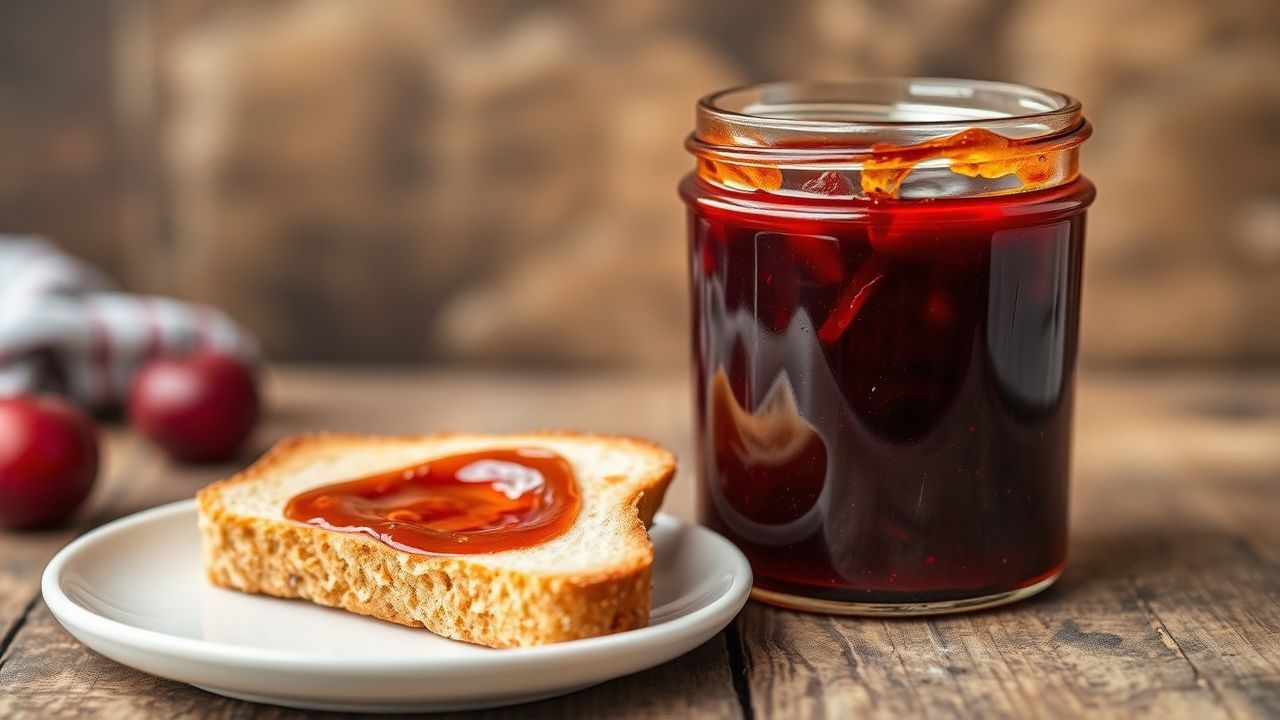

There is something undeniably magical about the jewel-like hue of freshly made jam; bright color often signals vitality and fresh flavor. Yet jars frequently deepen to a brown tone over time, and many home cooks ask whether color change means spoilage or just chemistry at work.
- Jam browning usually stems from oxidation and heat-driven reactions, not contamination.
- Acidity, enzymes, sugar type, and storage all alter pigment stability and flavor.
- Simple steps—proper acid balance, prompt sealing, and cool storage—preserve color and taste.
- Reheating with acid can sometimes restore brightness in mildly browned jars.
The Science Behind Jam Browning and What It Means for Quality
Browning arises from several chemical pathways that operate during cooking and storage. First, fruit enzymes and oxygen create one track of change, while heat and sugars create another.
Specifically, enzymatic oxidation affects phenolic compounds and pigments, while thermal reactions alter sugars and amino acids. Both processes shift color and adjust flavor over time.
Enzymatic Browning: Enzymes, Oxygen, and Pigments
When fruit cells break, enzymes such as polyphenol oxidase contact phenolic substrates and oxygen, producing brown pigments. Therefore, mechanical damage and delayed cooking increase enzymatic activity before enzymes denature.
Moreover, fruits high in anthocyanin pigments can show color shifts as anthocyanins interact with pH and metal ions. For more on the pigments, see anthocyanin chemistry.
Non-Enzymatic Browning: Heat, Sugar, and the Maillard Pathway
Heat alters sugars and amino acids through the Maillard reaction, creating deeper hues and toasty notes. Consequently, prolonged or high-temperature cooking can darken jam while adding caramelized flavor.
Additionally, caramelization of sugars independently darkens preserves when sugar molecules break down under high heat. Thus, both intentional and accidental overcooking affect final color and aroma.
Acidity, Metals, and Pigment Stability
Acid level strongly governs pigment tone. Lowering pH with lemon juice stabilizes anthocyanins in many fruits, preserving brighter reds and purples. Conversely, neutral or alkaline conditions let pigments shift toward brown.
Also, trace metals like iron or copper catalyze pigment degradation. Using non-reactive utensils and avoiding contact with cast iron or copper minimizes unwanted color change.
Common Ingredients That Trigger Color Changes in Your Jam
Certain fruits, sugar types, and additives predispose jam to faster browning. For example, berries with delicate anthocyanins show fast shifts, while stone fruits behave differently.
Dark sugars and syrups add baked, caramel tones from the start, while commercial pectins and preservatives can affect both texture and color stability.
Fruit Choice and Condition
Choose ripe but firm fruit to minimize bruising and enzyme release. Overripe or damaged fruit increases polyphenol oxidase exposure and accelerates browning during initial processing.
Furthermore, variety matters: some cultivars of cherries or plums retain color better than others. Consult cultivar notes when you plan large batches.
Sugars and Sweeteners
White granulated sugar tends to preserve clear color compared with brown sugar or molasses, which impart darker base tones. Therefore, swap brown sweeteners out when color matters.
Also, sugar concentration affects water activity and texture; adjusting sugar can change how heat drives color reactions during cooking.
Pectin and Preservatives
Pectin itself does not directly cause browning, but added commercial pectin can alter cooking time and temperature needs. Thus, follow pectin instructions precisely to avoid overcooking.
Meanwhile, citric acid stabilizes pigments by lowering pH, so a small addition often improves color retention and gel formation simultaneously.
How Storage Conditions Can Affect Your Jam’s Appearance
After sealing, oxygen trapped in the jar and exposure when opened gradually change pigments. Light and temperature fluctuations speed oxidative and thermal degradation.
Specifically, sunlight exposes pigments to photochemical reactions, while warm storage accelerates Maillard and oxidative pathways. Therefore, store jars cool and dark.
Temperature and Light
Store unopened, properly sealed jars in a cool, dark pantry ideally under 60°F (15°C) to slow chemistry. When refrigerated after opening, reactions slow further and color holds longer.
Also, avoid storing jars near hot appliances or windows. Even moderate heat cycles—like those from a sunny shelf—can compound browning over months.
Air Exposure and Repeated Opening
Every time you open a jar, oxygen re-enters and oxidizes sensitive compounds. Therefore, keep jars sealed and use clean utensils to minimize air and microbial introduction.
For long-term home storage, process jars using proper canning seals to reduce headspace oxygen. Likewise, consider smaller jars for frequent use so one jar’s repeated exposure does not affect your entire batch.
Use a clear sniff-and-visual check before tasting. When in doubt, do not consume jars with suspicious signs, even if the color looks acceptable.
Expert Tips for Preventing and Reversing Browning in Homemade Jams
Practical technique and ingredient choices reduce browning risk while preserving flavor and texture. Adopt a routine that focuses on speed, acidity, and gentle heat where appropriate.
Also, adapt recipes to the fruit: lower cooking time for delicate berries and use added acid for fruits prone to pigment loss.
Step-by-Step Prevention
First, start with clean, unbruised fruit and process promptly after cutting. Next, add lemon juice or citric acid early to fix pigments and inhibit oxidizing enzymes.
Then, bring mixtures to the correct jelling temperature quickly and avoid extended high-heat simmering. Finally, fill jars while hot, remove headspace, and seal to limit trapped oxygen.
If mild browning occurs, you can sometimes restore hue by reheating the jam briefly with a little lemon juice. However, avoid excessive reheating that could further darken the preserve.
For detailed fruit choices and varieties, review our ultimate guide to fruit selection and explore tailored recipes. Also, consult practical jam storage tips for best shelf-life practices.
Q&A
Below are concise answers to common home-preserving questions that address color change and safety. Each answer targets a single concern to help you act confidently.
Read each entry, then apply the technique that fits your batch size and fruit type. Small adjustments often produce noticeable improvements.
Q: Why did my beautiful red jam turn brown after I made it?
A: The jam likely underwent oxidation or heat-driven reactions that altered pigments. Oxygen exposure, enzyme activity before inactivation, and high cooking temperatures shift color from bright red to brown.
Q: Is brown jam safe to eat?
A: In most cases, yes: color change alone does not indicate spoilage. However, if the jam smells off, shows mold, or bubbles unexpectedly, discard it because those signs indicate spoilage.
Q: Can I prevent my jam from turning brown in the future?
A: Yes. Rapidly heat fruit to inactivate enzymes, add acid such as lemon juice, avoid prolonged high heat, and seal jars promptly. Additionally, cool and dark storage slows color loss.
Q: Does the type of sugar affect color?
A: Absolutely. Brown sugar and molasses add darker, caramel tones from the start; white sugar preserves clearer hues. Choose sweeteners based on your desired color and flavor profile.
Final Notes
Color change in jam represents natural chemistry rather than automatic failure. By understanding enzymatic and thermal pathways, you can choose methods that favor brightness or accept a richer, deeper tone as part of flavor development.
Finally, maintain safe canning practices, monitor sensory cues, and adjust recipes for fruit type and batch size. With practice, your preserves will balance appealing color and robust taste.
FAQ
The FAQ below answers quick, schema-ready questions about jam browning and safety. Each short response gives actionable guidance you can use immediately.
Is browned jam edible?
Yes, browned jam usually remains safe if it shows no mold, off-odors, or signs of fermentation. Taste a small amount only after visual and smell checks confirm normal qualities.
When in doubt, discard any jar with uncertain provenance—safety trumps salvage attempts for questionable preserves.
How can I stop jam from browning during cooking?
Add acid early, heat rapidly to the correct gel temperature, and avoid unnecessary prolonged simmering. Use white sugar to keep color clearer and handle fruit gently to limit enzyme release.
Also, work in small batches for delicate fruits so you control the heat better and finish jars quickly.
Will refrigeration restore color?
Refrigeration slows further browning but rarely restores lost color. In some mild cases, brief reheating with added lemon juice can brighten appearance, then cool and reseal.
Remember, refrigeration after opening preserves quality longer and reduces the rate of chemical changes.
Do commercial jams brown less than homemade jars?
Often yes—commercial producers control pH, use additives, and process under strict conditions that stabilize color. However, homemade jam benefits from freshness and flavor nuances that industrial versions may lack.
If you need long-lasting color for sale or gifting, follow tested recipes and pH guidelines used by commercial canners.
Where can I learn more about pigment chemistry?
Explore authoritative sources on pigment and enzyme chemistry for deeper reading. For general background, see entries on jam, oxidation, and polyphenol oxidase on Wikipedia.
These resources clarify mechanisms you can apply in the kitchen to preserve color and flavor more predictably.
See also: jam browning