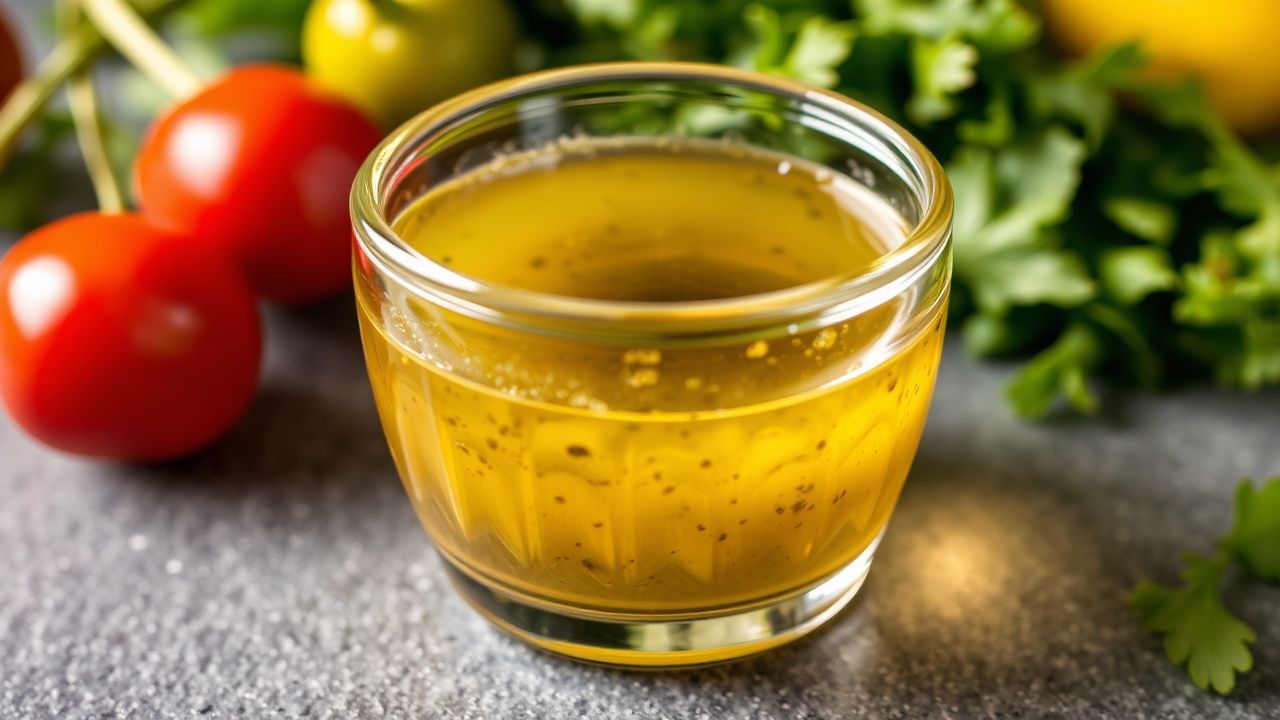

There’s something almost magical about a well-made vinaigrette-a harmonious pairing of tangy vinegar and smooth oil, lifted by herbs and a hint of sweetness. Yet that glossy emulsion can split within minutes, leaving oil on top and acid below. Why does this happen, and how do you stop it?
- Understanding the Science Behind Vinaigrette Separation
- Choosing the Right Ingredients for a Stable Emulsion
- Mastering Techniques to Achieve a Perfect Blend
- Creative Tips to Keep Your Vinaigrette Smooth and Fresh Longer
- Prep and Cook Time
- Yield
- Difficulty Level
- Ingredients
- Instructions
- Chef’s Notes
- Serving Suggestions
- Nutritional Info
- Related Reading
- Q&A
- Concluding Remarks
- Understand the emulsion: oil and vinegar resist mixing, so technique matters.
- Use emulsifiers: mustard, egg yolk, or honey help droplets stay suspended.
- Control temperature and method: room-temp ingredients and slow oil addition stabilize the blend.
- Store and reblend: sealed jars and a quick shake revive separated dressings.
Understanding the Science Behind Vinaigrette Separation
Why does my vinaigrette separate? The short answer: a vinaigrette is an emulsion of oil and an aqueous acid. Oil is hydrophobic and prefers to cluster with other oil molecules. The two phases will separate unless forces or stabilizers keep droplets suspended.
Droplet size, viscosity, and surface tension determine how long an emulsion lasts. When droplets stay extremely small and evenly dispersed, the mixture looks and behaves as one phase. If droplets coalesce, they rise and form a distinct oil layer.
Choosing the Right Ingredients for a Stable Emulsion
Ingredient selection changes both flavor and physical behavior. Thicker oils like extra virgin olive oil increase viscosity and help droplets stay small longer. For background on oils, see olive oil.
Acid type also affects texture. Wine vinegars and balsamic vary in viscosity and sugar content, which influence mouthfeel. For more on acids used in cooking, check vinegar.
Emulsifiers and Their Roles
Natural emulsifiers coat oil droplets and reduce the tendency to merge. Mustard contains mucilage and proteins that act on the oil-water interface. For an overview of common emulsifying agents, see mustard.
Egg yolk, mayonnaise, honey, and commercial stabilizers work similarly by lowering interfacial tension. A small amount goes a long way; too much thickener can mask flavors and change the intended vinaigrette profile.
Mastering Techniques to Achieve a Perfect Blend
Technique matters as much as ingredients. The mechanical action breaks oil into tiny droplets. Whisking, shaking in a jar, or using an immersion blender all create shear that refines droplet size.
Always add oil slowly. Pouring a thin stream while whisking or running an immersion blender ensures the oil disperses into small droplets. Rapid addition lets oil pool, producing a quick split.
Temperature and Sequence
Room-temperature oil mixes more predictably than cold oil, which can thicken and form ribbons instead of droplets. Likewise, bring refrigerated ingredients briefly to room temperature when possible for smoother emulsification.
Start by blending the acid and emulsifier first, then incorporate oil. This creates a stable continuous phase that captures oil droplets as they form. Small adjustments to order and temperature yield big stability improvements.
Creative Tips to Keep Your Vinaigrette Smooth and Fresh Longer
Storage and minor formula tweaks extend stability between uses. Store vinaigrette in a tight, clean glass jar to limit air exposure and oxidation. Refrigeration preserves freshness, though it may thicken olive oil.
Thickeners like blended avocado, silken tofu, or ground flaxseed add body and slow separation. These ingredients also boost nutrition while helping the dressing cling to leaves and vegetables.
Rotate the dressing by shaking or stirring before each use. A brief reblend with an immersion blender restores micro-droplets and instantly reunites a split vinaigrette.
Prep and Cook Time
Preparation: 10 minutes. Efficient mise en place helps steady oil addition and consistent whisking.
Emulsifying: 5 minutes. Short, focused blending sessions produce fine droplets without overworking herbs or delicate flavors.
Yield
Approximately 1 cup (serves 4–6 as a salad dressing). Adjust ratios to taste while keeping an eye on stability.
Difficulty Level
Easy — The method is straightforward; control of timing, temperature, and emulsifier selection determines success.
Ingredients
Use room-temperature oil for best emulsification. The recipe below is a classic starting point; tweak oils or acids for flavor variations.
- 2/3 cup extra virgin olive oil, room temperature
- 1/4 cup red wine vinegar or apple cider vinegar
- 1 tablespoon Dijon mustard
- 1 teaspoon honey or maple syrup (optional)
- 1 small garlic clove, minced (optional)
- Salt and freshly ground black pepper, to taste
- Fresh herbs like parsley, chives, or thyme, finely chopped (optional)
Instructions
Combine the mustard, vinegar, honey, garlic (if using), salt, and pepper in a medium bowl. Whisk these together until the acidic phase is uniform and slightly frothy.
Begin adding the oil in a thin, steady stream while whisking continuously. Keep the whisk moving; aim for small, consistent strokes to shear the oil into fine droplets.
- Combine the acid and emulsifier in a bowl.
- Whisk until blended and slightly aerated.
- Slowly add oil while whisking to form a stable emulsion.
- Whisk until thick and uniform.
- Stir in herbs and adjust seasoning.
- Transfer to a clean glass jar with a tight lid and refrigerate.
Chef’s Notes
Substitute oils: Walnut or avocado oil add unique flavors but differ in viscosity. Taste before committing to a full batch.
Make-ahead tip: Prepare up to 48 hours ahead for flavors to meld. Shake well before serving to restore texture.
If separation occurs: A vigorous whisk or an immersion blender re-emulsifies instantly. For travel-friendly options, use a jar and shake hard.
For creamier dressings: Use an immersion blender or add a small amount of egg yolk or mayonnaise for extra stability and silkiness.
Serving Suggestions
Drizzle your vinaigrette over crisp garden greens, roasted vegetables, or grilled seafood to highlight its aroma and texture. Let heavier dressings rest briefly before pouring so seasonings settle evenly.
Garnish with cracked black pepper and a few herb leaves. Serve alongside warm artisan bread to mop up any remaining dressing and showcase the vinaigrette’s balanced flavors.
Nutritional Info
Per 2-tablespoon serving: ~120 kcal, 0 g protein, 1 g carbohydrates, 14 g fat. Values vary with oil type and added ingredients.
Related Reading
For scientific background on emulsions and food chemistry, consult reliable references in food science and culinary technique. A general overview of salad dressings appears at salad dressing.
Q&A
Q: Why does my vinaigrette separate so quickly after I make it?
A: Separation occurs because oil and water-based vinegar are immiscible. Without emulsifiers or fine droplet formation, oil droplets merge and float to the top. Mechanical action and stabilizers prevent rapid separation.
Q: Is separation a sign my vinaigrette has gone bad?
A: No. Separation usually signals physical instability, not spoilage. Reblend by whisking or shaking. If the dressing smells off or shows mold, discard it immediately.
Q: How can I keep my vinaigrette from separating so fast?
A: Use an emulsifier like mustard or egg yolk, add oil slowly while whisking, and keep ingredients at room temperature. An immersion blender produces a very stable emulsification.
Q: Does the type of oil or vinegar affect separation?
A: Yes. Higher-viscosity oils and slightly thicker acids improve stability. Different vinegars bring distinct flavors and textures that can help or hinder emulsification.
Q: What’s the best way to store vinaigrette to maintain its quality?
A: Store in a sealed glass jar in the refrigerator for up to a few days for fresh-ingredient versions. Shake or whisk before serving; discard if there are off smells or visible spoilage.
Concluding Remarks
Separation is a normal physical behavior for oil-and-acid dressings, but you can manage it reliably. Focus on droplet control, emulsifier choice, and consistent technique to make vinaigrettes that stay blended longer.
Apply the steps above, experiment with small adjustments, and you will produce dressings that cling to greens instead of pooling at the bottom of the bowl. Practiced technique beats panic every time.
See also: vinaigrette