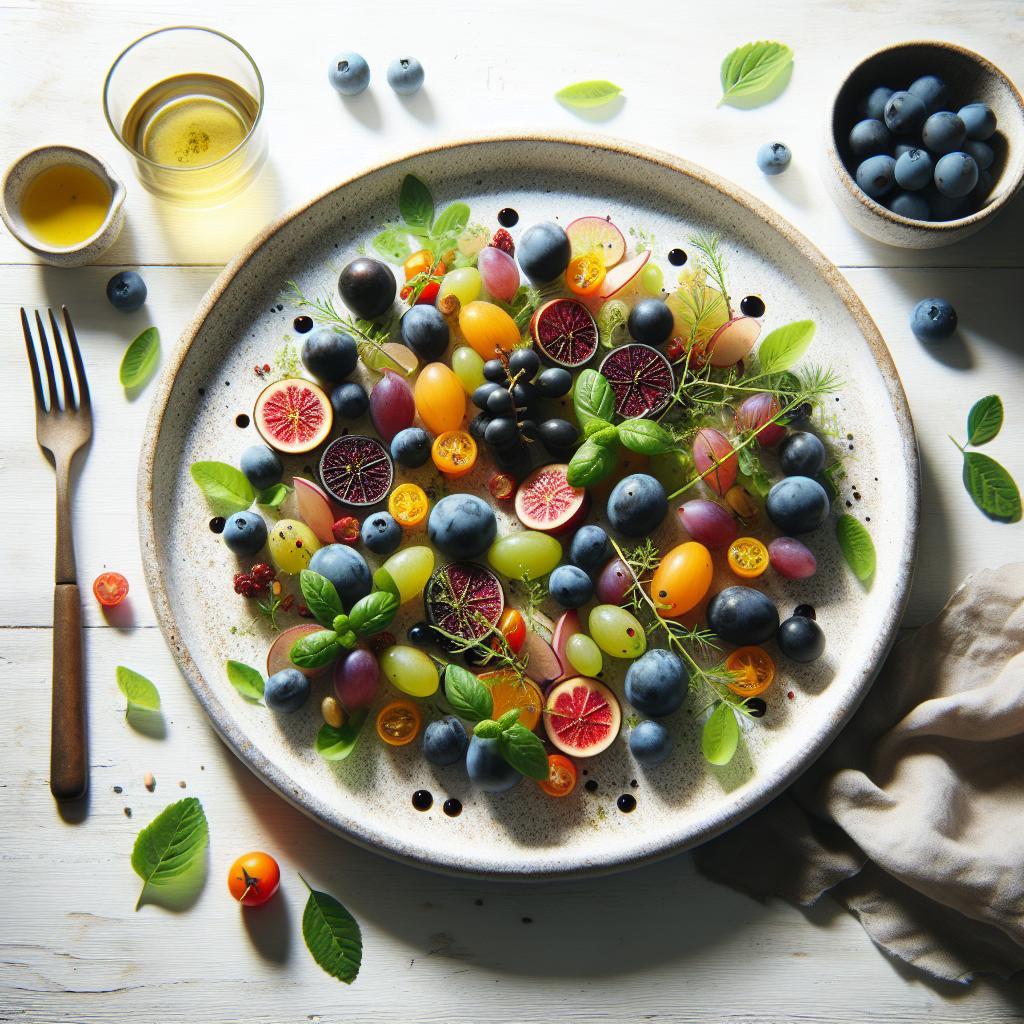

Wild grapes grow where vines find strength—along fence lines, riverbanks, and forest margins. Foragers prize them for intense flavor and culinary versatility.
- Identify with care: small clusters, lobed leaves, and a grape scent on crushed stems help.
- Harvest smart: take only part of a vine so plants and wildlife thrive.
- Use creatively: compotes, jams, and small-batch wines highlight wild grape depth.
- Preserve safely: wash, cook, or freeze to extend the harvest.
Foraging Basics
Wild grapes belong to the Vitis genus and include several species adapted to local conditions. Learn leaf shape, vine habit, and fruit timing to separate edible grapes from look-alikes.
Foraging requires observation of the surrounding habitat and plant traits described in field guides and botanical keys. Cross-reference what you see with reliable sources like the general grape overview to build confident identification skills.
Prep and Cook Time
Preparation: 15 minutes. Cooking: 25 minutes. These times suit a small compote or jam that preserves the grape’s wild aromatics.
Plan for cooling and jar sterilization if you intend to preserve your batch; refrigeration or freezing adds storage flexibility. Keep a simple checklist at hand: wash, destem, measure sugar, and heat gently.
Yield
A typical recipe using 3 cups of wild grapes produces enough compote for 4 servings as a topping or condiment. Expect variations: very tart grapes yield more concentrated preserves after sugar and reduction.
Scaling is straightforward: double the fruit for larger batches but adjust cooking time to reach the same glaze consistency. Label and date containers for rotation in the refrigerator or freezer.
Difficulty Level
Medium: Foragers with basic kitchen skills succeed easily; novices can follow stepwise instructions and learn through practice. The method emphasizes gentle cooking and tasting to balance sugar and acidity.
Equipment needs remain low: a sieve, medium saucepan, and a spoon will do most tasks. If you aim for smooth preserves, add a fine-mesh sieve or food mill to your toolkit.
Ingredients
3 cups wild grapes (washed and destemmed), 1/2 cup cane sugar, 1 tbsp lemon juice, 1 tsp vanilla, 1/4 cup water, optional butter, and serving options like Greek yogurt or crème fraîche. These ingredients respect the fruit’s natural acidity and aroma.
Substitutions work: use honey for part of the sugar for floral notes, or reduce sugar for tart varieties and rely on longer reduction. Keep measurements approximate; taste during cooking and adjust.
Instructions
Follow a gentle stovetop method to extract juice and develop a jammy texture without burning aromatics. Work in small batches to maintain control and even cooking.
Step-by-step
- Prepare: Rinse grapes under cold water, remove stems, and pat dry with a clean towel.
- Simmer: Combine grapes, sugar, lemon juice, and water in a medium saucepan; bring to a gentle boil over medium heat.
- Reduce: Simmer 15–20 minutes, stirring occasionally until berries soften and release juices into a thickened compote.
- Finish: Stir in vanilla and butter for sheen if desired, then remove from heat and cool slightly before serving.
Sieve the compote for a smoother texture if you prefer; pressing through a fine mesh removes skins and seeds. Store in clean containers: refrigerated for one week, or freeze for longer storage.
Tips for Success
Harvest grapes early in the morning when temperatures remain low; this preserves firmness and flavor. Taste test a few berries from different vines to gauge sweetness before you decide on sugar levels.
Work clean: sanitize jars and utensils if you plan to store compote as preserves. Small changes in heat and time change consistency, so record the batch parameters that deliver your preferred texture.
Foraging Safety and Sustainability
Practice selective harvesting: take less than half of the clusters from any vine to allow seed dispersal and wildlife feeding. Use pruning shears to avoid damaging the vine and to minimize pathogen transfer through torn stems.
Obtain permission on private land and follow local regulations for protected areas; ethical foraging maintains access for everyone. If in doubt about identification, consult local extension services or a certified botanist.
Serving Suggestions
Spoon warm compote over Greek yogurt, pancakes, or artisan bread for a vibrant breakfast or snack. The bright, tangy profile pairs well with strong cheeses and smoky roasted meats for savory-sweet contrasts.
Turn compote into a cocktail syrup by reducing it slightly and straining it through a fine mesh. For a dessert twist, swirl compote into vanilla ice cream or fold into whipped cream for a seasonal parfait.
Nutrition
Wild grape compote provides a concentrated source of carbohydrates and antioxidants inherent to grapes. Nutrient levels vary by species and ripeness; reduction concentrates sugars and phenolic compounds.
| Nutrient | Per Serving |
|---|---|
| Calories | 150 kcal |
| Protein | 1 g |
| Carbohydrates | 36 g |
| Fat | 3 g |
For people monitoring sugar intake, reduce added sugar and compensate with longer reduction time to intensify fruit flavor. Share portion guidance with guests who track calories or carbohydrates.
Further Reading and Techniques
Explore traditional uses of wild grapes in fermenting and winemaking traditions; small-batch ferments reward precise sanitation and controlled yeast activity. See the winemaking overview for foundational steps if you plan to try fermentation.
To expand botanical context, study habitat and plant ecology concepts that influence grape distribution and ripening times. The foraging article offers practical ethics and safety practices that complement hands-on learning.

Closing Notes
Wild grapes connect seasonal observation with tangible kitchen rewards; the practice refines both field skills and culinary judgment. Over time, you build a personal rhythm for when and where to harvest, cook, and preserve.
Keep records of locations, species characteristics, and flavor profiles for future seasons. With care, wild grape foraging becomes a repeatable, low-impact way to enjoy unique fruit and deepen place-based food knowledge.
FAQ
What makes wild grapes different from cultivated grapes?
Wild grapes often have smaller berries, thicker skins, and more seeds than cultivated varieties; these traits support survival in wild settings. They present more concentrated, sometimes tart, flavor profiles preferred for preserves and robust wines.
How can I identify wild grapes in the field?
Look for climbing vines, clusters of small berries, and lobed leaves with serrated margins. Crush a leaf or stem: a grape-like aroma helps confirm identification, and cross-reference with botanical sources for accuracy.
Are wild grapes safe to eat straight from the vine?
Most wild grapes are edible, but you must positively identify them before eating. Wash fruit to remove dust and insects, and avoid berries from contaminated sites.
What is the best way to preserve wild grapes?
Make compote, jam, or freeze whole grapes for later use; canning requires standard sterilization and headspace procedures. For fermenting or winemaking, adhere to sanitation and controlled fermentation techniques.
How do I forage sustainably?
Take only a portion of fruit from any vine, avoid damaging plants, and respect private and protected lands. Share knowledge with new foragers to foster safe, ethical practices that protect habitats.
See also: Wild Grapes