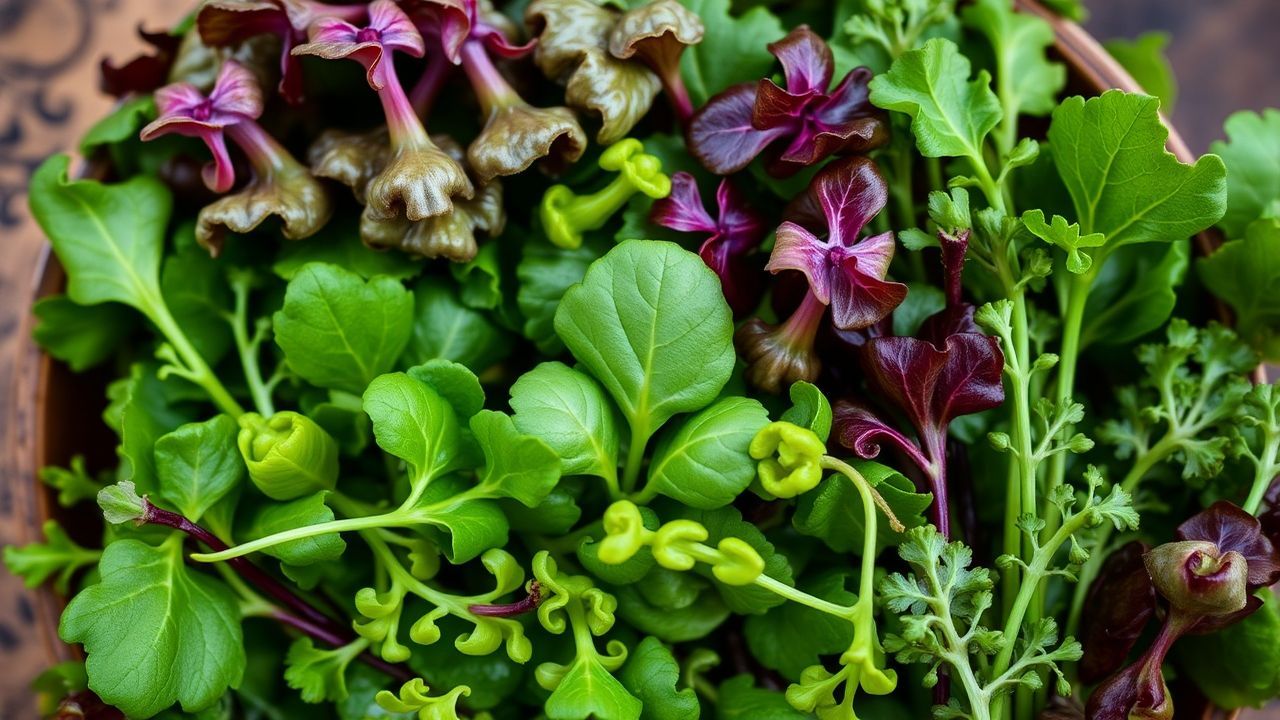

Wild greens bring sharp flavor, dense nutrition, and a tactile freshness that changes a salad from ordinary to memorable. These leaves range from peppery dandelion to tangy purslane, and they reward simple preparations with layered taste and texture.
- Bold flavor: wild greens add peppery, bitter, or lemony notes that deepen salads.
- Nutrition boost: many wild greens contain high levels of vitamins A, C, K, and minerals.
- Simple prep: rinse, blanch when needed, dress lightly, and serve immediately for best texture.
- Foraging matters: learn local identification and harvest only in clean, pesticide-free zones.
Wild Greens: Top Picks for a Fresh Salad Boost
Below are proven wild greens that consistently perform in salads. Each entry includes flavor profile, handling tips, and quick pairing ideas.
These picks represent a cross-section of textures and tastes that work well raw or with minimal cooking. Use them alone or mix to create balanced, complex salads that stay lively bite after bite.
Dandelion (Taraxacum officinale)
Dandelion leaves deliver a sturdy, slightly bitter bite that stands up to rich dressings and cheeses. Explore the plant’s profile on Taraxacum officinale for botanical and culinary context.
Young dandelion leaves are milder and ideal raw; mature leaves pair well with acid and fat to tame bitterness. Try them with honey-mustard vinaigrette and toasted nuts.
Nettle (Urtica dioica)
Nettles transform from stinging to silky once blanched or quickly sautéed, offering a spinach-like richness. Review identification and uses at Urtica dioica before harvesting wild populations.
Blanch nettles for 20–30 seconds and shock in ice water to lock color. After that, squeeze gently, chop, and fold into warm salads or chilled bowls for minerally depth.
Purslane (Portulaca oleracea)
Purslane brings succulent stems and a lemony, slightly sour note thanks to natural oxalates and unique texture. Learn more about its edible nature at Portulaca oleracea.
Purslane tolerates acidic dressings and pairs beautifully with fresh tomatoes, citrus segments, or a light olive oil emulsion. Its crunchy stems add welcome body to delicate leaves.
Chickweed and Miner’s Lettuce
Chickweed offers a mild, green flavor and acts as a neutral base to temper bolder leaves. Miner’s lettuce has a subtle, tangy softness that mixes well with stronger greens.
Both are tender and best used raw; keep them whole or lightly torn to preserve texture. Combine with firmer greens for a well-rounded bowl.
Prep, Timing, and Yield
Plan simple, efficient prep to preserve the freshness of wild greens. Rinse well, dry thoroughly, and dress only at the last minute to avoid limp leaves.
Typical timing: 15 minutes active prep for cleaning and chopping, 5 minutes optional blanching for nettles, and total time under 25 minutes for assembly. Yield: roughly 4 servings for a light salad, depending on mix and portion sizes.
Ingredients
Use a short, focused ingredient list to let the greens sing. Choose high-quality oil and a bright acid to complement bitter or peppery notes.
Core ingredients include:
- 2 cups mixed wild greens (dandelion, miner’s lettuce)
- 1 cup nettles, blanched if harvested fresh
- 1/2 cup chickweed or purslane
- 1 small radish, thinly sliced
- 1/4 cup toasted nuts (pine nuts, almonds, or walnuts)
- 3 tbsp extra virgin olive oil
- 1 tbsp apple cider vinegar or lemon juice
- 1 tsp honey or maple syrup
- Salt and freshly ground black pepper to taste
- Optional: 1/4 cup crumbled goat cheese or feta
Instructions
Follow clear steps and keep paragraphs short so you can scan while cooking. Emphasize safe handling and quick finishing for best texture.
Step-by-step:
- Clean the greens: Rinse under cold running water and use a salad spinner or towel to dry. Remove thick stems and any discolored leaves.
- Blanch nettles if needed: Boil for 20–30 seconds then plunge into ice water; squeeze gently before chopping. Blanching neutralizes the sting and preserves color.
- Make the dressing: Whisk together olive oil, apple cider vinegar or lemon, honey, salt, and pepper until emulsified. Taste and adjust acidity or sweetness as needed.
- Assemble: Combine greens, sliced radish, and toasted nuts in a large bowl. Drizzle dressing and toss gently to coat without crushing delicate leaves.
- Finish: Scatter cheese if using and serve immediately for peak freshness. A final squeeze of lemon brightens bitterness and unifies flavors.
Foraging Safety
Foraging wild greens requires accurate identification and careful site selection. Avoid plants from roadsides, industrial areas, or places treated with pesticides.
If you are unsure about a species, consult a local expert or verified field guide before eating. When in doubt, do not consume the plant.
Keep a small field guide or plant ID app on hand when foraging, and always harvest sustainably by taking only small portions from large patches.
Tips for Success
Simple techniques will improve flavor balance and mouthfeel. Use acid and fat to moderate bitterness and add texture with nuts or seeds.
Store cleaned greens wrapped in a damp paper towel inside a perforated bag to extend crispness for up to three days. Keep dressing separate until serving to prevent sogginess.
Serving Suggestions
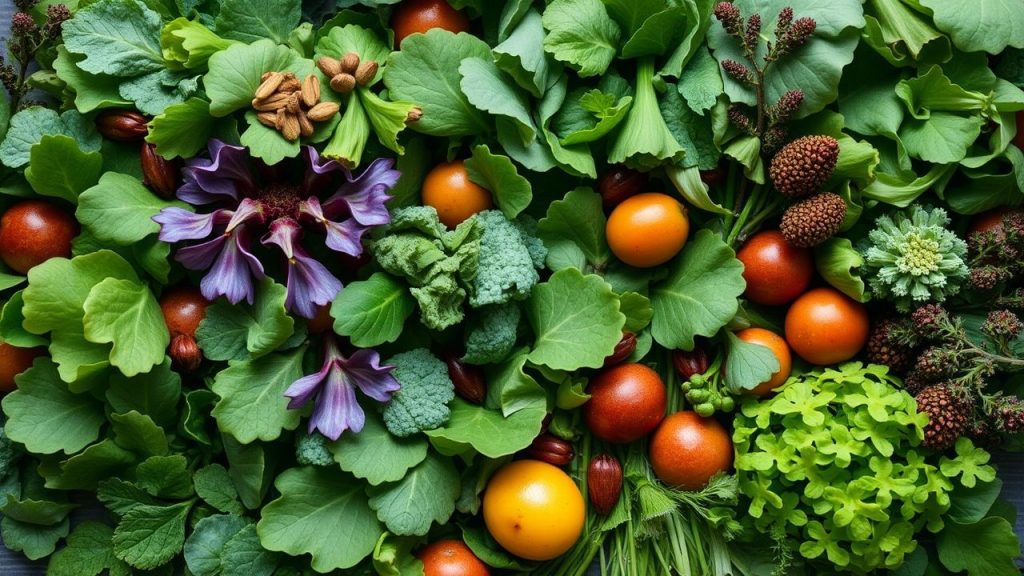
Plate wild green salads in wide, shallow bowls to display texture and color. Garnish with edible flowers or citrus segments for visual contrast.
Pairings: serve with grilled fish or chicken, crusty whole-grain bread, or a soft-poached egg for protein. For a wine match, try a crisp white with good acidity to complement bitter notes.
Nutrition Snapshot
Wild greens typically provide vitamins A, C, and K, along with minerals like iron and calcium. Their antioxidant content supports overall health when eaten as part of a varied diet.
Per serving (estimate): 145 kcal, 4 g protein, 8 g carbohydrates, 12 g fat. Values vary by greens, dressing, and optional cheese.
| Nutrition Component | Per Serving |
|---|---|
| Calories | 145 kcal |
| Protein | 4 g |
| Carbohydrates | 8 g |
| Fat | 12 g |
Further Reading and Resources
Learn responsible foraging practices and expand your skill set with community classes and verified guides. Foraging knowledge improves both safety and the variety you can enjoy.
Explore foraging concepts and natural food gathering on Foraging (activity). For general context on leafy salad composition, see Salad.
FAQ
Are wild greens safe to eat raw?
Many wild greens are safe raw if properly identified and cleaned. However, species like nettles require blanching to neutralize hairs that sting, so handle them appropriately.
How do I identify edible wild greens?
Use credible field guides, join local foraging groups, and cross-reference multiple sources before consuming a plant. When learning, have an experienced forager confirm your finds.
Can I substitute cultivated greens for wild ones?
Yes, cultivated greens can substitute for texture or volume, but they may lack certain flavor notes that make wild greens distinctive. Mix both types for balance.
How should I store wild greens after harvesting?
Rinse and dry, then wrap in a damp towel and store in a perforated bag in the fridge. Keep dressing separate and dress just before serving.
What are quick dressings for bitter wild greens?
Bright acid (lemon, vinegar), a touch of sweetener (honey, maple), and good oil create fast emulsified dressings. Taste and adjust acidity to tame bitterness without masking the greens.
See also: wild greens