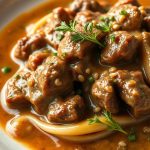
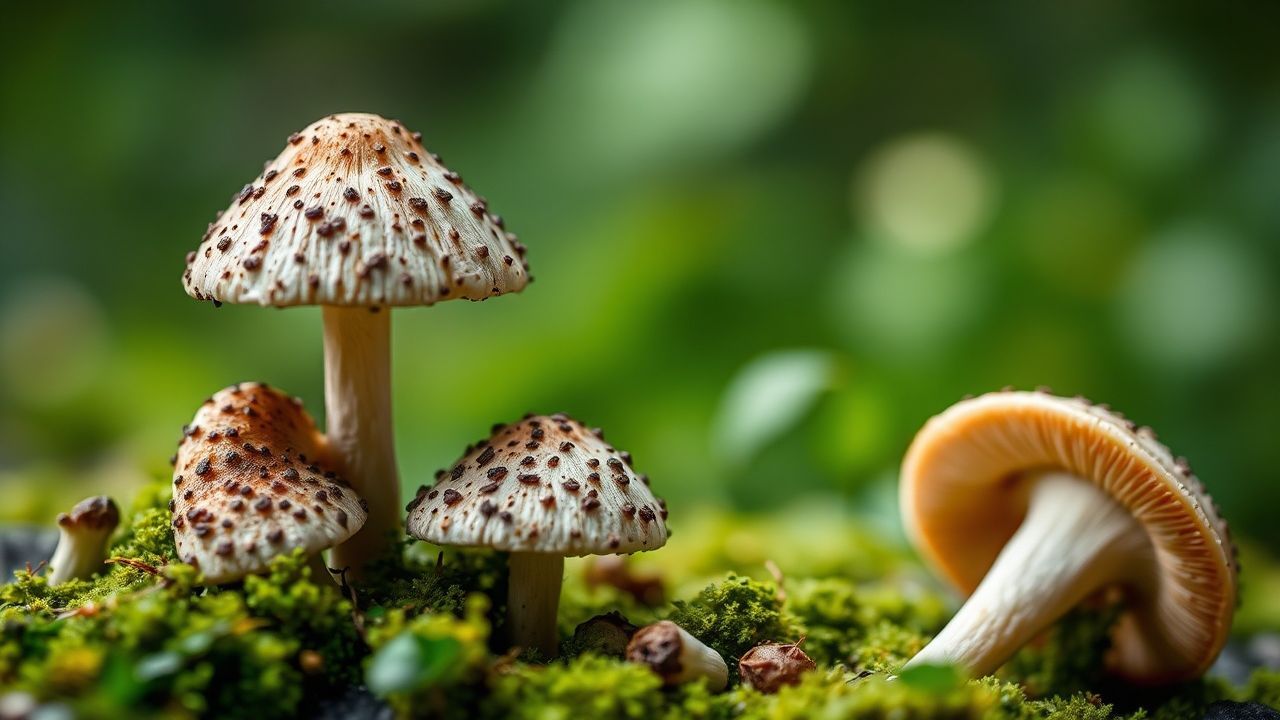

Deep in shaded groves, wild mushrooms deliver concentrated, complex flavors that reward careful pairing and thoughtful technique. These fungi fuse earthy, nutty, and sometimes floral notes into dishes that feel both rustic and refined.
- Seasonality matters: choose mushrooms at peak freshness for maximum aroma.
- Balance umami: pair with acids, fats, or sweet elements to lift richness.
- Texture contrast: combine silky creams with toasted nuts or crisp herbs.
The Essence of Wild Mushroom Magic: Seasonal Pairings & Flavor Balances
Wild mushrooms concentrate savory compounds that chefs call umami, which amplifies other flavors on the plate. For a technical overview of the taste compound, consult umami, and use acidic or sweet notes to balance that depth.
Season and technique shape a mushroom’s character: sautéing creates Maillard browning, roasting concentrates sugars, and gentle simmering yields a rounded stock. Learn about the broader category at mushroom.
Recipe Snapshot
This wild mushroom soup recipe emphasizes harmony: aromatics, wine, and cream lift the fungi without masking them. It scales easily and adapts to local varieties.
The method below highlights browning, deglazing, and gentle simmering to extract full flavor while preserving texture. Use a heavy pan for even heat and avoid crowding the mushrooms.
Prep and Cook Time
- Preparation: 20 minutes
- Cooking: 35 minutes
- Total Time: 55 minutes
Yield
- Serves 4 as a main course or 6 as an appetizer
Difficulty Level
- Medium – designed for home cooks ready to experiment with seasonal produce
Ingredients
300g wild mixed mushrooms such as chanterelles or porcini, cleaned and sliced. For identification tips and notes on common varieties, see chanterelles.
Other essentials include butter, olive oil, shallot, garlic, thyme, broth, white wine, and cream. Keep aromatics small and even to promote uniform cooking and flavor release.
- 300g wild mixed mushrooms (chanterelles, porcini, shiitake), cleaned and sliced
- 2 tbsp unsalted butter
- 1 tbsp extra virgin olive oil
- 1 medium shallot, finely diced
- 2 garlic cloves, minced
- 1 sprig fresh thyme
- 1 cup vegetable broth (homemade or low sodium)
- 1/2 cup dry white wine
- 150 ml heavy cream
- Salt and freshly ground black pepper, to taste
- 1 tbsp fresh flat-leaf parsley, chopped
- 1 small carrot, finely diced
- 1 celery stalk, finely diced
- 1 tsp smoked paprika
- Crusty artisan bread, for serving
Instructions
Start with gentle heat: sweat the shallot, carrot, and celery in butter and oil to build a savory base without browning. This step releases sugars that later interact with mushroom umami.
Follow with higher heat to caramelize the mushrooms, then deglaze with wine to capture fond. Simmer with broth and finish with cream for silkiness and balance.
- Heat the butter and olive oil in a large sauté pan over medium heat. Once shimmering, add the shallots, carrot, and celery; cook until softened, about 5 minutes.
- Add the garlic and thyme sprig. Stir for 1 minute until aromatic but not browned.
- Increase heat to medium-high and add the sliced wild mushrooms. Sauté until golden brown, about 8–10 minutes, stirring occasionally to encourage even caramelization.
- Pour in the white wine and deglaze the pan, scraping up browned bits. Let it simmer and reduce by half, roughly 5 minutes.
- Add the vegetable broth, smoked paprika, salt, and pepper. Bring to a gentle simmer and cook 8–10 minutes to meld flavors.
- Remove the thyme sprig. Stir in the heavy cream and chopped parsley, then simmer for 3–5 minutes until slightly thickened.
- Finish and serve. Taste and adjust seasoning. For texture contrast, puree half the soup with an immersion blender and leave the rest chunky. Serve hot with crusty bread.
Tips for Success
Choose firm, dry mushrooms; avoid specimens that feel slimy or overly soft. If using dried porcini, rehydrate in warm water for 20 minutes and reserve the soaking liquid for added intensity.
Control moisture: overcrowding the pan produces steam instead of browning. Work in batches for a deep, toasty mushroom character.
- Pan technique: use high heat and minimal stirring once mushrooms begin to brown.
- Flavor swaps: smoked paprika gives warmth; substitute nutmeg or white pepper for a subtler lift.
- Make ahead: flavors often deepen overnight—reheat gently to preserve texture.
Foragers and cooks should pair mushrooms with complementary textures: creamy elements, bright acids, and toasted seeds create a full sensory profile. For general foraging guidance and etiquette, see foraging.
Foraging and Safety Notes
Wild mushroom foraging demands precise identification; many edible species have toxic look-alikes. If you lack confident ID skills, source wild mushrooms from trusted suppliers or markets.
Always cross-reference multiple identification keys and consult local mycological societies when in doubt. Online resources vary; prioritize reputable, region-specific guides.
Serving Suggestions
Serve the soup garnished with fresh thyme sprigs and a drizzle of truffle oil or olive oil for perfume. Contrast creamy soup with crunchy elements such as toasted pine nuts or garlic-rubbed bread.
Pairing wines: dry white wines like Sauvignon Blanc brighten the dish, while light Pinot Noir provides soft tannins that complement earthier mushrooms. For more pairing ideas, visit our guide to seasonal ingredient pairings on this site.
Nutritional Information
This mushroom soup is moderate in calories and delivers fiber and protein from the fungi. Cream increases fat content, so consider light cream substitutes for a lower-fat version.
For a vegan adaptation, swap butter for olive oil and heavy cream for cashew or coconut cream to retain mouthfeel while removing dairy.
| Nutrient | Per Serving | % Daily Value |
|---|---|---|
| Calories | 180 kcal | 9% |
| Protein | 6g | 12% |
| Carbohydrates | 12g | 4% |
| Fat | 13g | 20% |
| Fiber | 3g | 12% |
Resources & Further Reading
Explore local mushroom species, seasonality charts, and preserved techniques on our resources page and in community forums. Start with local mycological club lists and verified field guides before harvesting.
Additional internal resources include a practical mushroom safety guide and a collection of tested wild mushroom recipes for further experimentation.
FAQ
This FAQ answers common practical questions about pairing and cooking wild mushrooms. Each answer aims to be actionable for cooks at home.
For more technical identification or toxicology questions, consult academic or regional mycology sources and verified guides.
What makes wild mushrooms a strong flavor component?
Wild mushrooms contain concentrated amino acids and flavor compounds that produce umami and earthy notes. These compounds enhance savory perception and interact with fats, acids, and sweeteners to create balance.
Which mushrooms are best for beginners to cook with?
Start with chanterelles or creminis: chanterelles offer delicate floral notes, while creminis provide a mild, meaty base that tolerates bolder companions and longer cooking.
How do I safely forage or buy wild mushrooms?
Only forage with an experienced guide and use multiple regional field guides. If uncertain at any step, refrain from consuming the harvest and consult a verified identification resource.
How can I make the recipe dairy-free without losing richness?
Use cashew cream or full-fat coconut cream to recreate silkiness. Finish with a small amount of olive oil or nut butter for added mouthfeel if needed.
Can I freeze this mushroom soup?
Freeze before adding cream for best texture after thawing; add cream when reheating and warm gently to avoid separation. Label and consume within 2–3 months for optimal flavor.
See also: Wild Mushrooms