
Wild Nuts Wonders: Crafting Hearty Vegetarian Mains
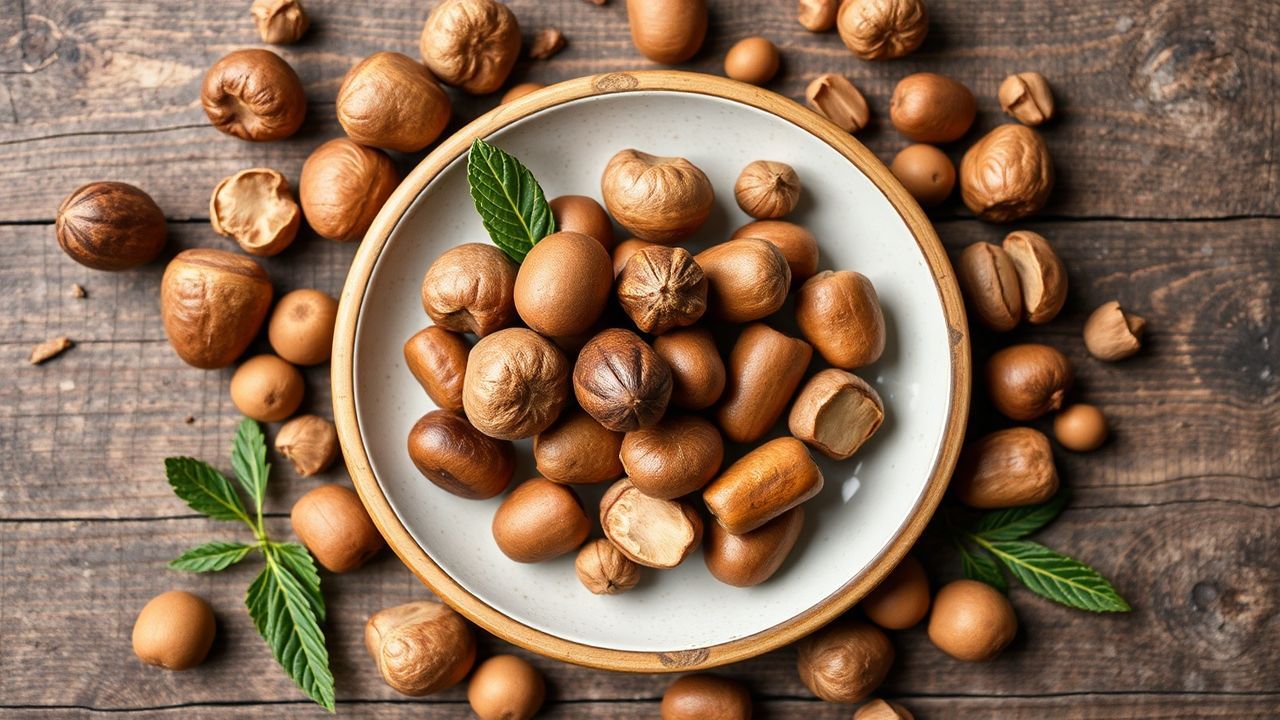
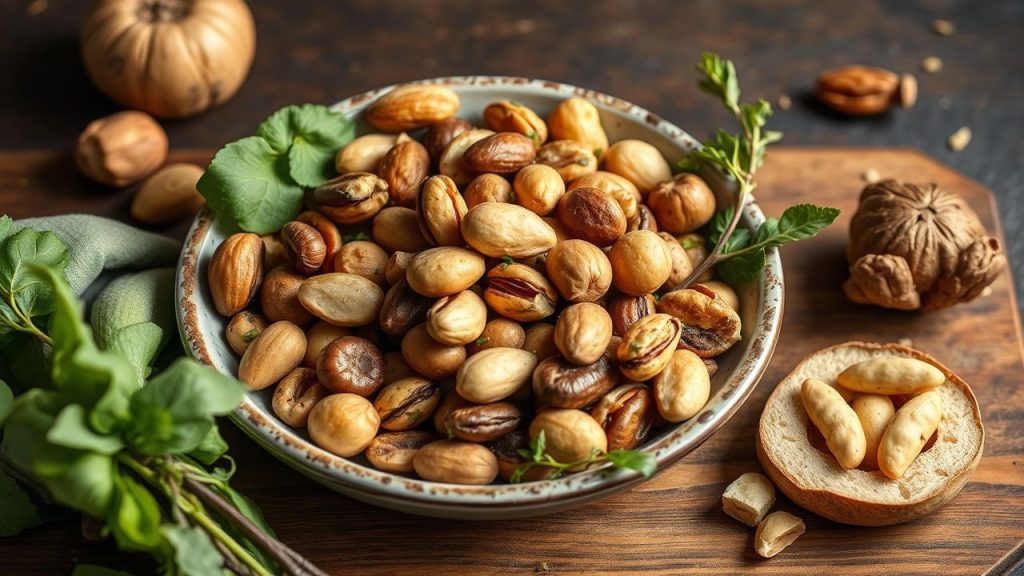
Wild nuts deliver concentrated flavor, dense texture, and solid nutrition that suit vegetarian mains. These ingredients turn simple grains and beans into memorable, protein-rich entrees with a rustic edge.
- Wild nuts add texture and concentrated fat-soluble flavor to vegetarian dishes.
- Roasting and proper binding techniques unlock their best culinary uses.
- They pair well with grains, legumes, and robust herbs for balanced mains.
Why Wild Nuts Belong in Main Dishes
Wild nuts often carry stronger aromatics than cultivated varieties, which chefs exploit to build savory depth. They provide lipids, plant protein, and micronutrients that help a vegetarian plate feel substantial and filling.
For botanical context, wild nuts sit under the general category of nuts and nut-like seeds; their structure and storage chemistry determine texture when roasted or ground. Learn more about nut types on Nut (fruit).
At a Glance: Recipe Overview
This recipe converts mixed wild nuts into pan-fried patties that pair with grains and salads. It scales to four and adapts to simple pantry swaps.
Prep and Cook Time
Preparation: 20 minutes | Cooking: 35 minutes | Total: 55 minutes. The timings assume pre-cooked grains and canned or previously cooked chickpeas for speed.
Allocate extra time if you plan to shell or soak whole-foraged nuts; this improves digestibility and reduces cooking variability. Soaking time varies by species and age of the nut.
Yield
This recipe yields 4 generous servings, eight medium patties. Serve as a main with salad or tuck into buns for a hearty sandwich.
Leftovers reheat well and freeze cleanly when flash-frozen first. Use frozen patties within two months for best texture retention.
Difficulty Level
Medium. The techniques are simple: roasting, sautéing, mixing, and pan-frying. Precision in seasoning and binding will yield reliable patties.
Home cooks with basic knife and stovetop skills will succeed. The most common issue is a loose mix; the recipe supplies binding hacks in the Tips section.
Ingredients
Gather quality ingredients. Use fresh, non-rancid nuts and cooked grains for consistent results.
- 1 cup mixed wild nuts (hazelnuts, walnuts, beechnuts preferred), roughly chopped
- 1 cup cooked quinoa, fluffy
- 1 small onion, finely diced
- 2 cloves garlic, minced
- 1 cup baby spinach, chopped
- 1/2 cup grated carrot
- 1/2 cup cooked chickpeas, lightly mashed
- 2 tbsp olive oil, plus extra for sautéing
- 1 tsp smoked paprika
- 1 tsp ground cumin
- Salt and freshly cracked black pepper, to taste
- Juice of half a lemon
- Fresh parsley, finely chopped, for garnish
- Optional: 1/4 cup crumbled feta cheese or vegan alternative
Tools and Technique Notes
Use a heavy skillet for even browning and a rimmed baking tray for roasting the nuts. A food processor can help if you prefer finer nut texture in the mix.
Foraging context matters: if you collect wild nuts yourself, verify species identity, dryness, and storage. Foraging principles appear in the literature; see Foraging for general guidelines.
Instructions
1. Roast the wild nuts: Preheat the oven to 350°F (175°C). Scatter the chopped nuts on a tray and roast for 8–10 minutes until fragrant and lightly golden.
Remove them promptly to avoid bitter over-roasting. Cooling concentrates the oils and stops carryover cooking.
2. Sauté aromatics: Heat 2 tablespoons of olive oil in a large skillet over medium heat. Add diced onion and cook for about 5 minutes until translucent and soft.
Add minced garlic, smoked paprika, and ground cumin. Stir for 2 minutes to bloom the spices and release aroma into the oil.
3. Build the vegetable base: Add grated carrot and chopped spinach. Sauté until the spinach wilts and the carrot softens, about 4 minutes.
Transfer the cooked vegetables to a large mixing bowl to cool briefly before combining with grains and nuts. Cooling protects the binding ingredients from breaking down.
4. Combine and form: Mix roasted nuts, cooked quinoa, mashed chickpeas, lemon juice, and the sautéed vegetables in the bowl. Season with salt and pepper and taste for balance.
Form the mixture into 8 even patties. If the mix feels loose, add a tablespoon of flour, breadcrumbs, or a flax egg to bind; adjust moisture sparingly.
5. Pan-fry the patties: Heat a splash of olive oil in the skillet. Fry patties over medium heat for 4–5 minutes per side until golden and crisp.
Transfer to a rack briefly to drain excess oil. Serve warm, garnished with parsley and a squeeze of lemon for brightness.
Tips for Success
Wild nuts selection: Choose fresh nuts with no rancid smell. Light roasting intensifies flavor; do not skip this step.
Binding tips: If the mixture is crumbly, add binder incrementally—flax egg, a small beaten egg, or a tablespoon of oat flour work well. Keep the mix moist but not wet.
Make-ahead: Form patties ahead and refrigerate up to 24 hours before cooking. This firms the shape and deepens flavor as spices meld.
Substitutions: Swap quinoa for bulgur or brown rice. Add finely chopped mushrooms if you want a stronger umami presence.
Safety and Sourcing
When sourcing wild nuts, prefer reputable vendors or certified foragers who follow sustainable harvest practices. Freshness and correct species identification avoid food-safety risks and bitter off-flavors.
Roasting or soaking reduces natural enzyme inhibitors in some nuts and improves digestibility. If you forage, document harvest location and date to track storage life.
Store leftovers in airtight containers. Freeze on a tray first, then transfer to a sealed bag or container to prevent patties from sticking together.
Savoring Your Creation
Serve the patties with a cooling yogurt-based sauce or a bright, acidic hummus to cut through the fat. A salad with bitter greens, pomegranate seeds, and toasted seeds balances texture and mouthfeel.
For a sandwich, use toasted whole-grain buns, ripe avocado slices, and pickled red onion for acidity. These layers amplify the rustic, nutty character of the patties.
Nutrition Snapshot
The nut-forward patties provide fats, plant protein, and fiber that support satiety. They bridge the nutritional gap between a light salad and a protein-focused main.
| Nutrient | Per Serving |
|---|---|
| Calories | 360 kcal |
| Protein | 12 g |
| Carbohydrates | 38 g |
| Fat | 18 g |
For deeper reading on quinoa as a protein-rich grain, consult Quinoa. For walnut characteristics and culinary use, see Walnut.
Q&A — Wild Nuts and Vegetarian Mains
Q: What makes wild nuts different from cultivated nuts?
Wild nuts often display more intense aromatics and variable sizes compared with cultivated counterparts. These differences affect roasting time and final texture.
Because of that variability, taste and texture tests on small batches help determine when to stop roasting and how fine to grind the nuts for a mix.
Q: How do I bind nut-based patties without eggs?
Use flax or chia ‘eggs’ (1 tablespoon seed + 3 tablespoons water per egg) or add a tablespoon of oat or chickpea flour. Cooked and mashed legumes also improve cohesion.
Adjust moisture stepwise and chill formed patties before frying to firm them up and reduce the risk of falling apart during cooking.
Q: Are wild nuts suitable for gluten-free diets?
Most nuts are naturally gluten-free and provide healthy fats and protein suitable for gluten-free and vegan plates. Monitor binders and breadcrumbs if you avoid gluten.
Substitute certified gluten-free flakes or ground oats when a dry binder is necessary to maintain texture and structure.
Q: Can I use other grains instead of quinoa?
Yes. Bulgur, brown rice, or farro work, though cooking times and moisture absorption vary. Use a grain that yields a slightly dry texture to avoid overly soft patties.
Combine a starchy grain with a legume or nut base to balance carbohydrates and protein for a satisfying main course.
Q: How should I store foraged wild nuts long-term?
Dry nuts thoroughly and store in a cool, dry place or refrigerate to slow rancidity. Vacuum-sealing or airtight containers reduce oxidation and pest exposure.
Label harvest dates and rotate older stock first. Freezing extends shelf life significantly for most nut species.
Closing Remarks
Wild nuts provide a versatile, nutrient-dense way to elevate vegetarian mains. Their natural oils and flavor complexity pair well with grains, legumes, and bright herbs for balanced plates.
Experiment with species and roast levels to discover your preferred texture and flavor profile. These simple practices will expand your vegetarian repertoire with satisfying, nutrient-rich mains.
See also: Wild nuts