

Zest Up Your Relish: Quick Fixes for Bold Flavor Boosts
Relish goes from background to bright with a few targeted changes that alter aroma, texture, and perceived acidity. Use citrus oils, fresh herbs, and controlled brining to get immediate impact without long cook times.
- Use zest and oils to amplify aroma without adding acidity.
- Balance acid–sweet–salt so each bite reads as more complex.
- Add texture—crunch versus soft fruit creates perceived depth.
- Finish fresh with an herb or oil right before serving for vividness.
Overview and Why It Works
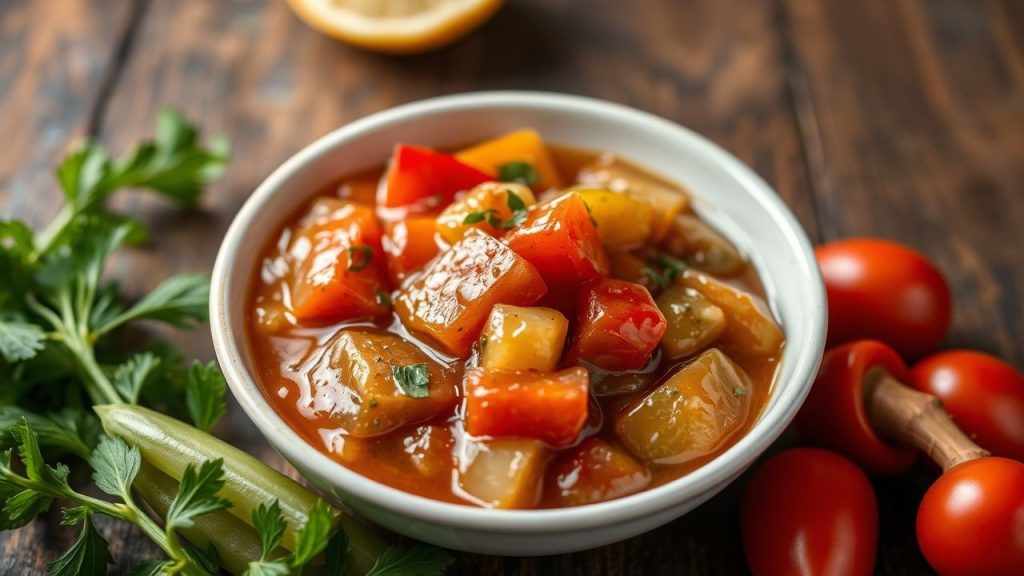
Relish is a concentrated condiment built from chopped vegetables or fruit bound by acid and seasonings. That concentration makes the recipe very responsive: small changes shift how both nose and tongue register the mix.
When you add citrus zest or toasted seeds you alter volatile aromas and mouthfeel immediately. For technical context about the category, see relish on Wikipedia.
Prep and Cook Time
Prep: 15 minutes. Cook: 10 minutes. Quick pickling time: 1 hour minimum for immediate service; flavor deepens overnight. These modest times make relish ideal for last-minute finishing touches.
Quick pickling uses warm brine so sugar and salt dissolve and flavors meld without long canning. For a technical read on the chemistry behind acid preservation, consult pickling.
Yield and Difficulty
Yield: About 2 cups (serves 6–8 as a condiment). Difficulty: Easy—no special equipment required and most work is knife-based. The recipe rewards precise mise en place.
Chopping and zesting are the main tasks; accuracy in salt and sugar keeps balance across batches. For herb specifics that change aromatic profile, see the herb entry for dill.
Ingredients
Use the list below as a flexible template: taste and adjust to the acidity and sweetness you prefer. The ratios matter more than exact vegetables; swap in seasonal produce while holding the acid–sweet–salt relationship steady.
Core ingredients: 1 cup thinly sliced cucumber, 1/2 cup finely diced red onion, 1 tbsp chopped dill, 1 tbsp chopped cilantro, 1 tsp lemon zest, 1 tsp orange zest, 1/4 tsp crushed red pepper, 1/2 tsp ground cumin, 1 tsp black peppercorns, 1 tbsp sugar, 1/2 cup apple cider vinegar, 1/2 cup water, 1 tsp kosher salt, optional 1/2 cup diced mango.
Swap-ins: jalapeño for heat, preserved lemon for concentrated citrus, or pickled ginger for an aromatic bite. For a quick introduction to citrus varieties that affect zest character, see citrus fruit.
Instructions
Work in three stages: prepare aromatics, make the brine, then combine and chill. Follow sequencing to preserve volatile oils and maintain crisp texture.
Taste after a short chill and again the next day; acidity often rounds out and layers with time. Below is a step-by-step method that keeps the process fast and repeatable.
Step-by-step Process
- Prepare herbs and zest: Combine chopped dill and cilantro with lemon and orange zest in a medium bowl. Zest releases essential oils that lift aroma without raising acidity.
- Add spices: Mix crushed red pepper flakes, ground cumin, and peppercorns to create warmth that contrasts citrus brightness. Toast whole peppercorns briefly in a dry pan to boost their aroma if desired.
- Add vegetables and fruit: Fold in cucumbers, red onion, and diced mango if you use it. Keep pieces bite-sized so texture reads uniform but contrasting.
- Make the brine: In a small saucepan combine apple cider vinegar, water, sugar, and kosher salt. Warm just enough to dissolve sugar and salt; avoid boiling to preserve fresh aromatics.
- Pour and chill: Pour warm brine over the relish and stir to coat. Cover and refrigerate at least 1 hour; flavors deepen after several hours or overnight.
- Finish and adjust: Taste before serving and adjust sugar or red pepper as needed. Add a teaspoon of neutral oil or a drizzle of good olive oil for sheen and mouthcoat if serving cold.
Use clean jars or airtight containers for storage and rapid cooling. Rapid refrigeration preserves crispness and slows microbial growth.
Tips for Success
Small technique tweaks create noticeably better relish. Focus on fresh aromatics, controlled brine temperature, and textural contrast to make flavors read louder.
Chop strategies: Coarse chop for crunch; fine mince for even flavor distribution. Toasting seeds or whole spices briefly before adding develops secondary savory notes.
Keep crunchy add-ins like nuts or seeds separate until serving to avoid sogginess. Add these toppings last to preserve the contrast that makes relish feel vibrant.
When testing changes, isolate one variable at a time—zest, herb, or heat—so you can identify which adjustment produced the improvement. This method builds a reproducible flavor profile for your signature relish.
Serving Suggestions
Relish functions as a finishing condiment and a flavor bridge in composed dishes. Use a spoonful to brighten grilled meats, fish tacos, roasted vegetables, or creamy spreads.
Try a dollop on cream cheese or strained yogurt atop toasted baguette slices for an easy appetizer. Garnish with a thin strip of citrus zest and a small herb sprig for visual lift.
Nutrition and Batch Scaling
A 2-tablespoon serving runs low in calories while delivering high flavor density, so you can replace calorie-dense sauces in many applications. Adjust sugar and oil to control caloric impact precisely.
Scale linearly for larger batches but always re-taste the brine after scaling. Vinegar, sugar, and salt must remain proportional to keep both flavor and safe preservation characteristics.
| Nutrient | Per Serving (2 tbsp) |
|---|---|
| Calories | 25 |
| Protein | 0.3g |
| Carbohydrates | 6g |
| Fat | 0.1g |

Practical Variations
Make regional riffs by switching a couple of ingredients while keeping the base ratio stable. For example, swap cilantro for parsley and lime zest for lemon to move toward Latin-style flavor profiles.
Reduce added sugar for very ripe stone fruit or increase acidity for heartier veg like beets and carrots. Controlled substitutions let you convert a template into multiple signature relishes.
For internal reference and related content, see the Relish tag on CookHarvest and the CookHarvest home for more condiment ideas.
FAQ
What does “zesting up” a relish mean?
It means adding high-impact elements—citrus zest, fresh herbs, acid, or spice—that increase aroma and perceived flavor without extra cooking. These elements change how the nose and tongue register the relish almost immediately.
Can I use only dried herbs?
Dried herbs provide less aromatic lift than fresh, because volatile oils diminish with drying and heat. Use dried when you plan to cook or long-marinate the relish; otherwise choose fresh for immediate brightness.
Is quick-pickled relish safe to store at room temperature?
No. Quick-pickled relishes are perishable and require refrigeration; keep them chilled and consume within 7–10 days for best quality and safety. Proper jars and rapid cooling help maintain texture and safety.
Can these flavor boosts work with fruit relishes?
Yes. The same principles—contrast, acid balance, and aromatic lift—apply to fruit relishes. Reduce added sugar for very ripe fruit and choose complementary spices to support the fruit’s natural profile.
How do I prevent my relish from becoming soggy?
Drain high-water vegetables briefly and chill promptly after brining to maintain crispness. Hold crunchy toppings like nuts or toasted seeds separate until serving to preserve texture contrast.
For further reading on preservation concepts and flavor chemistry, consult the Wikipedia entries on relish, pickling, and citrus.
See also: Relish
Recommended Reading:
- 9 Simple Steps to Make Fiery Homemade Jalapeño Relish
- Mastering Hot Pepper Relish: The Ultimate Step-by-Step Guide
- 7 Pear Relish Secrets: Crafting Sweet & Tangy Perfection at Home