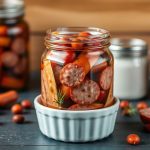
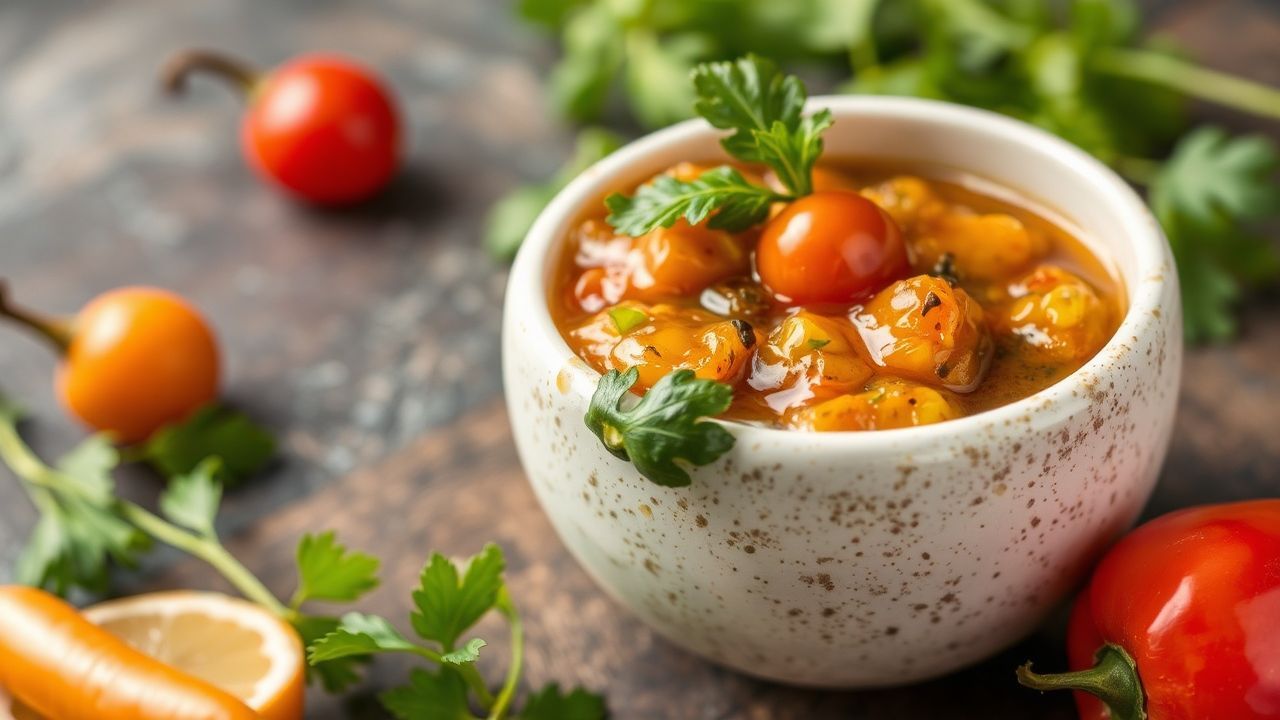

A well-made pepper relish delivers bright acidity, restrained heat, and a rounded sweetness that wakes up simple dishes. This guide walks you through an accessible, testable method to make a zesty & sweet pepper relish that stores well and pairs widely.
- Quick build: Fresh peppers, vinegar, and a touch of sugar make the base.
- Flexible heat: Mix bell peppers with jalapeños or serranos to control spice.
- Make ahead: Flavors improve after 24 hours in the fridge.
The recipe below emphasizes texture and balance so you can tune acidity, heat, and sweetness. Read the timing, preservation tips, and serving ideas before you start so you hit the result you want.
Prep and Cook Time
Preparation: 20 minutes, Cooking: 15 minutes, Total: 35 minutes. These times assume standard home-kitchen tools and medium heat.
Allocate an extra day for resting the relish in the refrigerator to let flavors harmonize. While cooking is brief, resting improves flavor integration and texture stability.
Yield and Difficulty
This batch yields approximately 2 cups, enough to serve 6–8 as a condiment or to top multiple dishes across several meals. Scale the quantities linearly for larger batches.
Difficulty: Easy. The method uses common techniques—dicing, simmering, and tasting—that suit beginner and intermediate cooks. Precision pays off, but nothing here requires advanced skills.
Ingredients
Gather fresh produce and pantry staples for predictable results. Use firm, glossy peppers for the best texture and flavor extraction.
- 1 ½ cups mixed fresh peppers (bell peppers, jalapeños, banana peppers), finely diced
- ½ cup finely chopped red onion
- ¼ cup apple cider vinegar
- ⅓ cup granulated sugar
- 2 tablespoons honey (or maple syrup)
- 1 teaspoon kosher salt
- 1 teaspoon whole mustard seeds
- 1 garlic clove, minced
- ¼ teaspoon smoked paprika
- Pinch crushed red chili flakes (optional)
Swap sweeteners or vinegars to change flavor profile; apple cider vinegar gives a fruity acidity that supports the honey. For background on the vegetable family and varieties, see peppers.
Instructions
Follow these steps to get consistent texture and brightness. Work methodically: uniform dice and controlled simmering matter.
Use a medium saucepan and a wooden spoon. Stirring prevents scorching and encourages uniform reduction of the cooking liquid.
Step-by-step
- Select and prepare fresh peppers: Rinse, core, and finely dice peppers for even pieces that release flavor consistently. Keep seeds if you want extra heat; remove them for milder relish.
- Combine ingredients: Add diced peppers, red onion, vinegar, sugar, honey, garlic, salt, mustard seeds, smoked paprika, and chili flakes to a medium saucepan. Stir to dissolve sugar before applying heat.
- Simmer gently: Bring to a low simmer over medium heat, stirring often. Reduce to low and cook 12–15 minutes until the mixture thickens slightly and peppers soften but retain some bite.
- Adjust seasoning: Taste warm and adjust acidity, salt, or sweetness in small increments. Remember the relish will mellow as it cools, so aim slightly brighter than your final target.
- Texture control: For a chunkier relish, stop here. For a smoother texture, pulse briefly in a food processor or use an immersion blender for short bursts.
- Jar and cool: Transfer hot relish into clean jars, allow to cool to room temperature, then seal. Refrigerate for at least 24 hours before serving to let flavors meld.
Follow safe handling: keep utensils and jars clean and cool jars promptly to lower contamination risk. For extended shelf life consult reliable food preservation guidance.
Tips for Success
Minor adjustments change the relish character considerably, so test small tweaks before committing to a large batch. Use measured changes and document what you try.
For clean knife work, chill the peppers briefly before dicing to firm them up. Consistency in cut size ensures even cooking and a pleasant mouthfeel.
Swap honey for maple syrup to add smoky sweetness, or try brown sugar for deeper caramel notes. However, keep vinegar constant when you test sweetener swaps so acidity remains a control point.
Preservation Advice
Short-term refrigeration is straightforward: store in a sealed jar in the refrigerator for up to three weeks. Cold slows microbial activity and preserves texture.
For longer storage, pursue tested canning instructions from recognized food safety authorities. When canning, follow proven water-bath canning procedures and acidification levels to ensure safety.
For a technical primer on techniques and safe practices, read about food preservation. Proper canning depends on pH control and heat processing guidelines.
Serving Suggestions
This relish works as a finishing condiment and as a component in composed dishes. Its brightness cuts through richness and adds contrast to creamy elements.
Spoon over grilled chicken or fish for acidity and texture. Spread on sandwiches, fold into potato salad, or serve with soft cheeses for a sweet‑heat accent.
Garnish ideas include fresh herbs or toasted seeds for added aroma and crunch. Try basil, cilantro, or toasted sesame seeds depending on the cuisine you pair it with.
Nutrition
Per 2-tablespoon serving, a typical homemade zesty & sweet pepper relish runs around 45 kcal with low fat and modest carbohydrates from sugar and peppers. This makes it a flavorful low-calorie condiment.
Adjust sweetener to lower calories if desired. Replacing some sugar with a non-nutritive sweetener will change texture; test small batches and note results.
| Nutrient | Per 2 tbsp Serving |
|---|---|
| Calories | 45 kcal |
| Protein | 0.5 g |
| Carbohydrates | 12 g |
| Fat | 0.1 g |
Q&A
Below are concise answers to frequent questions from cooks refining a pepper relish technique. Each response focuses on practical adjustments and expected outcomes.
Questions include pepper choices, balancing heat and sweetness, make‑ahead timing, and ease for beginners. Short, actionable responses help you iterate quickly.
Q1: What makes pepper relish a versatile condiment?
A1: Pepper relish combines acidity, sweetness, and spice to create contrast. That contrast brightens fatty or bland dishes, making it a versatile finishing sauce.
Q2: Which peppers achieve a zesty-and-sweet balance?
A2: Use sweet bell peppers for body, banana peppers for mild tang, and jalapeño for controlled heat. Adjust ratios to taste; more bell peppers increase sweetness and reduce heat.
Q3: How long does homemade pepper relish keep?
A3: Refrigerated, a properly handled relish lasts about three weeks. For multi-month storage, use tested canning methods and follow authoritative safety guidelines.
Q4: Can beginners make this recipe successfully?
A4: Yes. The technique requires simple stove-top skills. Measure, taste, and adjust incrementally; that approach yields consistent results for novice cooks.
FAQ
How do I reduce the heat without losing flavor?
Remove seeds and membranes from hot peppers before dicing to cut capsaicin significantly. Additionally, increase the ratio of sweet bell peppers to spicy varieties for balance.
Can I substitute vinegar types?
Yes. Apple cider vinegar gives fruity acidity; white vinegar will be sharper. Adjust sugar and honey slightly when you switch vinegar to rebalance taste.
Is canning necessary for longer storage?
Canning is the standard route for shelf stability beyond refrigeration. However, you must follow certified canning procedures for heat processing and acidity to ensure safety.
Can I freeze the relish?
Freeze in airtight containers for up to six months. Thaw in the refrigerator and stir before serving; texture may soften slightly but flavor will remain strong.
How do I scale the recipe?
Scale ingredients linearly by volume for larger batches. When scaling for canning, use tested recipes and maintain proper acid ratios to preserve safety.
For background on honey composition and culinary uses, see honey. For context on relishes and condiments, review relish and the broader category of condiments.
With these steps, you should make a reliable, flavorful pepper relish that complements a wide range of dishes. Tweak small variables, taste as you go, and document changes to refine your personal version over time.
See also: pepper relish