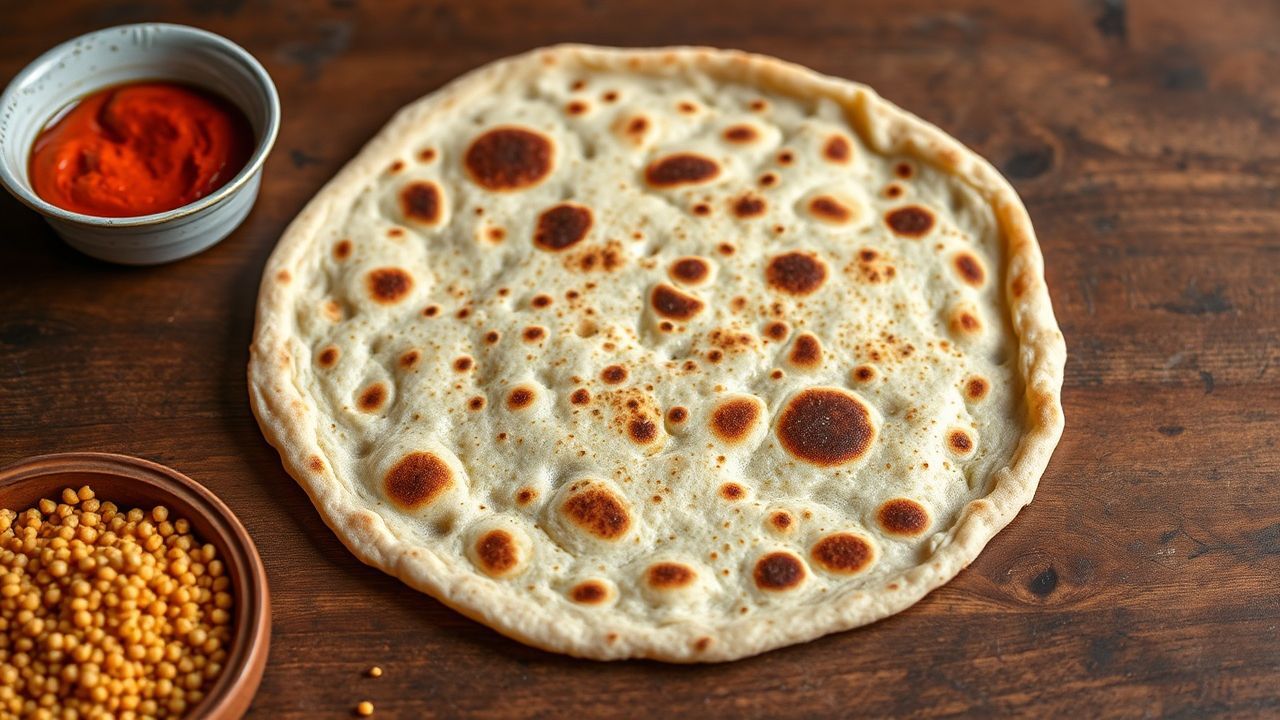

Injera represents a living culinary tradition: a fermented, spongy flatbread that anchors Ethiopian meals and brings people together. This guide focuses on practical, tested techniques to produce consistent texture, true tang, and the visual “eyes” every cook wants.
You will find historical context, ingredient selection, a step-by-step fermentation and cooking method, storage strategies, and chef-level troubleshooting. Every instruction here relies on traditional practice and culinary science to help you master injera at home.
- Key fermentation window: 36–72 hours depending on room temperature.
- Teff choice matters: fresh, finely ground teff yields the best texture.
- Pan temperature: consistent medium-high heat produces characteristic holes.
- Storage: refrigerate up to 4 days; freeze for longer keeping.
The History and Cultural Significance of Injera
Injera serves as both plate and utensil across Ethiopia and Eritrea, and it has deep roots in regional foodways. The bread’s role extends beyond nutrition: it structures communal meals and expresses hospitality in households and festivals.
Scholars trace teff cultivation and fermented flatbreads across the Horn of Africa for centuries. For broader background on regional cuisine and social context, review the Injera and Ethiopian cuisine entries on Wikipedia.
Selecting the Perfect Teff Flour for Authentic Flavor
Teff dictates the final flavor, color, and structure of injera. Use freshly milled, fine teff flour when possible. White teff produces milder notes; brown teff gives a deeper, earthy profile.
Pure teff keeps injera naturally gluten-free, which influences batter viscosity and the way bubbles form during fermentation. Consult the botanical and cultivation details at the Teff (Eragrostis tef) page for context about varieties and growing regions.
Timings, Yield, Difficulty and Ingredients
Preparation: 20 minutes active. Fermentation: 48 hours typical. Cooking: 60 minutes cumulative. Total process spans roughly three days including fermentation rest.
Yield: About 10 large injera (serves 6–8). Difficulty: Medium — the learning curve centers on consistent fermentation and pan temperature control.
Ingredients
Use these quantities as a starting point; scale proportionally for larger batches.
2 cups fine teff flour, 3 cups filtered water (divided), 1 tsp active dry yeast (optional), pinch of salt.
Step-by-Step Guide to Fermenting and Cooking Injera
This method uses traditional sourdough fermentation augmented optionally by a small amount of yeast for predictability in cooler kitchens. Always keep tools and bowls clean to avoid off-flavors.
Work actively but patiently: good injera develops from a controlled fermentation rhythm and even heat while cooking.
Mixing and Initial Fermentation
Combine 2 cups teff with 2 cups water in a large non-reactive bowl. Whisk to a uniform batter free of lumps. Cover loosely with a breathable cloth to allow gases to escape.
Leave at a stable room temperature for 36–48 hours. You should see fine bubbles across the surface and detect a mild, pleasant sour aroma. Warmer rooms speed fermentation; cooler rooms slow it.
Optional Yeast and Final Batter Adjustment
If you need a more reliable rise, dissolve 1 tsp active dry yeast in 1 cup warm water and fold it into the fermented batter. Let it rest 1–2 hours to develop additional lift.
Stir in a pinch of salt before cooking. The batter should flow like a thick crepe batter—fluid enough to spread but not watery.
Cooking Technique
Heat a large non-stick skillet or a traditional mitad griddle to medium-high. The surface must be evenly hot; test by sprinkling a few drops of batter—if they set quickly and form holes, the heat is right.
Pour a ladle in concentric circles to make a thin, even layer. Cover immediately with a lid to trap steam. Cook 2–3 minutes until the top surface shows the characteristic holes and the edges lift. Do not flip; injera cooks on one side only.
Pan and Heat Troubleshooting
If injera lacks eyes (holes), the pan is likely too cool or the batter too thick. Increase heat slightly and thin batter with a tablespoon of water if needed.
If injera burns on the bottom before the top cooks, lower the heat and allow more time under the lid. Consistency comes from repetition and small temperature adjustments.
Tips for Serving and Storing Injera to Preserve Freshness
Serve injera fresh, stacked on a large platter with stews (wats) and vegetable sides. Tear portions with clean hands to scoop sauces; this communal method keeps flavors layered and shared.
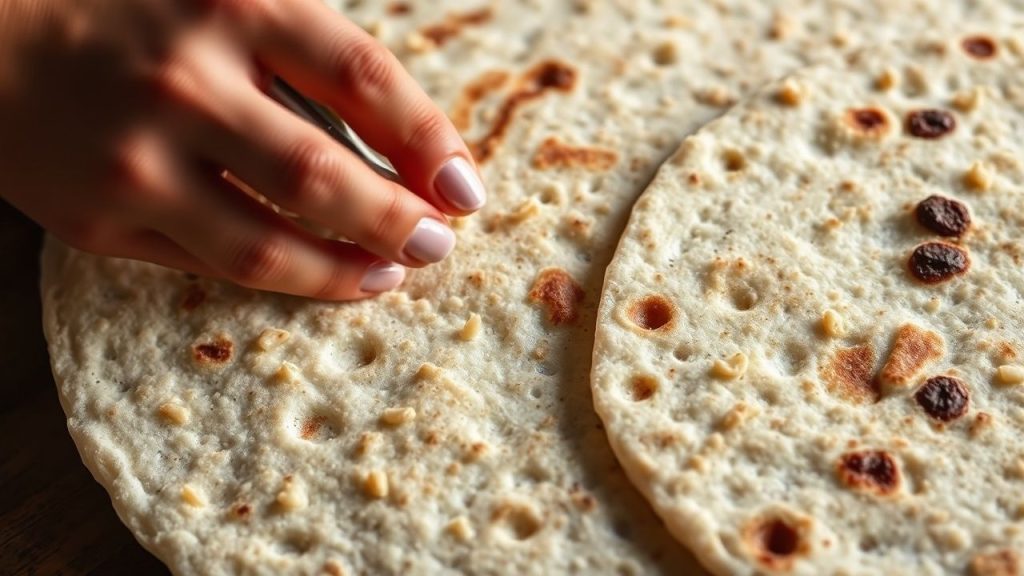
To store, separate pieces with parchment or waxed paper to prevent sticking. Wrap the stack tightly in plastic wrap; refrigerate up to four days, or freeze for longer storage.
When thawing frozen injera, move slowly: thaw in the refrigerator overnight, then bring to room temperature before warming. Rapid temperature shifts hurt texture.
Chef’s Notes and Practical Variations
Keeping a small starter from a previous successful batch accelerates fermentation and deepens flavor complexity. Treat that starter like a living ingredient: feed it periodically if you plan to reuse it.
For cooks stretching supplies, blends with barley or sorghum produce acceptable results but alter flavor and texture. Pure teff yields the most authentic tang and sponginess.
Serving Suggestions
Present injera beneath richly spiced stews such as doro wat or misir wat and mild vegetable sides like atkilt and gomen. The tang and porous crumb balance intense spice and hold sauces efficiently.
Garnish plates with fresh herbs and sliced chiles for contrast. Use injera as an edible plate: tear, scoop, and enjoy the layered interplay of bread and stew.
For additional reading on regional recipes and meal composition within Ethiopia, visit our Ethiopian Cuisine Guide and our practical primer on teff at Teff Nutrition and Uses.
| Nutrient | Per Serving (1 Injera) |
|---|---|
| Calories | 110 |
| Protein | 3g |
| Carbs | 23g |
| Fat | 0.5g |
Common Problems and Fixes
Flat, dense injera: thin the batter slightly and allow a longer fermentation window. Ensure the pan reaches correct heat uniformly before pouring.
Too sour: shorten fermentation time by 12–24 hours, or refrigerate the batter to slow acid development. Too neutral: extend fermentation to encourage lactic acid production.
FAQ
What is injera made of?
Injera traditionally uses teff flour combined with water and fermented to produce a sourdough-like batter. The fermentation creates the tangy flavor and porous crumb that define injera.
How long should injera batter ferment?
Typically 36–72 hours depending on ambient temperature. Monitor bubbles and aroma: active bubbling with a mild sour scent indicates readiness.
Can I use other flours instead of teff?
You can blend barley, wheat, or sorghum with teff to stretch a batch. Pure teff yields the most authentic texture and flavor, but blends remain common in home kitchens.
How do I reheat stored injera without drying it out?
Cover injera with a damp cloth and warm gently over a steamer or microwave on low power. Brief warming restores pliability without making the bread soggy.
Where can I learn more about teff and fermentation methods?
Consult reputable sources on cereal grains and sourdough techniques. Wikipedia entries like Eragrostis tef and Sourdough provide scientific and historical background to complement practical cooking experience.
See also: Injera
- The History and Cultural Significance of Injera
- Selecting the Perfect Teff Flour for Authentic Flavor
- Timings, Yield, Difficulty and Ingredients
- Step-by-Step Guide to Fermenting and Cooking Injera
- Tips for Serving and Storing Injera to Preserve Freshness
- Chef’s Notes and Practical Variations
- Serving Suggestions
- Common Problems and Fixes
- FAQ