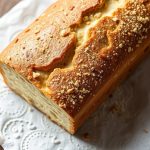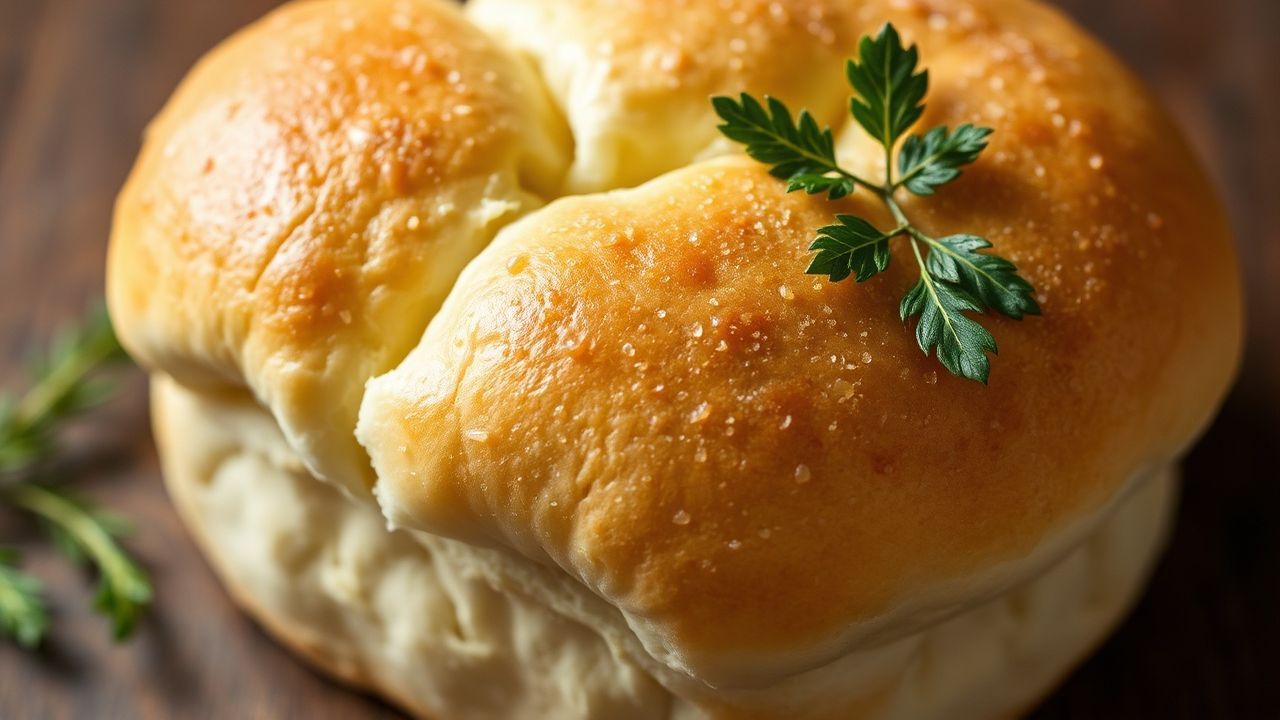

There’s something irresistibly nostalgic about the warm, buttery aroma of freshly baked Parker House rolls filling a kitchen and drawing people to the table. These rolls combine a tender, cloud-like crumb with a glossy, buttery crust that separates ordinary dinners from memorable ones. I present a clear, tested method to reproduce that classic texture and the signature fold at home, with timing, ingredient rationale, and troubleshooting notes for reliable results.
- Yield: 12 rolls; about 2 hours total with two rises.
- Texture goal: soft, open crumb with a golden, buttery top.
- Key steps: warm milk activation, moderate knead, shaped fold, immediate butter finish.
- Storage: store airtight; reheat gently to revive softness.
Background and culinary context
Parker House rolls trace back to Boston’s historic hotel now known as the Omni Parker House. The method—enriching a white dough with butter and folding each portion—creates a unique tender interior and slightly crisp top.
Understanding the basic science helps you reproduce consistent results: enriched doughs rely on fat and sugar to tenderize gluten, while controlled fermentation develops flavor without collapsing structure. For general principles about yeast and fermentation, see yeast.
Prep and Cook Time
Preparation: 20 minutes active. Warm milk and measure ingredients precisely before beginning.
Rising: Two rises totaling about 1 hour 30 minutes (60 minutes first rise, 30–40 minutes second proof). Bake: 15–18 minutes at 375°F (190°C). Total time ~2 hours 10 minutes.
Yield & Difficulty
This recipe yields 12 soft Parker House rolls—ideal for a family dinner or holiday table. The difficulty rates as medium; familiarity with yeast dough and basic shaping helps.
Follow the step sequence and timing. Small adjustments (slightly warmer proof or a minute more bake) adapt to your oven and kitchen humidity.
Ingredients
Use the ingredient list below as your baseline. We keep proportions designed for a tender, enriched dough; scaling affects rising times and bench handling.
- 4 cups all-purpose flour, sifted
- 2 ¼ tsp active dry yeast (1 packet)
- 1 cup whole milk, warm (110°F/43°C)
- ⅓ cup granulated sugar
- ½ cup unsalted butter, softened, plus extra for brushing
- 1 tsp fine sea salt
- 2 large eggs, room temperature
Substitutions: keep at least half the butter for texture; up to ½ cup can be replaced by olive oil for a lighter profile. For partial whole-wheat, replace up to ½ cup of flour with whole wheat without other adjustments.
Instructions
1. Activate the yeast
Combine warm milk (about 110°F) with sugar in a small bowl. Sprinkle yeast on top and let it sit 5–10 minutes until foamy; foam confirms active yeast.
If no foam appears after 12 minutes, the yeast may be inactive—discard and restart with fresh yeast. For background on fermentation and bread, consult bread basics.
2. Mix and form the dough
In a large mixing bowl, whisk flour and salt. Make a well, add softened butter, eggs, and the foamy yeast mixture. Stir with a wooden spoon until dough begins to form; it will be shaggy at this stage.
At this point you may transfer to a stand mixer with a dough hook or continue by hand. Mix until ingredients are evenly incorporated and a rough mass forms.
3. Knead to strengthen gluten
Turn the dough onto a lightly floured surface and knead 8–10 minutes by hand until smooth and elastic. If using a stand mixer, knead 6–7 minutes on medium speed until the dough clears the bowl sides.
Proper kneading builds gluten networks that trap gas for a soft crumb. Avoid excessive flour during kneading; dough should feel slightly tacky but not wet.
4. First rise and handling
Place dough in a greased bowl, cover with plastic wrap or a damp cloth, and let it rise in a warm spot until doubled—about 60 minutes. The dough should hold a gentle indentation when poked.
Punch down gently to deflate, then proceed to divide. Handle dough gently to preserve some gas for lightness during the second proof.
5. Shape, second rise, and bake
Divide dough into 12 equal portions (~60 g each). Roll each into an oval and fold in half lengthwise, pressing the seam lightly without sealing it fully. Place on a parchment-lined baking sheet spaced evenly.
Let the shaped rolls proof 30–40 minutes until puffy. Preheat oven to 375°F (190°C) about 15 minutes before baking. Brush tops with melted butter and bake 15–18 minutes until golden and hollow-sounding on the bottom.
After baking, brush again with melted butter for sheen and extra tenderness. Cool briefly on a rack; serve warm for best texture.
Tips for success
Small technique choices determine the final roll quality. Below are focused, actionable tips that experienced bakers use to replicate bakery-style results consistently.
Use room-temperature eggs and softened butter for even emulsification. Cold fats cause uneven dough and denser crumb.
- Temperature control: Maintain milk ~110°F to wake yeast without thermal damage.
- Knead rhythm: Aim for windowpane test if unsure: a thin stretch without tearing indicates sufficient gluten.
- Proof environment: Proof in a slightly warm, draft-free spot—ovens with light on or a proof box work well.
- Make-ahead: Shape rolls, cover, and refrigerate overnight; bake the next day after a brief warm-up and final rise.
Spacing matters: if rolls are too tightly packed they’ll fuse; too far apart and edges brown excessively. Aim for a small 1/2–1 inch gap when shaping on the pan.
Serving suggestions
Serve Parker House rolls warm with compound butters, jam, or a savory herb butter. They pair exceptionally well with roasted meats and holiday sides; see a related internal guide on holiday sides for pairing ideas.
For a different course, slice and use as slider buns for smoked turkey or ham. Try our related homemade buttermilk biscuits for another tender bread choice that complements these rolls.
Nutrition
Estimated nutrition per roll reflects enriched dough ingredients and a butter finish. Adjust portioning for dietary needs and ingredient swaps.
The table below provides quick at-a-glance values useful for meal planning.
| Nutrient | Per Roll |
|---|---|
| Calories | 150 kcal |
| Protein | 4 g |
| Carbohydrates | 20 g |
| Fat | 6 g |
Troubleshooting common problems
Dense rolls usually indicate under-proofing or over-flouring. Check the dough elasticity and proof until visibly puffy. If the dough collapsed, reduce yeast slightly or shorten first rise next time.
Too-browned tops can come from an oven running hot or sugar on the surface. Lower the temperature by 10–15°F and use an oven thermometer to verify actual heat.
Final notes
Follow ingredient temperatures and timing closely for repeatable success. The combination of enriched dough, gentle kneading, and the classic fold gives Parker House rolls their signature character.
For further reading on professional baking techniques, consult authoritative resources on the fundamentals of baking and butter, which clarify how fats and heat affect crumb and crust.
FAQ
What makes Parker House Rolls unique?
Parker House rolls combine enriched dough (butter, eggs, sugar) with a distinctive fold that creates a soft interior and a slightly crisp, buttery top. The fold traps steam and encourages a tender crumb.
Can I freeze the rolls?
Yes. Freeze fully cooled rolls in an airtight bag up to 3 months. Reheat at 325°F for 10–15 minutes wrapped in foil to restore softness.
How do I keep rolls soft after baking?
Brush with melted butter immediately and store in an airtight container once cool. To refresh, warm briefly in a low oven or microwave wrapped in a damp towel for a few seconds.
Can I make these without eggs?
Eggs add structure and richness; you can omit them but expect a slightly different crumb and color. Replace with an equal weight of unsweetened applesauce or commercial egg replacer for a similar hydration.
Why did my rolls spread apart while baking?
Over-proofed or loosely sealed seams cause separation. When folding, press seams gently but ensure they have enough tension to stay closed as they expand in the oven.
See also: Parker House