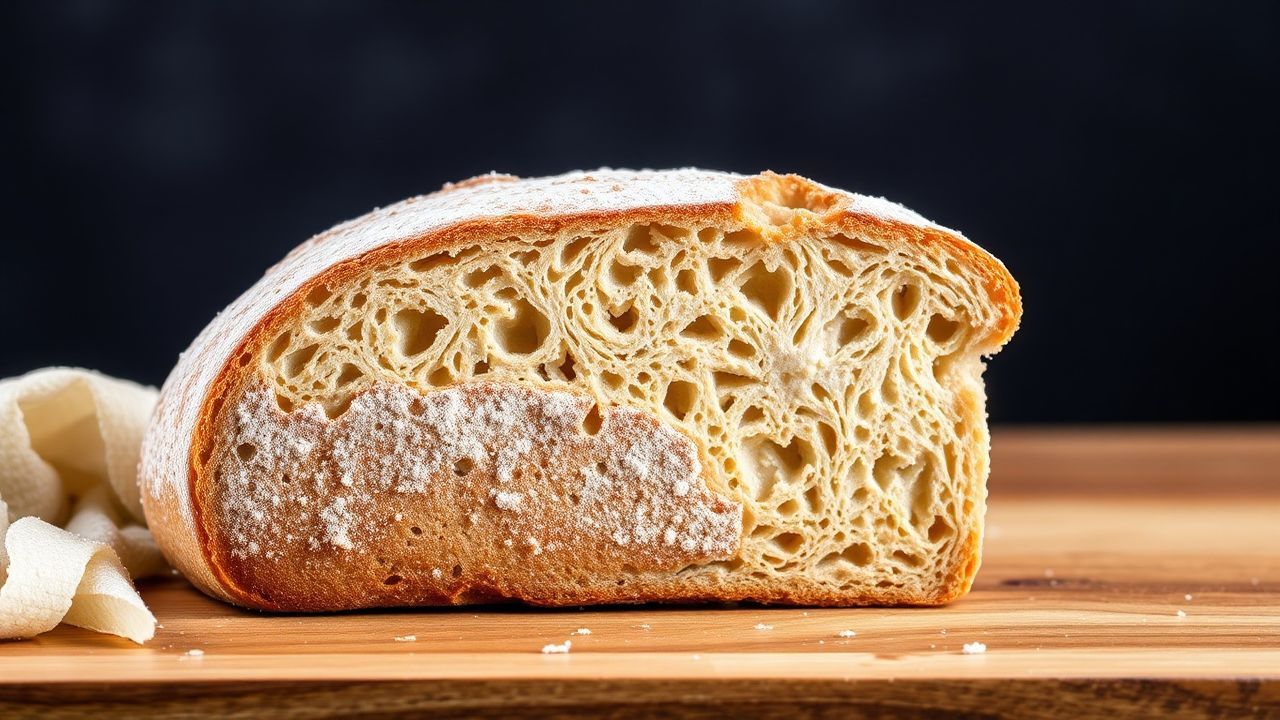

Yeasty bread can be comforting, but when the yeast note dominates a loaf it feels raw or alcoholic rather than pleasant and bready. Home bakers get that strong yeasty hit when fermentation produces excess volatile esters, when yeast dose or proof temperature runs high, or when dough is over-proofed. This guide explains why the aroma appears and how to control it without sacrificing oven spring.
- Fermentation time directly changes which yeast byproducts shape aroma.
- Yeast amount and temperature drive the speed and intensity of those byproducts.
- Cold, slow proofing tames raw yeast notes and builds complexity.
- Minor ingredient tweaks—salt, sugar, flour choice—shift yeast activity and flavor balance.
How Fermentation Time Shapes Yeasty Bread Flavor Profiles
Yeast, most commonly Saccharomyces cerevisiae, metabolizes sugars to produce carbon dioxide, alcohols and organic acids. Those metabolites create a spectrum of sensory notes, from gentle breadiness to sharp, yeasty-alcohol aromas.
Cold, extended fermentation reduces the concentration of volatile esters that read as aggressively yeasty. A longer, cooler bulk or final proof gives enzymes time to break starches into sugars and shift flavor toward malt and acid notes instead of raw yeastiness.
Practical timing: short vs. long fermentation
Short, warm ferments (about 1–3 hours) keep yeast flavors bright and forward. Bakers who want that fresh-from-the-oven yeast aroma intentionally use this approach.
Long, cool ferments (overnight to several days) slow yeast activity and increase organic acids and caramelized flavor precursors. That creates depth and reduces a sharp yeasty bite, especially when paired with reduced yeast dosing.
Practical Controls: Ingredients, Temperature, and Timing for Yeasty Bread
Three immediate controls change how aggressively yeast expresses itself: yeast quantity, salt level, and temperature. Use them to push fermentation speed up or down and to shape aroma outcomes.
Lower yeast and colder proofing slow ester and alcohol production. If you need speed, increase yeast or raise proof temperature, but expect a stronger yeast character as a trade-off.
Yeast dosage and type
Commercial active dry and instant yeasts differ slightly in activation and ester profile. Wild cultures from sourdough starters produce more organic acids and tang that mask raw yeast notes; that effect is common with traditional sourdough methods.
If a formula calls for 2 teaspoons of active dry yeast, try 1 teaspoon with a cold bulk ferment. That reduces the immediate yeasty spike while keeping oven spring when the dough warms near bake time.
Salt, sugar and flour choices
Salt is the most reliable activity regulator. It slows yeast and tightens flavor; cutting salt too far lets yeast run aggressively and increases raw yeast notes.
Sugar feeds yeast and can amplify ester formation if used in larger amounts. Choose flours that contribute balancing flavors: whole grain and rye add savory, toasted notes and help mask excess yeast. See gluten for structure basics.
Recipe and Method: A Balanced 1.5‑Pound Yeasty Bread Loaf
The recipe below gives a baseline to test yeast intensity changes. Use the timing options to dial yeast aroma up or down without changing shaping or oven technique.
Follow the method and change only one variable at a time so you can evaluate its impact objectively. Keep a bake log with times, temperatures and tactile notes.
Prep and Cook Time
Preparation: 20 minutes. Active hands-on time stays low when you let temperature and time do the work.
Fermentation (bulk + proof): 3–12 hours depending on whether you want a brighter or more mellow yeast profile. Baking: 30–40 minutes.
Ingredients
These quantities make roughly a 1.5-pound loaf and scale readily. Use the cold ferment option to reduce yeast intensity.
- 3 ½ cups all-purpose flour
- 1 ¼ cups water — 100°F (38°C) for warm ferment; 50–60°F (10–15°C) for slow ferment
- 2 teaspoons active dry yeast (reduce to 1 tsp for cold ferment)
- 2 teaspoons fine sea salt
- 1 teaspoon sugar (optional)
- 1 tablespoon olive oil (optional)
Instructions
Activate yeast: Sprinkle yeast and sugar into warm water and wait 5–10 minutes until foamy. If no foam appears, the yeast may be weak and you should replace it.
Mix, knead and bulk ferment: Combine flour and salt, add liquids, and knead until smooth (8–10 minutes by hand). Let the dough rise in a lightly oiled bowl: 2–4 hours at room temperature for brighter yeast notes, or refrigerate overnight to mellow flavor.
Shape, proof and bake: Gently deflate, shape, and proof until nearly doubled. Preheat oven to 450°F (230°C), score the top, and bake 30–40 minutes until crust is golden and the loaf sounds hollow when tapped.
Cool: Cool completely on a rack before slicing so steam and volatile compounds dissipate and the crumb sets. Cutting too soon can make the yeast aroma feel stronger.
Chef’s Notes: Tips for Controlling Yeasty Bread Intensity
Small adjustments produce large changes in aroma. Tweak one variable per bake and record the results to understand how yeast behavior changes in your kitchen environment.
Watch dough feel and rise rather than relying solely on clock times. A slightly domed dough that springs back slowly when poked indicates a well-proofed loaf.
Salt remains an underrated flavor controller. If a loaf tastes raw or aggressively yeasty, check salt levels and proof length before adding any sugar to “fix” it.
Serving Suggestions and Pairings for Yeasty Bread
A subtle yeasty note pairs well with butter, soft cheeses and fermented condiments. Slices that taste mildly yeasty often benefit from fat or acid to balance the aroma.
Herbs, olive oil and a sprinkle of flaky salt lift subtle flavors. For stronger counterpoints, serve with tangy mustard, pickled vegetables or aged cheeses that cut through residual yeastiness.
Internal Resources and Further Reading
For variations emphasizing slow fermentation, consult your baking notes or any in-house guides on proofing technique and flavor development. Track temperatures and times to build repeatable results.
When you experiment, include the temperature of your proof space and dough weight in your log. That data makes it easier to replicate a mellow, well-rounded loaf or to dial in a brighter yeast flavor intentionally.
FAQ
Why does my bread sometimes taste overwhelmingly yeasty?
Overwhelming yeastiness usually means fermentation produced excess volatile esters and alcohol. This occurs when you use too much active yeast, proof at high temperatures, or allow dough to over-proof.
Correct it by cutting yeast, cooling the ferment, shortening proof time, or using a cold retard. These steps reduce ester concentration and shift flavor balance.
Is a yeasty flavor always a defect?
A gentle yeasty aroma is desirable and indicates healthy fermentation. It complements crust and crumb when well balanced with salt and Maillard-derived flavors.
Only when the yeast note dominates and tastes raw or alcoholic does it become a defect. Aim for balance using timing and ingredient adjustments.
How do I mellow an overly yeasty loaf after baking?
If the loaf is already baked and tastes too yeasty, serve it with bold accompaniments—butter, cheeses, pickles or cured meats—so the other flavors mask the excess yeast.
For future loaves, reduce yeast dose, increase cold fermentation, or adjust salt to keep yeast activity in check during proofing.
Can different yeasts change flavor?
Yes. Commercial instant yeasts tend to produce cleaner, faster rises, while wild cultures in sourdough create more organic acids and distinct esters. That changes the overall aroma and perceived yeastiness.
Layering methods—using less commercial yeast with a small starter, for example—lets you control intensity while keeping desired tang and depth.
How can I prevent over-proofing in future bakes?
Watch dough rather than the clock: look for gentle doming and a slow spring-back when pressed. Use cooler temperatures or less yeast if over-proofing repeats in your bake log.
Maintain consistent kitchen temperature records and adjust yeast dose across seasons. Those simple controls reduce surprises and help you hit the yeast profile you want.
See also: yeasty bread