
Air Fryer Hacks: Can You Dehydrate Snacks at Home?
Air fryers can do more than crisp fries and reheat leftovers; they can function as compact dehydrators for many snacks. With controlled low heat and steady airflow, you can dry fruits, vegetables, herbs and thinly sliced meats at home.
- At a glance: Air fryers handle low-temp drying, but results vary by model and technique.
- Time & temp: Expect 2–6 hours at roughly 120–150°F (50–65°C) depending on food and thickness.
- Best snacks: Apples, sweet potatoes, kale and thin jerky slices work well.
- Safety: Heat fresh meat to recommended internal temperatures before long-term storage.
How an Air Fryer Mimics Dehydration
Air fryers use a fan-driven convection system to circulate hot air rapidly inside a small chamber. That air movement accelerates moisture loss from food surfaces, which is the same physical principle behind conventional dehydrators.
However, most consumer air fryers heat faster and in a smaller space than dedicated dehydrators. Because of this, controlling temperature and spacing becomes critical to avoid partial cooking or uneven drying.
For context, read about the appliance type on air fryer. For the food-preservation principles underlying drying, see food drying.
Best Snacks to Dehydrate in an Air Fryer
Choose ingredients with relatively low initial water content or slice them thinly to speed drying. Uniform thickness and single-layer spacing give the most consistent results.
Some snacks tolerate the higher airflow and short hot spots of air fryers better than others. Below are high-success candidates and how to treat each one.
Apples and Other Firm Fruits
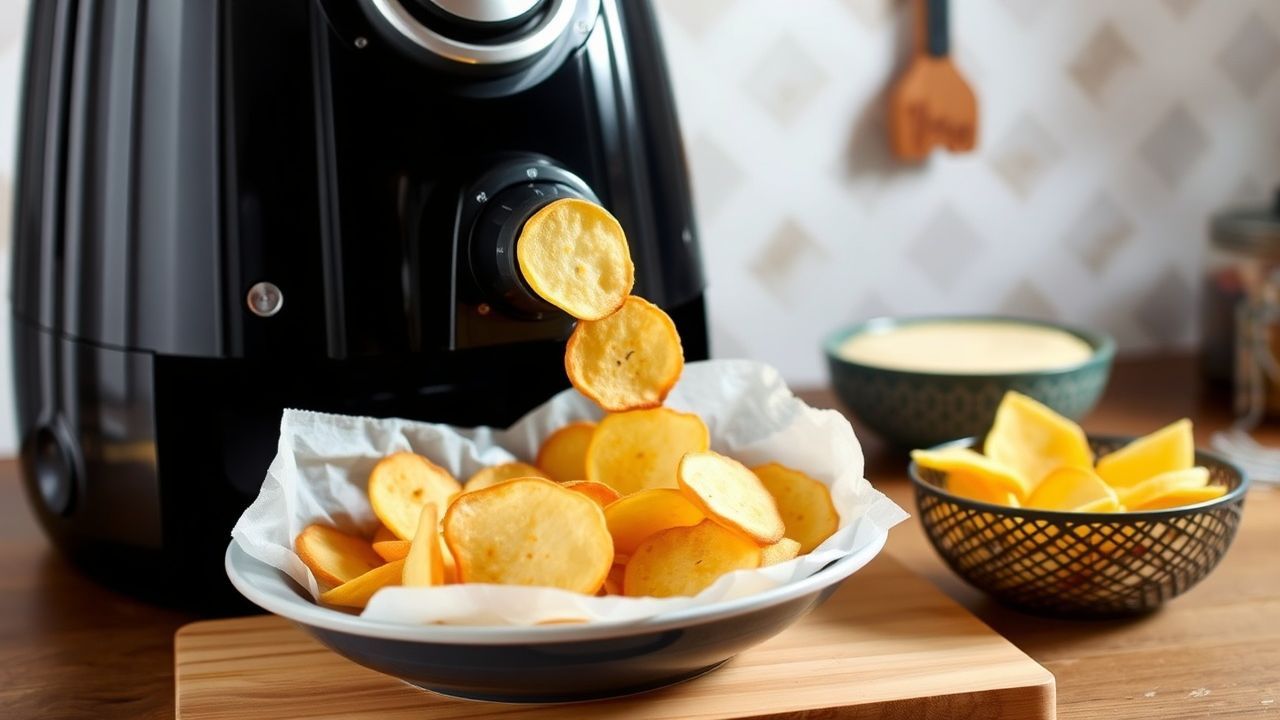
Apples slice thin (2–3 mm) and dry to crisp, with a sweet concentrate of flavor. Toss slices in a light lemon bath briefly to limit oxidation and keep color bright.
Arrange slices in a single layer and rotate trays hourly. Apples typically take 2–4 hours at 130–140°F (55–60°C) to reach crisp, depending on moisture and slice thickness.
Sweet Potatoes and Root Veg
Sweet potato rounds or strips crisp nicely when sliced thin and blanched briefly to set texture. Light oiling improves browning and crunch without adding excess calories.
Expect 3–5 hours at 125–140°F (52–60°C). Flip pieces midway and check for firmness rather than brittleness to avoid over-drying.
Kale and Leafy Chips
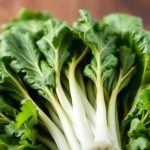
Kale dries very fast because of its low mass and large surface area; keep pieces small and remove ribs to prevent chewiness. A light spray of oil and salt will speed crisping and boost flavor.
Drying often completes in 1.5–3 hours at 120–135°F (50–57°C). Monitor closely so leaves do not brown or burn from hot spots.
Jerky and Thin-Sliced Meats
Lean beef, venison or turkey make good jerky once sliced uniformly and marinated. For safety, precook or bring poultry to 165°F (74°C) and red meat to 160°F (71°C) as part of your drying routine to reduce microbial risk.
Jerky can take 4–6 hours depending on thickness and drying temperature. Use a thermometer probe to verify safe internal temps before storing dehydrated meat long-term.
For background on meat preservation and safety principles, see jerky and food safety.
Step-by-Step Air Fryer Dehydration Workflow
Preparation and consistent methodology produce reliable batches. Follow these procedural steps for predictable texture and flavor.
Use sharp knives or a mandoline for uniform slices, pat pieces dry with paper towels, and preheat the unit to its lowest stable temperature before loading trays.
Setup and Temperature Control
Set the air fryer to its lowest available temperature, typically between 120–150°F (50–65°C). If your model lacks fine control, use a digital oven thermometer to monitor the chamber temperature and adjust as needed.
Lower temperatures preserve enzymes and color better; higher temps speed the process but risk partial cooking. Aim for steady, low-and-slow drying rather than short, hot bursts.
Arrangement and Airflow
Place slices in a single layer with a small gap around each piece for airflow. Avoid stacking or heavy overlap, which traps moisture and invites uneven drying.
If your air fryer supports multiple racks, rotate them every hour to mitigate hot spots. Use parchment or perforated silicone sheets when necessary, but ensure airflow underneath each piece.
Timing and Doneness Checks
Start checking snack doneness after the minimum recommended time for each ingredient. Fruit chips should be crisp or slightly pliable; chips and leaves should be light and crunchy; jerky must be dry but still bendable.
If you detect sticky or moist centers, simply return the pieces to the air fryer for additional intervals of 15–30 minutes and re-check often.
Tips, Tricks and Flavor Hacks
Small adjustments lift homemade dehydrated snacks from good to excellent. Seasonings, slice thickness and pre-treatments significantly affect outcome.
Use spice blends, citrus zest, vinegar-based marinades, or a dusting of nutritional yeast for variety. Try light oiling for root vegetables and salt or sugar sprinkles for fruit chips to optimize texture and taste.
If you want crunchier results, increase airflow slightly by removing a tray or creating more space between pieces. Rotate more often for thicker items to ensure even moisture extraction.
Safety, Storage and Shelf Life
Food safety matters when removing moisture, since improperly dried foods can support microbial growth. Always cool items to room temperature before packaging, and use airtight containers to limit rehydration.
For meats, verify internal temperatures of 160°F (71°C) for red meats and 165°F (74°C) for poultry before storing. Store dried foods in cool, dark places or refrigerate to extend shelf life.
Vacuum-sealing and oxygen absorbers prolong shelf life for homemade snacks. For short-term use, airtight jars or resealable bags kept in a pantry are usually sufficient for fruits and chips.
Serving Ideas and Uses
Dehydrated snacks work as stand-alone treats, salad toppers, or compact travel food. They concentrate flavor and reduce weight, making them ideal for snacking or packing.
Try crushed apple chips as a cereal topper, kale crisps as a salad garnish, and thin jerky strips on grain bowls for savory texture. Pair fruit chips with yogurt dip or nut butter for a balanced snack.
FAQ
Can any air fryer dehydrate foods effectively?
Most modern air fryers can dehydrate small batches if they reach and hold low temperatures with steady airflow. Units with a dedicated dehydration mode simplify this, but manual control works with attention.
How thin should I slice items for even drying?
Keep slices uniform: 2–3 mm for fruits and 1.5–3 mm for vegetables and meats. Consistent thickness ensures pieces finish at the same time and prevents mixed textures.
Is it safe to dehydrate meat in an air fryer?
Yes, when you follow food-safety steps: marinate, slice thin, and ensure meats reach recommended internal temperatures (160°F/71°C for many red meats, 165°F/74°C for poultry). Use a probe thermometer for verification.
How long do dehydrated snacks last?
Storage life depends on moisture removal and packaging. Well-dried fruits and chips can last several weeks at room temperature; vacuum-sealed, they last months. Refrigeration increases longevity.
Should I peel fruits or vegetables before dehydrating?
Peeling is optional: leave peels on for fiber and nutrients unless peel texture affects eating quality. For apples and sweet potatoes, peeling can improve crispness for some recipes.
For an overview of preservation techniques that relate to drying and storage, consult the food preservation entry.
Begin small, test one ingredient at a time, and adjust slice thickness and time until you get consistent results. With a methodical approach, your air fryer becomes a versatile tool for creating wholesome, shelf-stable snacks at home.
See also: air fryer