
berry foraging rewards patience, plant knowledge and seasonal timing. With a practiced eye you find peak-flavored fruit, avoid look-alikes and leave healthy stands for wildlife.
- Berry Foraging: Embracing the Seasons for Foraging Joy
- Seven Key Seasonal Windows for Berry Foraging
- Identification & Safe Picking for Berry Foraging
- Prep, Cook Time and Preservation Strategies
- Yield & Difficulty — What to Expect
- Ingredients for Basic Mixed-Berry Compote
- Instructions
- Tips for Success in Berry Foraging
- Serving Suggestions
- Nutritional Snapshot
- Q&A
- FAQ
- Season windows: seven target periods from late spring through autumn guide efficient harvests.
- Ripeness cues: color, ease of detachment and aroma beat size for flavor prediction.
- Sustainable practice: pick lightly, protect canes and prioritize remote, uncontaminated sites.
Berry Foraging: Embracing the Seasons for Foraging Joy
Seasonal awareness converts casual walks into reliable yields when berry foraging. Track local bloom and fruiting dates to build a dependable harvest calendar.
Latitude, elevation and microclimate shift windows by days or weeks. Keep field notes and photographed comparisons so you refine timing each year.
Seven Key Seasonal Windows for Berry Foraging
Understanding the seven seasonal windows gives you predictable returns when berry foraging. Each window centers on species behavior, chill-hours and heat accumulation.
Plan outings around expected peak weeks rather than fixed dates to adapt for annual weather variation. Repeat visits often catch multiple fruit flushes.
Spring: Early Strawberries and Tender Finds
In early spring you often locate wild strawberries and small alpine raspberries that concentrate sugar in tiny fruits. These are best eaten fresh; they rarely travel well.
Search south-facing banks and open meadows; they warm first and produce fruit sooner than shaded forest floors. Use strawberry references for botanical cues.
Late Spring to Early Summer: Raspberries Begin
Early-to-mid summer brings raspberries into reliable production in most temperate zones. Raspberries often present several flushes so plan return trips to the same patch.
Learn cane structure and drupelet formation to separate edible raspberries from look-alikes. See the raspberry page for leaf and cane details.
Mid-Summer: Blueberry Windows Open
Blueberries respond to accumulated warm days; sweetness and color intensify with heat. Picking too early leaves fruit tart and underwhelming.
Note habitat: heathlands and acidic soils host many wild blueberries. Consult the blueberry entry for species differences and habitat notes.
Late Summer to Early Fall: Blackberry and Late Blueberry Peaks
Blackberries and late-season blueberries often ripen from late summer into autumn, especially after a warm streak. These tend to be larger and heartier for cooking.
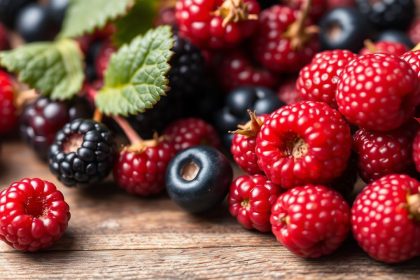
Judge ripeness by deep pigment, gentle pull and intact drupelets. Use the blackberry reference if you need morphological comparisons in the field.
Identification & Safe Picking for Berry Foraging
Correct identification reduces risk and prevents accidental ingestion of toxic look-alikes when berry foraging. Focus on leaf pattern, attachment points and fruit cluster geometry.
Use local field guides and extension resources to confirm species before tasting. Photograph unknown plants and verify with a reliable expert if anything looks uncertain.
Prep, Cook Time and Preservation Strategies
Quick handling preserves flavor: sort, cool and process berries within 24 hours for best aroma and texture. For small-batch compote, preparation plus cooking totals about 35 minutes.
Flash-freeze on a tray to keep berries separate, then bag and label for long-term use. This method preserves fruit shape and eases portioning for later recipes.
Yield & Difficulty — What to Expect
Yield
A mixed-berry compote recipe typically serves six, making it ideal for weekend brunch or shared meals. Small-batch yields minimize waste and keep flavor bright.
Portion choices let you freeze extras in single-serving containers for future use. Label packages with date and content to rotate stock effectively.
Difficulty Level
Cooking a basic compote rates easy: a saucepan, gentle heat and light stirring deliver excellent results. Reliable raw fruit makes the process forgiving.
Foraging skill improves raw quality and simplifies cooking decisions like sugar adjustment or finishing flavor notes.
Ingredients for Basic Mixed-Berry Compote
- 2 cups fresh mixed berries (blueberries, raspberries, blackberries, strawberries), washed and hulled
- 1 cup granulated sugar (or substitute)
- 2 tablespoons freshly squeezed lemon juice
- 1 teaspoon pure vanilla extract
- 1 tablespoon cornstarch (optional)
- 1/4 cup water
Adjust sugar by 25–50% if berries are especially sweet from late-season sun. Acid balance with lemon juice brightens flavor and preserves color.
Instructions
- Combine berries, sugar, lemon and water in a medium saucepan over medium heat, stirring to dissolve sugar.
- Simmer 8–12 minutes until berries soften and liquid reduces to saucy consistency; add cornstarch slurry if needed for thickness.
- Stir in vanilla off heat and let the compote rest; flavors meld as it cools.
- Store chilled in an airtight container up to four days, or freeze single portions for longer storage.
Tips for Success in Berry Foraging
Pick ripe fruit: use color depth and slight give under light pressure to predict sugar content rather than relying on size alone.
Store berries in a single layer and chill promptly; excess moisture accelerates spoilage. Dry fruit gently before packing to extend freshness.
When you document patches, note orientation, elevation and nearby plant indicators for repeatable success. A small field notebook with dates speeds learning across seasons.
Always ask permission on private land and follow local harvesting limits. Overharvesting damages plant populations and reduces future yields for wildlife.
Serving Suggestions
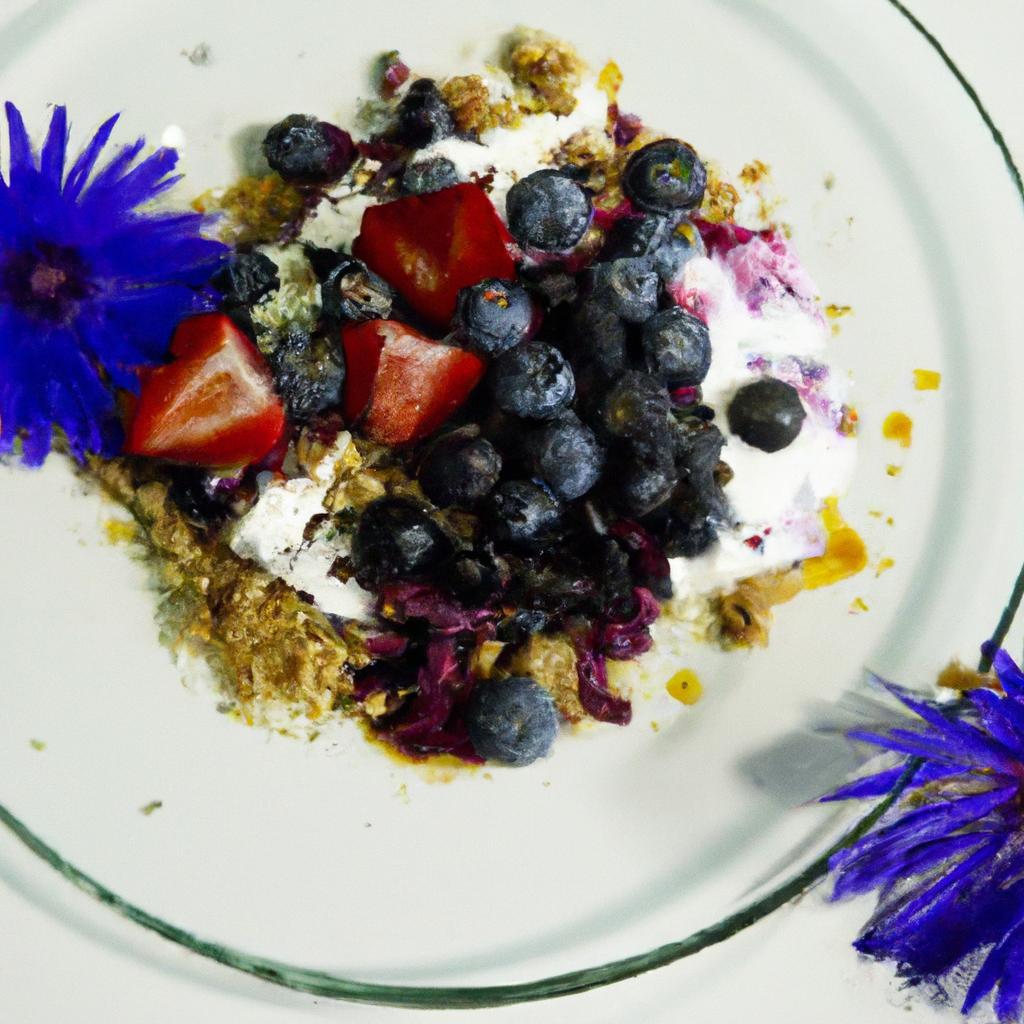
Spoon warm or chilled compote over yogurt, pancakes or ice cream for immediate payoff. Add toasted nuts or granola to introduce texture contrast.
For savory pairings, finish the compote with cracked black pepper or a sprig of rosemary during cooking to create complex sauces for roasted meats or cheeses.
Nutritional Snapshot
Mixed berries supply fiber, vitamin C and polyphenols; a serving of compote reflects a moderate-sugar preparation. Reduce sugar to lower carbohydrate load and preserve antioxidant density.
| Nutrient | Per Serving |
|---|---|
| Calories | 120 |
| Protein | 1g |
| Carbohydrates | 30g |
| Fat | 0g |

Q&A
Q1: What makes berry foraging rewarding?
A: Berry foraging connects you to seasonal changes and delivers fruit at peak flavor. It trains observation skills and deepens local ecological knowledge.
Q2: When are the best seasons to forage berries?
A: Late spring through early fall covers most species, with strawberries earliest and blackberries latest. Local climate shifts those windows annually.
Q3: How can you tell when berries are ripe?
A: Deep uniform color, easy detachment with a light tug and a sweet aroma indicate ripeness. Avoid soft, leaking or moldy fruit.
Q4: Are there ethical rules for berry foraging?
A: Obtain permission on private land, follow local rules, leave food for wildlife and avoid damaging plants. Rotate patches and take modest portions.
FAQ
How do I start foraging safely?
Begin with guided walks or a local foraging group to learn common edible species and toxic look-alikes. Carry a regional plant guide and verify before tasting.
What gear should I bring?
Pack a shallow basket, gloves for thorny canes, a field notebook and water. Small scissors and a folding seat make longer searches more efficient and comfortable.
Can I sell foraged berries?
Commercial sale requires permits and adherence to regional food-safety rules. Check local regulations and ensure traceability and safe handling if you plan to sell.
How do I store surplus berries safely?
Sort and refrigerate within two hours; for longer storage, freeze single layers on a tray then bag. Label with date and contents for rotation.
Where can I learn advanced identification techniques?
Study botanical keys, join native-plant societies, and consult extension services to accelerate accurate identification. Practical experience plus expert review builds confidence.
See also: Berry Foraging | Mixed Berry Compote
Recommended Reading:
- Harvest to Jar: Crafting Perfect Wild Berry Jam at Home
- Wild Grapes Uncovered: A Guide to Foraging Nature’s Bounty
- Crafting Sweet Rose Hip Syrup: A Step-by-Step Guide