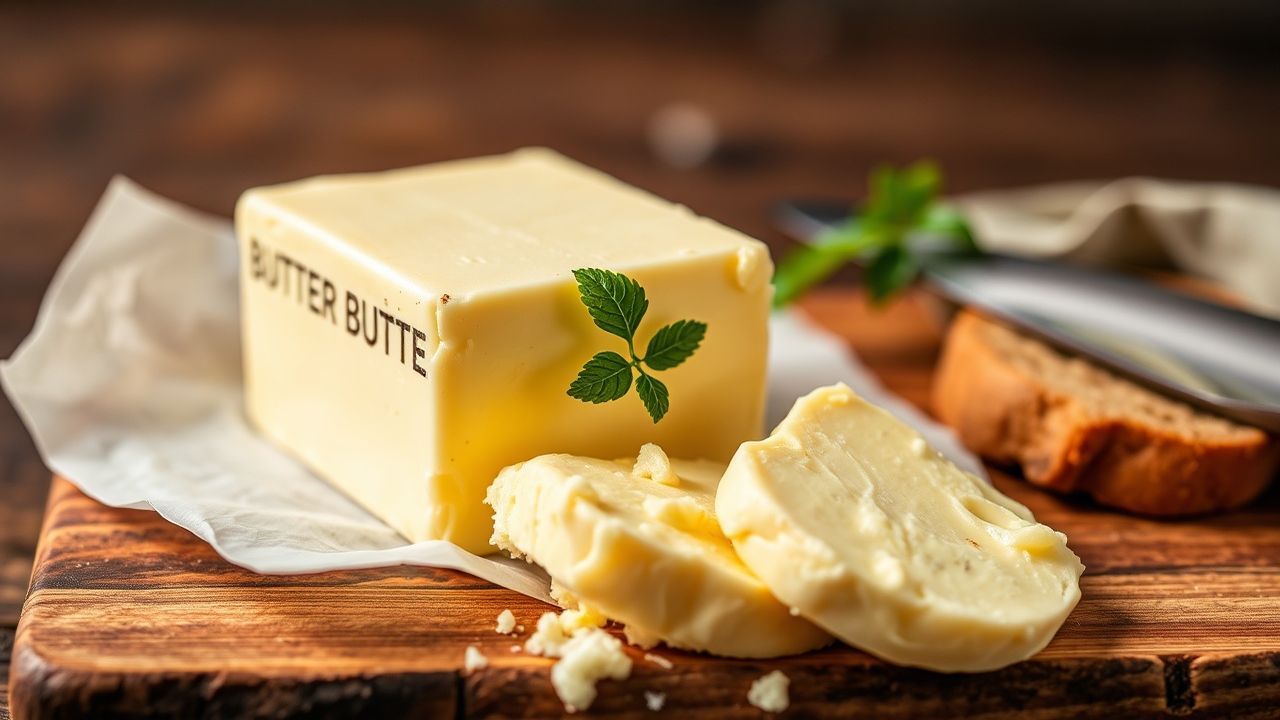

There’s a culinary shortcut that chefs and home cooks use to convert ordinary plates into memorable meals: compound butter. This seasoned butter marries softened butter with herbs, spices, citrus zest, and aromatics to create a concentrated flavor booster. Use a pat to finish steaks, melt it into vegetables, or spread it on warm bread to add layered, immediate flavor.
- Versatile finish: A small amount lifts proteins, vegetables, and starches.
- Make ahead: Roll into logs and freeze for quick portioning.
- Customizable: Herbs, garlic, citrus, and spices create endless profiles.
- High impact: Two tablespoons add richness and aroma without more cooking time.
Unlocking the Culinary Magic
Compound butter amplifies taste by carrying volatile aromatics in a fat matrix so the flavors bloom as it melts. Fat distributes flavor compounds across the palate and delivers aroma, which drives perceived taste.
Chefs use compound butter as a finishing element because it melts quickly and releases concentrated aromatics at the point of service. For technical context, review the fundamentals of butter to understand why butter acts as an effective flavor vehicle.
Recipe Overview: Time, Yield, Difficulty
Prep: 15 minutes yields a highly flavorful log of compound butter ready to chill.
Chill: About 1 hour until firm; freeze faster if you need it set immediately.
Yield: Roughly 1 cup of compound butter (serves about 8 at 2 tablespoons each) and the recipe rates as easy for any home cook.
Ingredients and Technique
Use high-quality, unsalted butter at room temperature for control of seasoning and texture. For herb quality and aroma, consult the basics of herbs and pick the freshest leaves you can source.
Below is a reliable baseline that you can customize with other aromatics and acid elements.
Ingredients
- 1 cup unsalted butter, softened to room temperature
- 2 tablespoons fresh parsley, finely chopped
- 1 tablespoon fresh chives, minced
- 1 teaspoon lemon zest, finely grated
- 1 clove garlic, minced
- 1 teaspoon Dijon mustard
- Salt to taste (about ½ teaspoon)
- Freshly ground black pepper to taste
- Optional: 1 teaspoon smoked paprika or crushed red pepper flakes
Tools and Prep Tips
Use a small bowl, rubber spatula, and plastic wrap or parchment for rolling. A hand mixer speeds incorporation but a sturdy spatula works well for small batches.
If you need to quickly soften butter, use 5-second microwave bursts and check frequently to avoid melting. For aromatic focus, grate citrus with a microplane and mince garlic very finely.
Step-by-Step Instructions
Follow these steps to produce a stable, flavorful compound butter that slices cleanly and melts evenly.
Maintain texture by avoiding overheating and by chilling promptly after shaping.
- Soften the butter: Leave at room temperature about 30 minutes until easily spreadable.
- Mix aromatics: Add parsley, chives, lemon zest, garlic, and Dijon to the butter. Use a spatula or hand mixer to blend into a homogeneous paste.
- Season: Stir in salt, black pepper, and optional spices. Taste and adjust; temperature dulls perception, so recheck after chilling.
- Shape: Spoon the mixture onto parchment and roll into a tight log about 1½ inches in diameter. Twist ends to seal.
- Chill: Refrigerate an hour or freeze 20–30 minutes for faster setting.
- Slice and store: Cut into rounds and use immediately, refrigerate up to 2 weeks, or freeze up to 3 months in an airtight container.
Tips for Success
Use unsalted butter to control salt and avoid over-seasoning when serving with salted proteins.
Fresh herbs deliver brighter flavor than dried; finely chop to avoid fibrous texture in the log.
Creative Serving Suggestions and Pairings
Compound butter functions as a finishing sauce and as a spread. It works equally well on grilled proteins, steamed vegetables, and baked breads.
For seafood, a citrus-forward butter complements delicate flesh. Read about the role of garlic and citrus in balancing fat-driven flavor when designing combinations.
- Steak topper: Place a round on hot steak to melt into a quick pan sauce.
- Vegetable enhancer: Toss asparagus or roasted potatoes with warm rounds for instant flavor upgrade.
- Bread spread: Slather on warm baguette slices or rolls just out of the oven.
- Seafood glaze: Dot fish or shrimp with lemon-garlic butter before broiling for fragrant caramelization.
Storage, Shelf Life, and Food Safety
Compound butter stores well because the fat matrix stabilizes the added aromatics. Keep logs wrapped airtight to prevent oxidation and off-odors in the refrigerator or freezer.
Refrigerated compound butter lasts up to two weeks. For longer storage, freeze in portioned disks for up to three months and thaw in the refrigerator before use.
Nutrition Snapshot
Two tablespoons of compound butter provide concentrated calories and fat. Use it sparingly as a finishing accent rather than a primary fat source.
Because herbs add micronutrients and antioxidants, they increase nutritional value relative to plain butter without changing caloric density.
| Nutrient | Per Serving (2 tbsp) |
|---|---|
| Calories | 200 kcal |
| Protein | 0.2 g |
| Carbohydrates | 0.1 g |
| Fat | 22 g |
Advanced Variations and Pairing Notes
Expand your repertoire by substituting or adding ingredients such as roasted shallots, sun-dried tomatoes, blue cheese, or finely chopped anchovy for umami depth. For citrus notes, experiment with lemon and lime zest in small amounts; they lift flavor without adding acidity.
Match butter profiles to the cooking fat and the main ingredient. For example, a herb-forward butter complements oil-seared chicken, while a garlic-browned butter pairs better with roasted root vegetables.
Related Resources
For recipes that pair well with compound butter, consult our kitchen guides on herb-infused oils and bread recipes. Use these internal resources to build menus that showcase butter finishes across courses.
These internal pages provide techniques and recipe templates that help you scale compound butter for events and weeknight cooking alike.
FAQ
What is compound butter?
Compound butter is butter blended with flavoring elements like herbs, spices, citrus zest, or sweeteners to create a ready-to-use finishing fat. It concentrates flavor and melts to release aroma at service.
How does it differ from plain butter?
Plain butter acts as a neutral fat, whereas compound butter carries additional aromatics and acids. Those added ingredients change the flavor profile and culinary function, creating a finishing sauce effect.
Can I make compound butter ahead of time?
Yes. Roll into logs and chill or freeze. Chill for up to two weeks and freeze for up to three months. Portion into disks to speed thawing and service.
What flavor combinations work best?
Classic combinations include garlic-parsley, lemon-dill, and chili-lime. Try sweet versions with cinnamon-honey or vanilla-orange for desserts and breakfast breads.
How should I store and serve compound butter?
Store airtight in the refrigerator or freezer. Serve at the point of finishing so the aromatics release as the butter melts, creating a glossy, flavored coating on the food.
Butter up your cooking routine with targeted compound butters that match your menu and cooking method. Small portions, bold flavor, and proper storage let you maintain quality and convenience while delivering big taste.
See also: Compound butter