
The Ultimate Guide to Buttermilk Biscuits That Rise Every Time
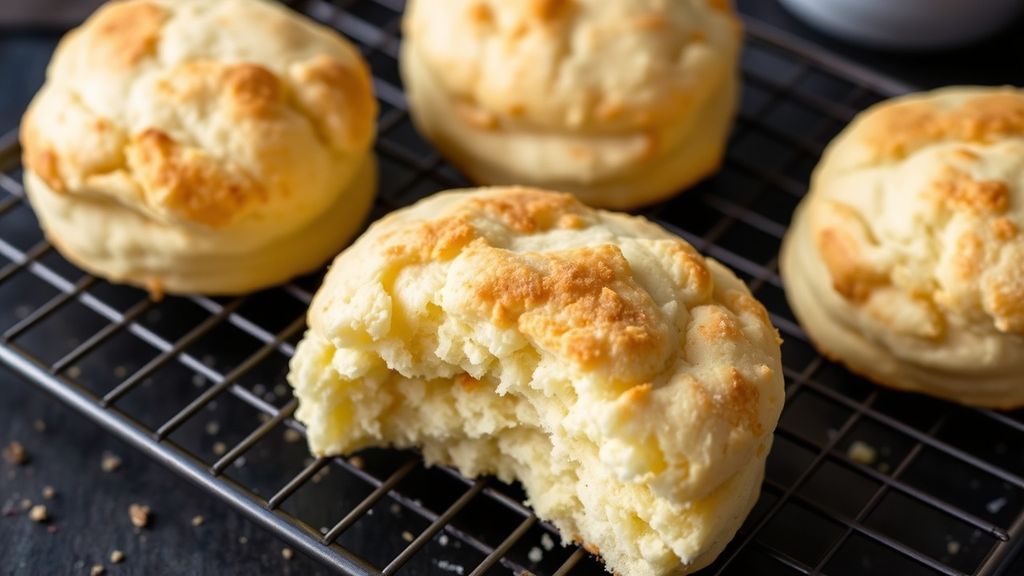
Buttermilk biscuits are simple ingredients executed with precision to yield tall, flaky layers and a tender interior. This guide distills two decades of professional bakery practice into clear technique, a chef-grade recipe, troubleshooting checks, and freezer strategies that work in real kitchens.
- Why Buttermilk Biscuits Rise: The Chemistry Behind the Flake
- Buttermilk Biscuits Recipe: Ingredients (yields 8–10 large biscuits)
- Buttermilk Biscuits Recipe: Step-by-step Method
- Technique Details That Make a Visible Difference
- Common Problems and Fixes
- Variations, Substitutions, and Scaling
- Nutritional Info (approximate per biscuit, recipe yields ~10)
- FAQ
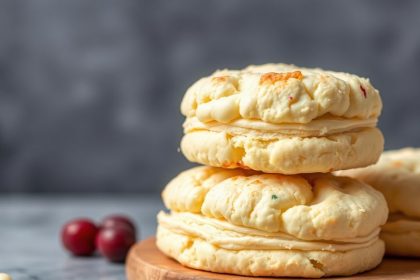
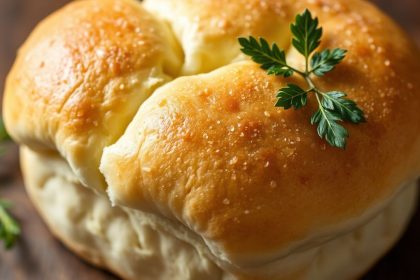
- Pro-tested method: cold fat, minimal handling, and a very hot oven produce dependable rise and visible lamination.
- Ingredient rules: correct leavening ratios and cold, acidic dairy matter more than exotic flour blends for great buttermilk biscuits.
- Technique wins: gentle folds, precise cutting, and brief chilling preserve layers for maximum oven spring.
Why Buttermilk Biscuits Rise: The Chemistry Behind the Flake
Biscuits rise from a controlled mix of chemical leavening and steam. Baking powder offers staged gas release, while baking soda reacts quickly with acid from buttermilk to add lift and improve crust color.
Fat behavior is equally important. Cold, solid fat creates discrete pockets in the dough. As those pockets melt in the oven they produce steam and mechanical separation of layers, which is the basis for tall buttermilk biscuits.
Key leavening ratios and why both agents are used
Use a baseline of roughly 15 g baking powder and 5 g baking soda per 450 g (about 3 1/2 cups) of all-purpose flour. Baking powder supplies the primary, controlled rise while baking soda neutralizes acid and tunes pH for color and texture.
Adjust baking soda downward if your dairy is mild or you use low-acid substitutions. Read about the functional differences on baking powder and baking soda.
Hydration and texture: target numbers
The recipe below targets roughly 360 g buttermilk to 450 g flour — a hydration zone near 75–80% by weight. That produces a shaggy, slightly tacky dough that laminates well without becoming slack.
Hydration varies with flour brand and humidity. Adjust buttermilk tablespoon by tablespoon until dough holds together, and avoid adding excess flour while shaping.
Buttermilk Biscuits Recipe: Ingredients (yields 8–10 large biscuits)
Measure by weight when possible for repeatable results. Weighing stabilizes outcomes across flour brands and altitudes, and it removes guesswork when scaling.
Below are chef-style weights with common volume equivalents. Adjust only a tablespoon at a time when correcting hydration to keep your buttermilk biscuits consistent.
- 450 g (3 1/2 cups) all-purpose flour, spooned and leveled
- 15 g (1 tbsp) double-acting baking powder
- 5 g (1 tsp) baking soda
- 10 g (1 1/2 tsp) fine sea salt
- 115 g (1/2 cup) cold unsalted butter, cubed
- 120 g (1/2 cup) cold lard or vegetable shortening (optional)
- 360 ml (360 g; 1 1/2 cups) cold buttermilk, stirred (plus 1–2 tbsp for brushing)
- 1 large egg (optional, beaten, for richer color and crumb)
Buttermilk Biscuits Recipe: Step-by-step Method
1. Preheat and prep. Heat the oven to 220°C (425°F); reduce to ~200°C (400°F) for convection. Place a heavy pan or cast iron in the oven to preheat, and chill your sheet pan and mixing bowl to keep ingredients cold.
2. Combine dry ingredients. Whisk flour, baking powder, baking soda, and salt until uniform. Even distribution prevents uneven rise and ensures consistent buttermilk biscuits.
3. Cut in fats. Add chilled butter and shortening; use a pastry cutter, two knives, or grate butter on a box grater. Stop when many pieces are the size of peas and some are slightly larger.
4. Add buttermilk. Make a small well, pour most of the buttermilk, and fold with a fork until the dough just comes together. Hold back a tablespoon at a time — you want a shaggy, slightly sticky dough.
5. Build layers with folds. Turn the dough onto a lightly floured surface, pat to ~1 inch (2.5 cm), fold like a letter into thirds, rotate, and repeat once. These short folds multiply layers without developing excess gluten.
6. Cut and place. Press to a final 3/4–1 inch thickness. Use a sharp, non-serrated cutter and press straight down; do not twist. Place rounds touching for taller sides or spaced for crisper edges.
7. Chill briefly and bake. Chill formed biscuits 10–15 minutes if the butter has warmed. Brush tops with buttermilk or beaten egg and bake on the hot pan 12–15 minutes until deep golden and an instant-read thermometer reads 95–100°C (203–212°F) in the center.
Slide the chilled pan onto the preheated skillet or hot sheet pan in the oven to capture immediate bottom heat. Rotate once if your oven shows hot spots.
Technique Details That Make a Visible Difference
Grating or freezing butter reduces hand warmth and produces uniform, cold flakes that laminate well. This is especially useful in warm kitchens or high-humidity conditions when making buttermilk biscuits.
Folding rather than rolling preserves layers. Three gentle folds usually give ample lamination without the complexity of laminated pastry, and they keep the crumb tender.
- Grating vs. cutting: Grated butter stays colder and minimizes handling.
- Folding vs. rolling: Short letter folds multiply layers without building excess gluten.
- Cutter choice: A sharp, non-serrated cutter gives clean edges; press straight down to avoid sealing.
- Pan strategy: Place rounds touching for support during vertical rise; use preheated cast iron for aggressive oven spring.
Common Problems and Fixes
Flat or limp results usually come from expired leaveners, warm dough, or sealed cutter edges. Replace old leavening, chill dough and pans, cut straight down, and confirm oven temperature.
Tough or rubbery texture signals overworking or too much flour. Mix only to combine, weigh flour, and keep dough cold to avoid this problem when you make buttermilk biscuits.
- Pale tops: Increase oven temp slightly or use an egg/buttermilk brush for color.
- Soggy bottoms: Use a preheated skillet or bake a little longer; ensure base heat is strong.
- Soapy/metallic taste: Reduce or omit baking soda when using low-acidity dairy substitutes.
Variations, Substitutions, and Scaling
For a buttermilk approximation, stir 1 tbsp white vinegar or lemon juice into 360 ml milk and let sit 5–10 minutes. This quick acidification supports the baking soda reaction; see the entry on buttermilk for background on the dairy.
Use full-fat plain yogurt thinned with milk for a tangy substitute. Expect slight changes in hydration and tang. For context on traditional forms, review biscuit (bread).
- Cheese/herbs/bacon: Fold small-dice additions sparingly; too much mix-in reduces structural continuity needed for lift.
- Freezing raw biscuits: Freeze formed rounds on a tray, then bag; bake from frozen with 3–5 extra minutes added. See our internal guide to freezing techniques for storage details.
- Scaling: Scale ingredients linearly and weigh everything. Keep baking powder near 15 g per 450 g flour as a baseline for consistent buttermilk biscuits.
Nutritional Info (approximate per biscuit, recipe yields ~10)
Per biscuit estimates vary with fat choices and exact sizes. Use these numbers for menu planning and labeling when you serve buttermilk biscuits.
Modifying fat will change calories and texture; substituting oil reduces lamination and crispness. Choose fats to match the mouthfeel you want.
- Calories: 260 kcal
- Fat: 13 g (Saturated: 7 g)
- Carbohydrates: 29 g (Sugar: 2 g)
- Protein: 4 g
- Sodium: 420 mg
- Fiber: 1 g
FAQ
Why didn’t my biscuits rise even though the oven was hot?
Expired leavening, overworked dough, or sealed cutter edges are common causes. Test your baking powder/soda and chill dough and pans before baking.
Also confirm the oven temperature with a separate thermometer and use a preheated heavy pan for better bottom heat. These steps fix most rise issues with buttermilk biscuits.
Can I make biscuits without butter?
Yes. Shortening or lard yields very flaky, tender results but with less butter flavor. Many bakers use a blend for both flavor and structure.
Keep fats cold and visible in the dough matrix to preserve lamination when using alternatives. This technique works whether you make classic buttermilk biscuits or savory variations.
How should I store and reheat biscuits?
Cool completely, then store airtight at room temperature for up to 2 days. Reheat at 180°C (350°F) for 5–7 minutes for best texture.
Freeze baked biscuits in a sealed bag for up to 2 months; reheat from frozen wrapped in foil at 175–180°C until warmed through. For raw freezing and thaw/bake steps see our internal baking basics resource.
Do I need to use a scale?
A scale gives consistent results across seasons and flour brands and is standard in professional baking. If using volume, spoon and level flour rather than scooping.
Weighing is especially useful when scaling the recipe for larger batches or different altitudes to keep your buttermilk biscuits consistent every time.
How does altitude affect this recipe?
At higher altitudes, reduce baking powder slightly and watch for faster browning. Test a single tray and adjust times and leavening incrementally.
Small changes—about 1/8–1/4 tsp reduction in baking powder per tsp above ~1,000 m—are a practical starting point; adjust after trial bakes.
See also: internal collection on Buttermilk Biscuits
See also: buttermilk biscuits