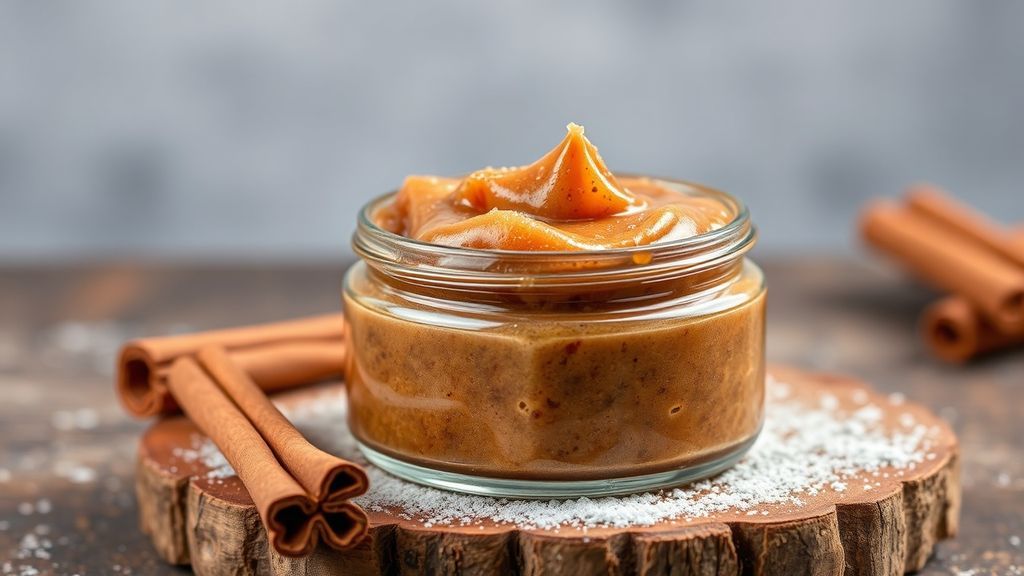

Ultimate 5-Minute Cinnamon Spread — Smooth & Chef-Ready
Cinnamon spread elevates toast, pancakes, pastries and baked goods with immediate warmth and aromatic depth. This formula produces a glossy, jar-ready spread in about five minutes of hands-on time by controlling heat, solubility and fat ratios.
- Ready in 5 minutes: a short, precise sequence that creates a stable emulsion and scoopable texture.
- Metric + Imperial: weights and measures for consistent texture across batches.
- Chef-grade guidance: emulsification, anti-crystallization options and storage for jars or retail packs.
- Scalable: weight-based scaling preserves texture from test batch to production runs.
The Ultimate Homemade Cinnamon Spread
This spread is a controlled emulsion of sugar, spice and fat made for a smooth mouthfeel and reliable jar handling. By combining gentle warming to dissolve sugar and bloom spice oils with measured fat-to-sugar ratios, the texture becomes glossy and scoopable.
Because cinnamon contains volatile aromatics, brief warming increases perceived aroma without adding raw spice. For background on cinnamon chemistry and aroma compounds see cinnamon, which explains why a short heat step improves impact.
Ingredients for Cinnamon spread
Use a scale whenever possible. Weights are primary; volumes are convenient equivalents. Accurate ratios maintain final firmness and mouthfeel during refrigeration.
Core ingredients tune sweetness, fat behavior and aroma. Choose fats and liquids based on target shelf texture and dietary needs.
- 120 g (1 cup) light brown sugar, packed — moisture and molasses depth
- 60 g (1/2 cup, 8 tbsp) unsalted butter, softened — or 60 ml (1/4 cup) neutral oil for dairy-free
- 8 g (2 tsp) ground cinnamon — freshly ground for maximum aroma
- 15 ml (1 tbsp) heavy cream or whole milk — or 15 ml non-dairy milk
- 2 g (1/4 tsp) fine sea salt — balances sweetness
- 2.5 g (1/2 tsp) vanilla extract (optional)
- Optional: 5 g (1 tsp) cornstarch or 1 tsp tapioca starch for thicker, more shelf-stable texture
Ingredient notes: brown sugar contains molasses; packing and humidity affect weight, so always weigh. Butter contributes firmness when chilled; neutral oils change refrigerator texture.
For technical context on dairy fat composition, review butter. That article explains why butter solidifies and helps set texture at refrigerator temperatures.
Detailed Preparation Method for Cinnamon spread
Total hands-on time: roughly 5 minutes. Target temperatures: warm to 40–50°C (104–122°F) to bloom cinnamon oils; avoid exceeding 60°C (140°F) to prevent fat separation and sugar recrystallization.
Follow the sequence precisely and use a thermometer if available. The method relies on dissolving sugar into a thin film of liquid and forming an emulsion so the spread holds together.
1. Place brown sugar and ground cinnamon in a small, heavy-bottomed saucepan. Warm over the lowest flame, stirring constantly for 60–90 seconds. Goal: sugar becomes slightly tacky and cinnamon releases oils. Keep below 60°C to avoid caramelization.
2. Remove from heat. Add softened butter (or oil) and the cream (or non-dairy milk). Whisk vigorously off-heat to emulsify. Warmed sugar dissolves more readily and the off-heat whisk prevents overheating that would break the emulsion.
3. Taste and adjust. Stir in salt and vanilla extract; these small additions sharpen flavor and round mouthfeel. If texture seems too loose, use the optional starch technique below to gently thicken without graininess.
4. Optional starch: Make a slurry of 5 g cornstarch in 5–10 ml cold milk and whisk it into the spread off-heat. Return to very low heat for 15–20 seconds while stirring until slightly thickened, then cool. This forms a starch network that delays weeping and recrystallization.
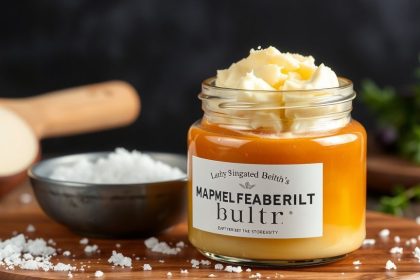
5. Cool for 10 minutes at room temperature, then transfer to a sterilized jar and refrigerate for 20–30 minutes to set. The spread firms as fats solidify; if it becomes too hard, let it sit briefly at room temperature before serving.
For technical reading on sugar physical behavior and solvent properties, consult sugar. For the science of mixing fat and water phases, refer to emulsion.
Nutritional Info for Cinnamon spread
Serving size: 1 tablespoon (15 g). Values depend on exact ingredients and substitutions. Use this estimate as a baseline and recalculate when you change fats or sweeteners.
Approximate nutrition per serving follows; adjust when substituting oils or sugar types. Alternatives such as coconut sugar or sugar replacers will shift calories and hygroscopic behavior.
- Calories: 60 kcal
- Fat: 3.2 g (Saturated fat: 1.9 g)
- Carbohydrates: 8.4 g (Sugars: 7.8 g)
- Protein: 0.1 g
- Sodium: 35 mg
Using neutral oil lowers saturated fat and changes firmness at refrigeration temperatures. Replacing sugar with alternative sweeteners will alter hygroscopic behavior and may require stabilizers like gums or starches.
For guidelines on storage and shelf strategies, review general methods in food preservation. That resource outlines refrigeration, freezing and processing steps relevant to small-batch jarred goods.
Expert Pro-Tips for Cinnamon spread
These pro tips come from pastry practice and condiment development. Small changes in technique produce large textural differences, so maintain ratios for predictable set and scoopability.
Use short, targeted interventions to control crystallization and gloss. Below are practical adjustments that work reliably in home and small-production contexts.
- Fat-to-sugar ratio: maintain approximately 1:2 by weight for a scoopable texture. Increase fat for softer spread; reduce fat for firmer set.
- Crystallization control: add 1 tsp light corn syrup or 1/2 tsp invert sugar to discourage recrystallization. A pinch of starch also interrupts crystal growth.
- Finish emulsification with a brief immersion-blend off-heat for the silkiest result; a 5–8 second blitz breaks micro-granules and yields an ultra-satin texture.
When you observe oiling off, cool immediately and re-emulsify by whisking in a small splash of warm milk. This corrective often reunites the fat and aqueous phases and restores gloss.
For producers scaling beyond home batches, implement standardized recipes, batch logs and sensory checks. Then validate shelf life with microbial and stability testing before selling commercially.
How to Use Cinnamon spread
Use this spread across breakfast and baking applications. Its consistency works for finishing, filling and quick glazes without needing extra sugar or cook time.
Here are reliable service and application ideas that preserve texture and flavor impact. Each suggestion focuses on minimal handling to retain gloss.
- Classic: Spread on warm toast, English muffins or bagels. Pair with cream cheese for a creamy contrast.
- Breakfast: Swirl into oatmeal or porridge for pockets of warmed spice.
- Baking: Use as a filling for cinnamon rolls, fold into muffin batter for streaks of flavor, or pipe into cookie sandwiches.
- Finishing glaze: Thin with a splash of milk or citrus juice to glaze roasted fruit or pancakes.
- Savory-sweet: A thin smear complements aged cheeses or roasted squash in composed plates.
For flavor layering in pastries, consider small additions such as browned butter or citrus zest to lift the profile without overpowering cinnamon. Always test small batches before applying to production runs.
Conclusion: Why this Cinnamon spread works
The recipe isolates the technical levers that determine success: controlled, low heat to dissolve and bloom; measured fat-to-sugar ratios to set texture; and targeted stabilizers to prevent graininess. This sequence delivers predictable texture and aroma.
Following weight-based scaling and the emulsification sequence produces reproducible results from small home batches to scaled runs for retail, while preserving chef-level aroma and texture.
FAQ — Cinnamon spread
This FAQ answers common production, storage and substitution questions for home cooks and small producers. Questions are structured for quick scanning and implementation.
How long does homemade Cinnamon spread keep, and how should I store it?
Store in a clean, airtight jar in the refrigerator. Expect optimal quality for 2–3 weeks for butter-based versions; always use clean spoons to avoid contamination.
For longer storage, portion into freezer-safe containers and freeze up to three months. Thaw overnight in the refrigerator and stir before serving to restore texture.
Can I make a vegan Cinnamon spread without losing texture?
Yes. Replace butter with refined coconut oil for a firmer chilled set or a neutral oil for a softer spread. Use non-dairy milk for the liquid element.
Add 1/2–1 tsp tapioca or cornstarch as a slurry for thicker body. Expect a slightly different mouthfeel because oils remain softer at refrigeration temperatures compared with butter.
Will the Cinnamon spread crystallize over time?
Sugar recrystallization can occur with temperature fluctuations or if sugar isn’t fully dissolved. Prevent this by dissolving sugar in warm liquid and adding a small humectant like light corn syrup.
If crystals develop, gently reheat with a splash of liquid and whisk until smooth, then cool while stirring to re-establish a fine texture. This restores gloss and mouthfeel.
Can I scale the Cinnamon spread recipe for jars to sell?
Scale linearly by weight to preserve ratios. Implement standardized recipes, batch logs and sensory checks to maintain quality during scale-up and ensure repeatability.
For commercial sale, validate shelf life with microbial and stability testing, apply proper labeling and comply with local food-safety regulations. Consult a food-safety specialist before distributing at scale.
What substitutions change flavor without breaking the Cinnamon spread?
Coconut sugar brings deeper, caramel-like notes; add a touch more liquid to counter dryness. Orange zest adds lift — use sparingly to avoid bitterness.
Small pinches of cardamom or nutmeg complement cinnamon and create a bakery-style spice profile. Trial small batches before scaling substitutions to production quantities.
See also: Cinnamon spread resources and recipe testing notes for small-batch production.
See also: Cinnamon spread