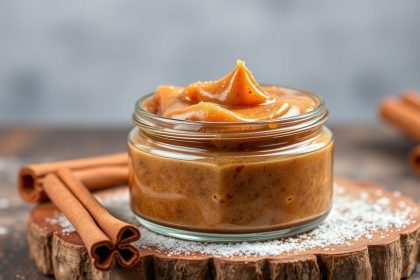
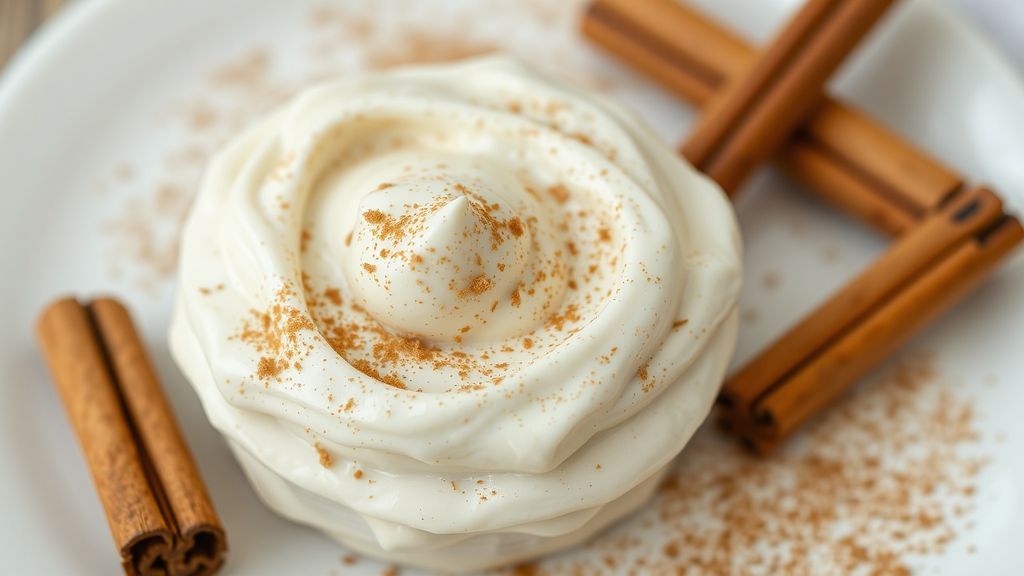

3-Ingredient Cinnamon Spread — Bakery-Level in 5
Cinnamon Spread turns ordinary toast into a bakery-style bite using only butter, sugar, and ground cinnamon. The fat in butter carries volatile aroma compounds evenly, so each bite registers the same warm, rounded flavor.
- 3-Ingredient Cinnamon Spread — Bakery-Level in 5
- Why Cinnamon Spread Became a Breakfast Classic
- Cinnamon Spread Ingredients (3 Simple Staples)
- How to Make Cinnamon Spread (Step-by-Step, No Cooking)
- Serving Ideas for Cinnamon Spread (Beyond Toast)
- Storage, Food Safety, and Make-Ahead Tips for Cinnamon Spread
- Nutritional Information (Per Serving)
- Expert Pro-Tips to Make Cinnamon Spread Taste Bakery-Level
- Quick Note on Cinnamon: What It Is (and Why It Matters)
- Where to Add Internal Links (for Strong Site Structure)
- FAQ: Cinnamon Spread
- Ready fast: Mixes in under 5 minutes with no cooking required.
- Consistent flavor: Butter distributes cinnamon and sugar so every bite is balanced.
- Texture control: Adjust butter temperature and mixing time to go fluffy or dense.
- Versatile: Use on toast, pancakes, waffles, baked fruit, or as a filling.
Why Cinnamon Spread Became a Breakfast Classic
Cinnamon Spread sits in the same comfort lane as cinnamon toast and bakery pastries: sweet up front, warm spice in the middle, and a buttery finish that feels familiar. Fat carries aromatic molecules and coats the palate, producing a fuller aroma and mouthfeel than dry cinnamon sugar sprinkled on top.
Butter binds sugar and spice so the topping adheres and melts into warm bread rather than falling off. The result reads as handcrafted and consistent, which explains why it tastes café-level even when you make it at home.
The Flavor Science Behind Cinnamon Spread
Many of cinnamon’s aromatic molecules dissolve preferentially in fat; blending the ground spice into butter extracts and carries those volatile notes efficiently. For further background on the spice itself, see cinnamon.
Sugar moderates cinnamon’s sharp edges while adding sweetness; butter supplies mouthfeel and aroma transport. Together they deliver a layered profile: sweet first, warming spice then, and a creamy finish that lingers.
Cinnamon Spread Ingredients (3 Simple Staples)
With only three components, the final result depends on ingredient quality and particle size. Choose a soft, neutral butter and a fine sugar so crystals dissolve into the fat rather than remain grainy.
For quick reference on the fat and sugar used in kitchen work, see butter and sugar.
Ingredient List (Metric + Imperial)
Unsalted butter (softened): 113 g (1/2 cup, 1 stick). Soft, matte butter incorporates best. Use unsalted butter so you control seasoning.
Granulated sugar (fine): 50 g (1/4 cup). Use caster sugar or pulse standard sugar for smoother crystals to avoid a sandy mouthfeel.
Ground cinnamon (fresh, fragrant): 8 g (about 1 tablespoon). Freshly opened cinnamon smells like warm baking; older spice loses volatile top notes.
Best Ingredient Choices for a Smoother Cinnamon Spread
Unsalted butter gives control over salt; salted butter is acceptable if you prefer a richer, cinnamon-roll style but then skip extra salt elsewhere. Softer, matte butter mixes cleanly and stays stable when spread on warm bread.
Fine sugar dissolves into softened butter and prevents grit. If you only have standard granulated sugar, pulse it briefly in a blender or grinder to reduce crystal size and improve mouthfeel.
[WARNING]Pro-Caution: Cinnamon in high amounts can irritate sensitive mouths, especially in dry mixtures. Reduce the cinnamon slightly if you notice tingling or burning.
How to Make Cinnamon Spread (Step-by-Step, No Cooking)
The technique is brief but precise: butter temperature and mixing order determine texture and spreadability. Follow the steps below to achieve a bakery-style finish without cooking.
Properly softened butter emulsifies with sugar; add cinnamon last so it disperses evenly and avoids clumps. Use short, decisive mixing to incorporate without overheating the fat.
Preparation Method
Step 1: Soften the butter correctly
Let butter sit at room temperature for 30–45 minutes until it yields to gentle pressure but is not melting. The butter should be pliable and matte for best incorporation.
If you’re short on time, cut the butter into small cubes and let them stand for 15–20 minutes; this speeds softening without melting the fat and keeps the texture predictable.
Step 2: Cream butter and sugar
In a small bowl, beat the butter and sugar for 60–90 seconds with a spoon, spatula, or hand mixer. You want a lighter color and a slightly aerated texture without generating heat.
Creaming introduces micro air pockets and gives a lighter mouthfeel; for a denser, bakery-style profile, mix only until the sugar integrates and then chill briefly.
Step 3: Add cinnamon and mix until uniform
Sprinkle in the ground cinnamon and mix until the color is uniform with no streaks. Scrape down the bowl once or twice to avoid concentrated pockets of spice.
If you see clumps, press them against the bowl to break them up and mix again. Consistent mixing ensures each swipe tastes identical.
Step 4: Taste and adjust
Taste a small amount and adjust sweetness by adding 1–2 teaspoons sugar if desired. Add cinnamon in 1/4-teaspoon increments for extra warmth rather than dumping a larger amount at once.
If the spread feels stiff, let it sit at room temperature for 5–10 minutes and stir again. Avoid microwaving; uneven heating produces oily separation and an inferior texture.
Chef’s Notes: Texture, Spreadability, and Serving
For a fluffier texture, beat an extra 30–60 seconds and serve immediately. For a denser, bakery-style profile, stir only until uniform and chill 15–20 minutes before using.
Spread onto warm — not scorching — toast so it softens into the crumb and releases aroma. Let toast rest 30–60 seconds after toasting so the spread melts into the surface instead of pooling oil.
Serving Ideas for Cinnamon Spread (Beyond Toast)
Treat Cinnamon Spread as a finishing butter: it adds sweetness, spice, and richness and melts attractively over warm surfaces. That makes it ideal for pancakes, waffles, and roasted fruit as a quick finishing touch.
For context on related breakfast items that pair well with the spread, see pancake and waffle.
Fast Ways to Use Cinnamon Spread
Spread on toast or bagels for classic cinnamon-sugar comfort; the butter helps the topping adhere and prevents crumb loss. Dotting the spread on pancakes or waffles lets it melt into pockets for bursts of cinnamon on each bite.
Add to warm apples or pears for a fast rustic dessert with minimal prep. Use small dabs on baked fruit so sugar caramelizes slightly under the heat and intensifies flavor.
Cinnamon Spread as a Simple Filling or Swirl
Soften the spread just enough to be workable, then swirl into porridge or smear inside pre-baked pastry shells. For rolled pastries, dot the spread, roll tightly, and bake at moderate heat so the sugar browns without leaking excessively.
Keep layers thin when using inside doughs; thick layers can melt and leak during baking or grilling. For grilled sandwiches, add a thin layer and cook over medium heat so the sugar browns gently and flavor amplifies.
Storage, Food Safety, and Make-Ahead Tips for Cinnamon Spread
Because the spread is mostly butter and sugar, it keeps well but varies with temperature. Refrigeration provides predictable texture and extends shelf life, while room-temperature storage suits same-day use in cool kitchens.
Spoon into a clean jar or airtight container and refrigerate. Label the container with the date; use within 7–10 days for peak quality.
How to Store Cinnamon Spread
Store in the fridge and remove 15–20 minutes before serving so it softens evenly without separating. Avoid repeated warming and cooling cycles; condensation and crumbs shorten shelf life and invite off-flavors.
If your kitchen is cool and you’ll consume the spread within 24 hours, room-temperature storage in a covered dish is acceptable. Otherwise, keep it chilled and use a clean utensil each time to prevent contamination.
Can You Freeze Cinnamon Spread?
Yes. Freeze for up to 2 months. Portion into small rounds on parchment or press into a thin slab and wrap tightly so you can break off what you need.
Thaw overnight in the refrigerator. Avoid microwaving to thaw; rapid heating causes separation and an oily texture that reduces overall quality.
Nutritional Information (Per Serving)
Estimates assume standard ingredients and a serving size of 1 tablespoon (about 14 g), with a batch yielding roughly 12 servings. Values vary slightly by brand of butter and sugar used.
Typical estimates: ~80 kcal per tablespoon, ~6 g total fat, ~4 g saturated fat, ~6 g carbohydrates (mostly sugar), negligible protein, and sodium depending on the butter choice.
Expert Pro-Tips to Make Cinnamon Spread Taste Bakery-Level
Most failures come from stale spice or coarse sugar. Fixes are simple: fresher cinnamon and smaller sugar crystals deliver an immediate quality boost and improved mouthfeel.
Control butter temperature precisely: cool-soft (pliable, matte) butter stays stable and produces a cohesive spread; too-warm butter separates when it meets heat from toast.
Pro Techniques
Whip longer for lift; beat less for density. Add a tiny pinch of salt when using unsalted butter to brighten flavors without adding overt saltiness.
For the smoothest finish, sift ground cinnamon if clumps appear. Briefly pulsing granulated sugar in a blender reduces graininess without altering recipe weight.
Quick Note on Cinnamon: What It Is (and Why It Matters)
Cinnamon is the dried inner bark of trees in the genus Cinnamomum; species differ in sweetness, heat, and tannic notes. Different species and ages of ground spice produce perceptible changes in small recipes like this spread.
Replace ground cinnamon every 6–12 months for best aroma and potency. For taxonomy and sourcing background, see Cinnamomum and cinnamon.
Where to Add Internal Links (for Strong Site Structure)
Link from serving ideas to related breakfast recipes like pancakes and waffles to guide readers to natural next steps. Anchor text should match the user intent, for example “pancake toppings” or “waffle spreads”.
In the storage section, link to a compound-butter guide or a freezer-friendly leftovers post. In pro-tips, link to pages on spice storage or cinnamon sourcing to deepen topical coverage within the site.
FAQ: Cinnamon Spread
Why is my Cinnamon Spread gritty?
Grittiness usually means the sugar crystals didn’t break down into the butter. Make sure the butter is fully softened and mix longer to incorporate the crystals evenly.
Switch to caster sugar or pulse granulated sugar briefly in a blender to remove coarse texture and yield a silkier spread.
Can I make Cinnamon Spread without a mixer?
Yes. Use a sturdy spoon and a flexible spatula with properly softened butter and press the butter against the bowl sides to break up crystals. Work in small batches for better control.
For the smoothest result by hand, use a whisk or fork to aerate slightly if you want a lighter texture; it takes more elbow grease but delivers a good result.
How do I keep Cinnamon Spread from separating on hot toast?
Separation happens when butter was too warm during mixing or toast is too hot. Use cool-soft butter and spread onto toast that has cooled 30–60 seconds after toasting.
Avoid microwaving the spread to soften, because microwaves generate hot spots that push fat out of the emulsion and create oily puddles.
Is Cinnamon Spread the same as cinnamon butter?
They are closely related. Cinnamon butter recipes sometimes use powdered sugar for a smoother, frosting-like result or include extra flavorings; this recipe uses granulated sugar for a classic, slightly crystalline bite.
Adjust to preference: powdered sugar yields a softer, whippier spread; granulated sugar gives a more traditional toast texture and a subtle crunch.
How long does Cinnamon Spread last in the fridge?
Stored in an airtight container, it keeps 7–10 days at optimal quality. Use a clean knife each time to avoid introducing crumbs or moisture which shorten shelf life.
If the spread picks up strong fridge odors or shows condensation after repeated warming and cooling, discard and make a fresh batch to ensure the best flavor and safety.
See also: Cinnamon Spread