
Decadent Creamy Wild Mushroom Pasta: A Step-by-Step Guide
The marriage of earthy wild mushrooms and a velvety cream sauce yields a dish that reads like a culinary sonnet. With attentive technique you can coax bold umami and silk-smooth texture from simple ingredients to create a restaurant-quality pasta at home.
- Use a variety: Mixing mushroom types increases texture and flavor complexity.
- Sear for flavor: High-heat browning produces concentrated savory notes.
- Finish with starch: A little reserved pasta water bonds sauce and pasta into one cohesive bite.
- Elevate at the end: Fresh cheese and herbs sharpen and lift richness.
Wild mushrooms are central to the dish; when sourcing, rely on trusted suppliers or foragers to ensure edible quality. For background on fungal morphology and culinary varieties, see mushrooms on Wikipedia.
Prep and Cook Time
Prep Time: 15 minutes. Organize mise en place: slice mushrooms uniformly and measure the cream and cheese before you heat the pan.
Cook Time: 25 minutes. Execute searing, deglazing, sauce reduction, and pasta finish with attention; timing controls texture and concentration.
Total Time: 40 minutes. This schedule yields consistently al dente pasta and a silk-coated sauce.
Yield
This recipe serves 4 generous portions. Portion control depends on appetite and whether you pair with sides.
Adjust quantities linearly: double ingredients for eight portions, but cook mushrooms in batches to avoid steaming them.
Difficulty Level
Medium. The techniques involved—high-heat searing, deglazing, and emulsifying sauce—require attention but reward precise execution with superior flavor.
Home cooks comfortable with timing and heat management will find this recipe straightforward; novices can follow each step conservatively for reliable results.
Ingredients
Gather all items before starting. Using the right cheese and pasta shape helps the sauce cling and finish properly; learn more about traditional cheese varieties at Parmigiano-Reggiano.
- 300 g wild mushrooms (chanterelles, porcini, shiitake, oyster), cleaned and sliced
- 400 g fettuccine or tagliatelle pasta
- 3 tbsp unsalted butter
- 2 tbsp extra-virgin olive oil
- 1 small shallot, finely minced
- 3 cloves garlic, minced
- 1/2 cup dry white wine
- 1 1/2 cups heavy cream
- 1/2 cup freshly grated Parmesan
- 1 tsp fresh thyme leaves
- Salt and freshly ground black pepper to taste
- Fresh parsley, finely chopped for garnish
- Truffle oil (optional, for finishing aroma)
Pick a ribbon pasta so the sauce adheres well; read about the classic form at fettuccine.
Instructions
Work in stages: prepare mushrooms, sear, build the sauce, cook pasta, then marry components. Use a large skillet and reserve pasta water to adjust viscosity.
Maintain medium-high heat for searing and medium for sauce simmering. Control heat to avoid breaking the emulsion or scorching dairy.
1. Choosing and preparing wild mushrooms
Inspect each specimen for firmness and a fresh, earthy aroma. Gently brush debris off with a paper towel or soft brush rather than rinsing to preserve texture.
Trim stems as needed and slice to uniform thickness. Combining fresh and rehydrated dried mushrooms can deepen umami and complexity.
2. Searing and building fond
Heat 2 tablespoons olive oil and 1 tablespoon butter in a wide skillet until shimmering. Add mushrooms in a single layer and let them brown undisturbed for 2–3 minutes per side.
Work in batches if the pan becomes crowded; overcrowding creates steam and prevents Maillard reaction. Reserve browned bits (fond) for deglazing.
3. Aromatics and deglazing
Reduce heat to medium, add minced shallot and garlic, and sweat until translucent and fragrant, about 1–2 minutes. Avoid browning the garlic to prevent bitterness.
Pour in the white wine and scrape the pan to lift the fond; reduce the wine by half to concentrate flavor and remove alcohol volatility.
[h3]4. Crafting the creamy sauce[/h3]
Stir in heavy cream and thyme and bring to a gentle simmer. Maintain low simmering intensity to thicken the cream without separating it.
Add grated Parmesan and whisk until smooth; season with salt and pepper. Remove from heat a touch early—residual heat and pasta will finish the sauce consistency.
5. Perfecting and finishing the pasta
Bring a large pot of heavily salted water to a boil and cook pasta 2 minutes shy of package instructions for ideal al dente. Reserve 1 cup of pasta water before draining.
Toss hot pasta into the skillet with the sauce, adding reserved water a splash at a time to achieve a glossy, clingy emulsion. Toss vigorously to integrate sauce and starch.
6. Plating and finishing touches
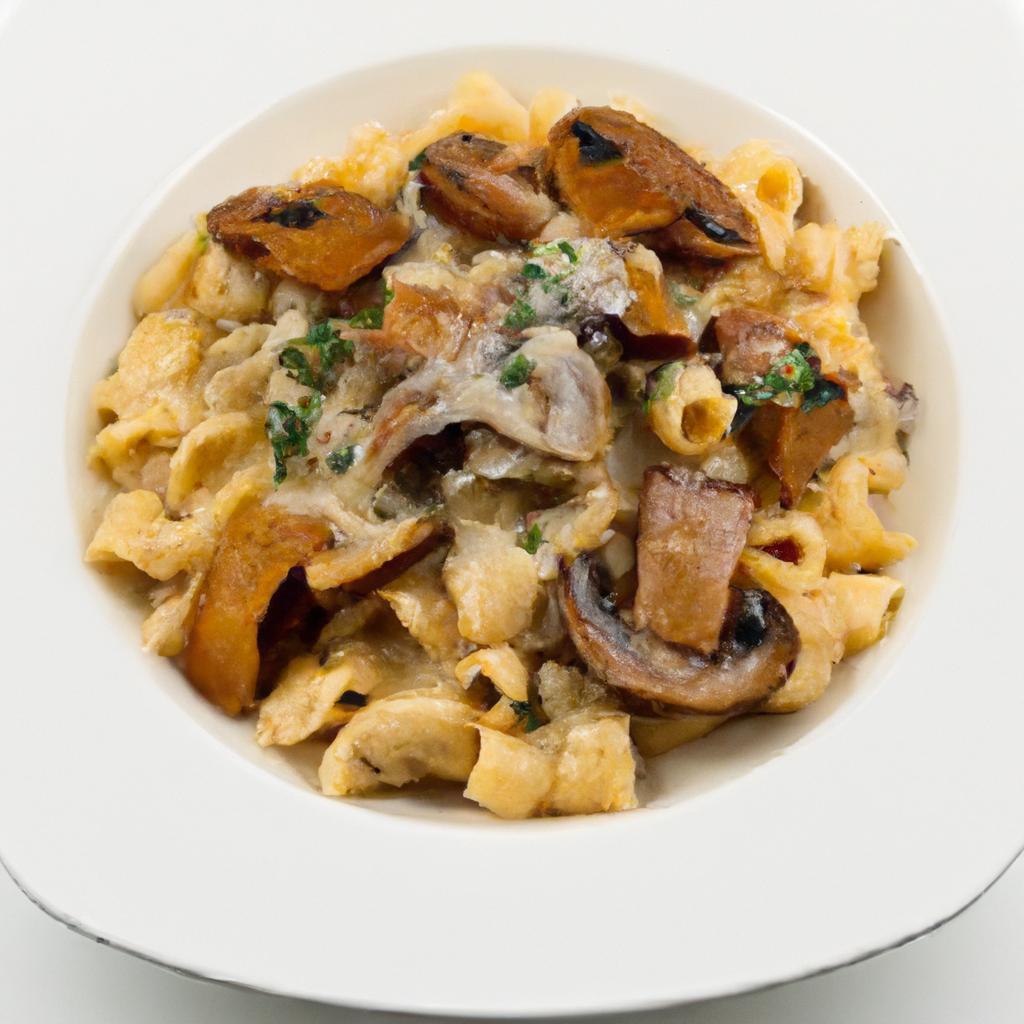
Divide pasta among warmed plates and finish with a few drops of truffle oil if using, a scatter of chopped parsley, and a final shave of Parmesan. These last elements add aroma and contrast.
Always taste before serving and adjust salt and pepper. A tiny squeeze of lemon or a few shavings of black pepper can lift the overall profile.
Tips for Success
Mushroom variety matters. Use a blend—meaty porcinis alongside delicate chanterelles gives layered texture and aroma.
Prevent steaming by searing mushrooms in batches. High, dry heat concentrates flavor through browning and moisture reduction.
When finishing the sauce, gradually add pasta water to unify fat and starch into a silky emulsion. This technique gives the sauce the perfect cling factor on each strand.
Serving Suggestions
Serve this pasta simply to highlight the creamy mushroom center: a light green salad with a bright vinaigrette cuts richness and refreshes the palate. Keep garnishes minimal and textural.
Opt for an aromatic red like Pinot Noir or a crisp white with restrained oak if you choose wine; acidity balances the cream and cleanses the palate between bites.
Nutritional Information
Per serving estimates reflect a rich, cream-based portion; they vary by exact ingredient brands and portion size. Use these numbers to guide dietary adjustments.
Calories ~520 kcal; Protein ~18 g; Carbohydrates ~58 g; Fat ~22 g. For precise tracking, weigh ingredients and consult nutrition data on product labels.
| Nutrient | Per Serving |
|---|---|
| Calories | 520 kcal |
| Protein | 18 g |
| Carbohydrates | 58 g |
| Fat | 22 g |
FAQ
What makes this wild mushroom pasta particularly “decadent” and “creamy”?
The decadence stems from the heavy cream and freshly grated cheese, which create a dense, velvety mouthfeel. Combined with mushroom umami and butter, the result reads as indulgent without unnecessary complexity.
Which mushroom varieties produce the best flavor balance?
Combine meaty mushrooms like porcini with delicate chanterelles and shiitake to achieve a balance of texture and aroma. Using one dried porcini alongside fresh varieties intensifies savory depth.
Can I make this recipe dairy-free or vegan?
Yes. Replace heavy cream with cashew cream or unsweetened coconut cream and use vegan hard-style cheese or nutritional yeast for savory complexity. Adjust seasoning and cook times slightly to account for texture changes.
How do I prevent the sauce from separating or clumping?
Keep the cream at a gentle simmer and add cheese off the heat if necessary, whisking to combine. Use reserved pasta water to smooth and emulsify the sauce rather than adding extra cream.
Is it better to use fresh or dried mushrooms?
Fresh mushrooms provide texture and delicate aromatics. Dried mushrooms deliver concentrated earthiness; rehydrating and using their soaking liquid in the sauce creates layered flavor. Both forms can work together effectively.
Future Outlook
Mastering the sequence—sourcing, searing, deglazing, and emulsifying—elevates a simple pasta into an experience. As you repeat the recipe, you will refine timing and seasoning to suit personal taste.
Use this recipe as a template: you can vary herbs, swap pasta shapes, or introduce protein for new iterations while retaining the core techniques that produce silky, savory results.
See also: mushroom pasta