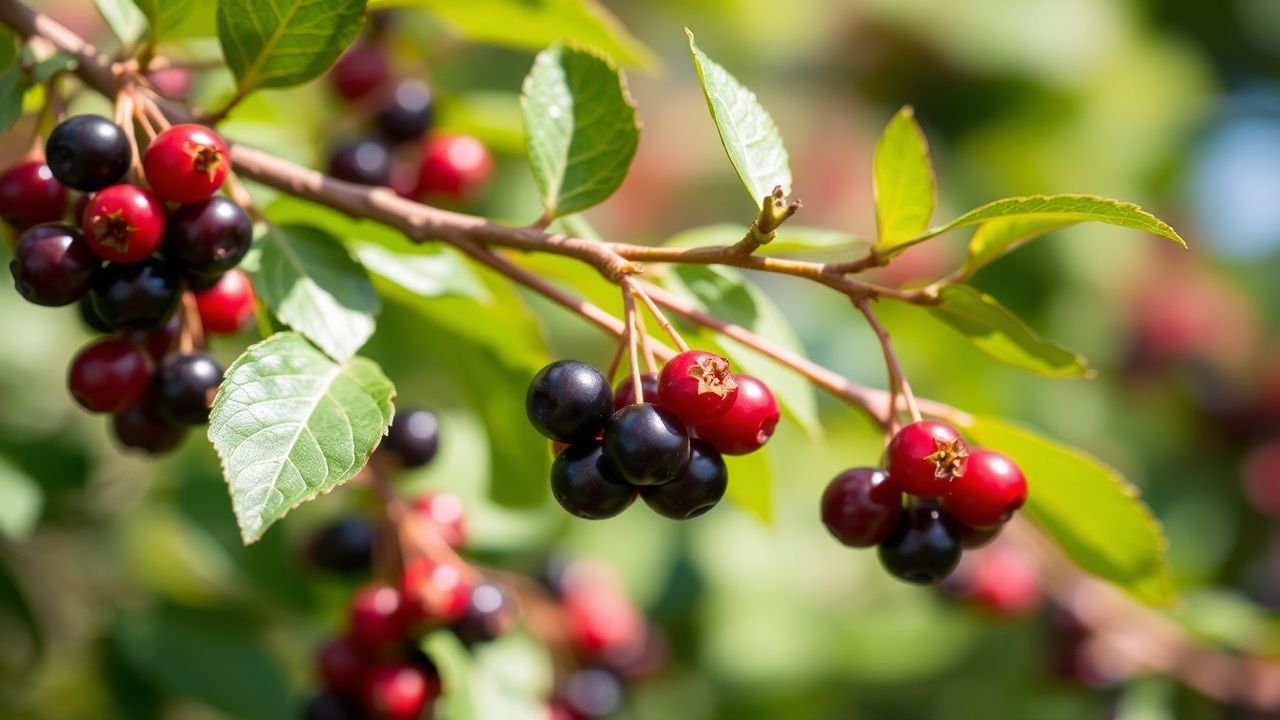

Beneath late-summer canopy light, glossy clusters of wild chokecherries wait for a careful eye and a steady hand. These tart fruits reward foragers who can identify, harvest, and process them into jams, syrups, and glazes that amplify their sharp, aromatic character.
- Spot ripe chokecherries: deep red to black in clusters.
- Harvest ethically: take only what you need and leave food for wildlife.
- Process safely: separate pits before pureeing or use straining methods.
- Preserve wisely: standard boiling-water canning extends shelf life.
Prep and Cook Time
Preparation: 20 minutes. Cooking: 30 minutes. These estimates assume you start with cleaned, stemmed fruit and follow a straightforward jam method.
Allow extra time for pitting or straining; that step affects overall timing. If you choose a low-pectin recipe or longer reduction, add 10–20 minutes for a thicker set.
Yield
This recipe yields approximately 4 cups of chokecherry jam, which serves about eight people when used as a spread or condiment. Yield depends on how much you reduce the juice and whether you include pectin.
For syrup or jelly, expect volume losses during straining and reduction. Measure finished jars to confirm your practical yield before labeling.
Difficulty Level
Overall difficulty rates as medium: you need basic canning sense, a food mill or fine sieve, and attention to handling pits. Foragers should also practice confident plant ID before harvesting.
Beginners can follow the steps with modest equipment; experienced foragers will move faster and spot better stands of fruit. Safety and technique influence how simple this feels in the field and the kitchen.
Ingredients
Gather ingredients before you start. Quality chokecherries and measured sugar deliver predictable results when heating and jarring.
- 4 cups ripe chokecherries, stems and leaves removed
- 1 ½ cups granulated sugar
- 1 tablespoon fresh lemon juice
- ½ cup water
- 1 teaspoon vanilla extract (optional)
- 1 tablespoon pectin (optional for faster set)
If you prefer no added pectin, plan to cook longer to reduce liquid. Adding a small acid, like lemon juice, helps pectin gel and lifts the fruit’s profile.
Instructions
1. Rinse and stem. Wash berries under cold water and remove stems and leaves to avoid extra bitterness. Handle clusters gently to prevent crushing and leaking juice prematurely.
2. Simmer to soften. Combine chokecherries, water, and lemon juice in a heavy saucepan over medium heat. Bring to a low boil, reduce heat, and simmer about 15 minutes while mashing occasionally to release juice.
3. Strain away pits and skins. Pass the cooked mix through a fine sieve or food mill to separate juice from skins and pits. Use the back of a spoon to press solids without forcing pits through the mesh.
4. Cook jam base. Return the strained juice to the pan and stir in sugar and pectin if used. Heat over medium and stir constantly until sugar dissolves and the mixture thickens, about 10–15 minutes.
5. Finish and jar. Remove from heat and stir in vanilla if desired. Ladle hot jam into sterilized jars, leaving ¼-inch headspace. Seal lids and cool to room temperature before refrigerating or processing in a boiling-water bath for longer storage.
Chef’s Notes
Select only fully ripe berries: choose deep crimson to nearly black fruits. Under-ripe chokecherries are highly astringent and will dominate a recipe with bitterness.
Use a cherry pitter or a food mill for higher throughput when processing many pounds of fruit. A consistent press-and-strain routine reduces bitterness and preserves bright flavor.
Flavor variations work well: try a cinnamon stick or star anise during simmering, then remove before jarring. For savory pairings, reduce sugar slightly and add a splash of apple cider vinegar to brighten the jam.
Serving Suggestions
Spread chokecherry jam on warm toast or pair it with soft cheeses like brie and goat cheese for contrast. The jam’s tart-sweet profile also shines on pancakes or stirred into yogurt bowls.
Use reduced chokecherry syrup as a glaze for grilled pork or duck, or swirl the jam into vinaigrettes for a fruit-acid balance in salads. Fresh mint or lemon zest lifts the aromatic top notes.
Explore More Wild Flavors
Foragers who enjoy chokecherries often study broader plant ID and seasonal harvest patterns. Reliable identification reduces risk and speeds confident collecting in mixed stands.
Consult recognized references on the species and on general foraging techniques to expand your repertoire. Practical field guides pair well with hands-on experience.
Relevant resources: see Prunus virginiana for botanical details, and read general principles at Foraging for safe wild-food practices.
Q&A
This section answers common questions from foragers and home cooks about chokecherries, safety, and culinary uses. Each answer highlights practical steps and caution where relevant.
Keep a pocket guide or plant key on your first few outings and cross-check berries with multiple sources before you consume any wild fruit.
Q1: What exactly are chokecherries?
A1: Chokecherries are the fruit of a shrub commonly called Prunus virginiana. The berries range from reddish to deep purple-black when ripe and grow in tight clusters along stems.
Q2: How can I identify chokecherry bushes safely?
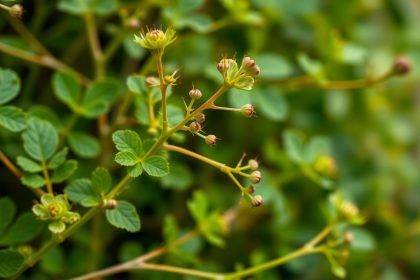
A2: Look for clusters of shiny, oval leaves with serrated edges and smooth red or brown bark on slender branches. The fruit clusters turn dark as they ripen; cross-reference physical traits in the field for accuracy.
Q3: When should I forage them?
A3: Late summer to early fall is the usual window, depending on latitude and local conditions. Ripe berries feel soft but not mushy and show a consistent dark color across the cluster.
Q4: Are chokecherries edible raw?
A4: Yes, the flesh is edible and eaten raw by many foragers, though it is tart. Do not crush or chew pits; discard them. Cooked preparations reduce astringency and broaden culinary uses.
Q5: How do chokecherries benefit local ecosystems?
A5: Birds, mammals, and insects feed on the fruit, aiding seed dispersal and supporting food webs. Responsible foraging means leaving ample fruit behind for wildlife and for natural regeneration.
Wrapping Up
Foraging chokecherries rewards patient observation, proper technique, and thoughtful processing. The result is a versatile ingredient that carries forest brightness into jams, glazes, and syrups.
Practice careful identification, handle pits with respect, and experiment with small batches before scaling recipes. That approach keeps both you and the wild stands healthy for seasons to come.
FAQ
Are chokecherries the same as wild cherries?
No. While related, chokecherries (Prunus virginiana) differ in fruit cluster structure and flavor intensity. If unsure, compare leaf shape and fruit arrangement before consuming.
Can I freeze chokecherries?
Yes. Freeze whole pitted fruits on trays, then transfer to labeled bags. Frozen chokecherries keep well for months and defrost cleanly for syrups and cooking.
Do I need special equipment to process chokecherry jam?
A food mill or fine mesh sieve greatly speeds pit removal and gives a smoother texture. Standard canning kits and clean jars complete the home-preservation workflow.
How long will homemade chokecherry jam last?
If processed in a boiling-water bath and stored properly, sealed jars last up to a year in a cool, dark place. Refrigerate after opening and use within weeks.
Where can I learn more about fruit chemistry and pectin?
Read introductory resources on pectin and fruit preserves, such as the encyclopedia entry for Jam and the technical overview at Pectin.
See also: Chokecherries