
Bright, peppery, and packed with nutrients, watercress makes a high-impact green for soups and salads. This guide provides clean, practical recipes, storage advice, and flavor-building techniques you can use tonight.
- Quick wins: a silky watercress soup and a crisp spring salad to rotate weekly.
- Storage tips: two methods to keep watercress fresh up to a week.
- Nutritional lift: simple swaps for vegan and lower-sodium versions.
Fresh and Vibrant Ingredients to Elevate Your Watercress Dishes
Watercress brings a peppery, green note that complements both creamy and acidic elements. Learn to pair it deliberately for texture and balance.
Pair watercress with bright citrus, ripe stone fruit, or creamy textures to highlight its bite. For botanical context, see watercress for cultivation and flavor background.
Choose contrasting textures: crunchy nuts, crisp cucumbers, and tender roasted vegetables work well. Use small amounts of strong cheese or avocado to temper peppery youth without losing brightness.
Use herbs like mint or dill to layer fresh aromatic notes without masking the green. Keep vinaigrettes sharp with lemon or a high-quality vinegar and modest oil to preserve crispness.
Mastering the Art of Watercress Soup for Maximum Flavor and Nutrition
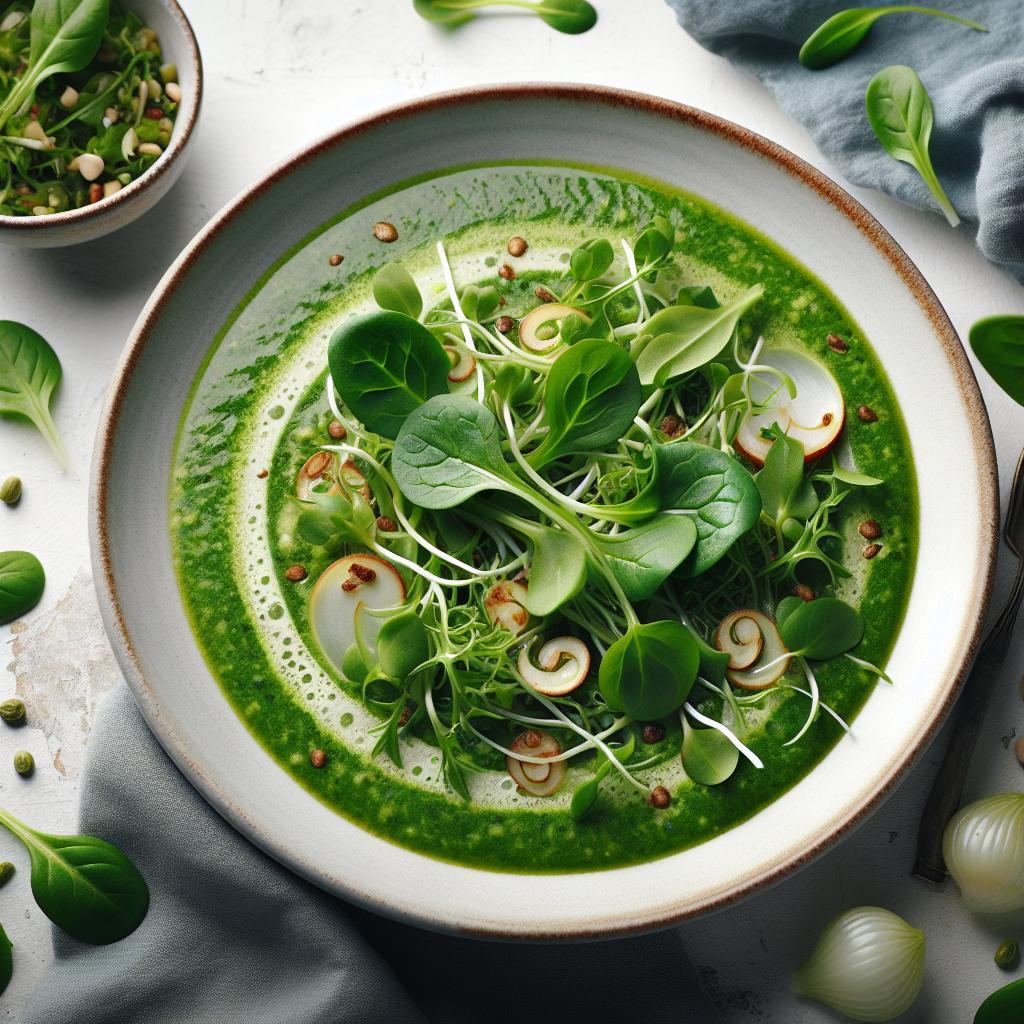
This watercress soup emphasizes bright green color, smooth texture, and efficient technique. It delivers a restaurant-quality bowl with minimal fuss.
Adding starchy vegetables creates body so you can reduce cream and hence calories while keeping mouthfeel. For the culinary concept of pureed broths and their place in cooking, consult soup.
Prep and Cook Time
Prep Time: 10 minutes. Cook Time: 20 minutes.
Yield
Serves 4. This portioning fits a starter or light main with bread.
Difficulty Level
Easy. The recipe uses basic stovetop skills and a blender or immersion tool.
Ingredients
- 3 cups fresh watercress, washed and tough stems removed
- 1 medium onion, diced
- 2 cloves garlic, minced
- 2 tablespoons olive oil
- 4 cups vegetable broth, low sodium
- 2 medium potatoes, peeled and diced for creaminess (potato)
- 1/2 cup heavy cream (optional)
- Salt and freshly ground black pepper, to taste
- Juice of half a lemon
- Chives, finely chopped for garnish
Instructions
- Heat oil in a large pot over medium heat and add the diced onion. Sauté until soft and translucent, about 5 minutes.
- Add garlic and cook for 1 minute more until fragrant, stirring to avoid browning.
- Stir in potatoes and coat with oil, cooking briefly to glaze the pieces.
- Pour in broth then bring to a boil; reduce heat and simmer until potatoes are tender, about 15 minutes.
- Add watercress and cook 2–3 minutes until wilted and bright green, then remove from heat.
- Blend the soup carefully until smooth using an immersion blender or countertop blender in batches.
- Return to low heat, stir in cream if using, season with salt, pepper, and lemon juice to lift the flavors.
- Serve garnished with chopped chives and a few whole watercress leaves for contrast.
Chef’s Notes
For a vegan version, substitute coconut cream or omit cream; the potatoes provide structure and silkiness. Use low-sodium broth to control salt and preserve the green flavor.
Add a teaspoon of Dijon mustard or a splash of dry white wine when sautéing the onion to deepen the base flavor. Strain the blended soup through a fine mesh for an ultra-smooth finish.
[TESTIMONIAL_SECTION_PLACEHOLDER]
[NOTE: The placeholder above preserves structure without external links.]
Creative Salad Combinations Featuring Watercress for Every Season
Watercress lends a peppery backbone that takes salads from routine to memorable. Use it as the main green or in combination with milder lettuces for balance.
In spring, pair watercress with strawberries, toasted walnuts, and crumbled feta tossed in a honey-balsamic dressing. For summer, combine it with stone fruit and burrata; in autumn, roast squash and add pomegranate for texture and color.
Ingredients for a Bright Spring Watercress Salad
- 4 cups watercress, washed and trimmed
- 1 cup fresh strawberries, sliced
- ½ cup walnuts, toasted and chopped
- ¼ cup crumbled feta
- 2 tablespoons honey
- 3 tablespoons balsamic vinegar
- 4 tablespoons extra virgin olive oil
- Salt and pepper, to taste
Instructions
- Combine watercress, strawberries, walnuts, and feta in a bowl. Toss gently to mix the textures evenly.
- Whisk honey, vinegar, and olive oil; season with salt and pepper. Drizzle over the salad and toss just before serving to keep leaves crisp.
Expert Tips for Selecting and Storing Watercress to Ensure Freshness
Select stems and leaves that look bright green and firm; avoid yellowing or sliminess. Fresh stems should feel crisp and slightly moist, never soft or brown.
Store unwashed in a slightly damp paper towel inside a loosely sealed bag in the crisper drawer. Alternatively, trim stems and place them in a jar of water covered loosely with a bag, which can extend freshness up to five days.
Wash watercress only before use to maintain crispness and prevent premature spoilage. When cooking, add leaves at the end to preserve color and nutritional value.
Rotate your supply and freeze excess pureed soup in portions for quick meals. Label frozen containers with date and use within three months for best quality.
Nutrition Snapshot
Watercress delivers low calories and high micronutrient density, notably vitamin C and vitamin K. It provides a concentrated source of antioxidants that support general dietary variety.
Per 100 g, watercress supplies a meaningful percentage of daily vitamin C and calcium. For background on nutrient science, see vitamin C and general nutrition basics.
| Nutrient | Per 100g | Daily Value (%) |
|---|---|---|
| Calories | 11 kcal | <1% |
| Protein | 2.3 g | 5% |
| Carbohydrates | 1.3 g | <1% |
| Fat | 0.1 g | <1% |
| Vitamin C | 43 mg | 72% |
| Calcium | 120 mg | 12% |
FAQ
What makes watercress a strong choice for salads and soups?
Watercress offers a peppery flavor that lifts simple ingredients and a crisp texture that contrasts creamy elements. It also provides concentrated micronutrients, making it both tasty and nutrient-dense.
How should I prepare watercress so it stays vibrant?
Rinse gently and trim thick stems; wash only before use to avoid sogginess. For soups, add leaves at the end of cooking and blend briefly to preserve color and volatile flavors.
Can I make the soup vegan without losing texture?
Yes: swap heavy cream for coconut cream or omit it; the cooked potatoes create body and a smooth mouthfeel. Adjust seasoning and acid to compensate for the subtle sweetness of coconut if used.
How long will fresh watercress keep in the refrigerator?
Stored properly, watercress can stay fresh up to five days using the jar-of-water method or a damp-paper-towel bag. Check daily and remove any leaves that begin to yellow.
Where can I read more about culinary uses of watercress?
Look up culinary articles and horticultural notes on the watercress page, and explore related topics such as salad for pairing ideas and historic context. Practical recipes and community testing also add real-world guidance.
Final takeaway: Use watercress to add an immediate green punch to soups and salads. With mindful pairings and proper storage, it becomes a weekly kitchen staple for flavor and nutrition.
See also: watercress