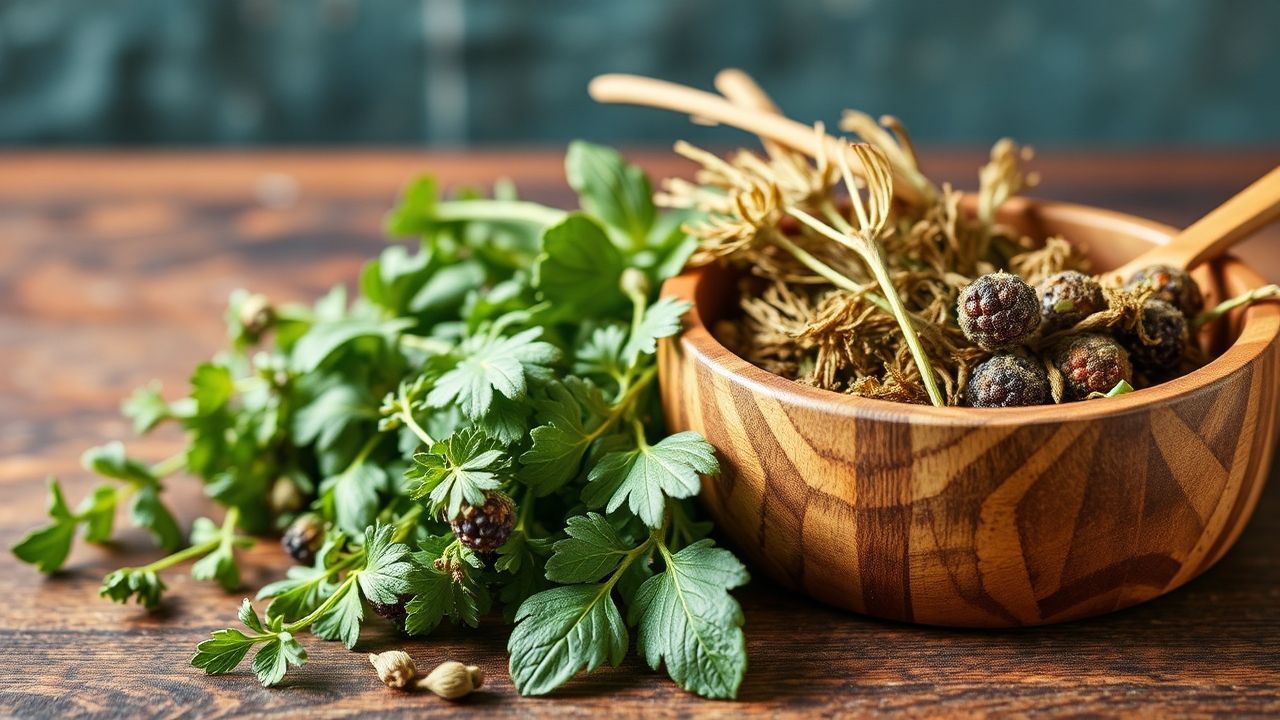

Drying herbs preserves garden aroma so you can use fresh harvests all year. These seven expert steps show how to harvest, dry, and store herbs to keep maximum flavor and color.
- Quick win: Air-drying preserves color and essential oils for many hardy herbs.
- When time is tight: A low-temp dehydrator or oven speeds things up while protecting aroma.
- Storage tip: Keep dried herbs in airtight glass jars away from light and heat to retain potency.
- Yield rule of thumb: Expect about a 4:1 reduction—one cup fresh yields roughly 1/4 cup dried.
Prep and Timing for Drying Herbs
Plan harvest based on plant stage and weather to improve outcomes when drying herbs. Picking just before full bloom usually captures the highest concentration of oils.
Prepare your workspace and tools before you cut. Quick processing—clip, clean, and start your chosen drying method—reduces enzyme activity and preserves volatile compounds.
Ingredients and Tools for Drying Herbs
Gather sturdy scissors or pruning shears, fine cotton twine, small glass jars with tight lids, and trays or racks for oven and dehydrator use. These tools keep handling minimal, which preserves leaves and oils during drying herbs.
Consider optional items: a salad spinner to remove surface water, brown paper bags for delicate leaves, and labels for dating jars. For background on what botanists call an herb, see herb classification on Wikipedia.
Choosing and Harvesting Herbs for Drying Herbs
Select healthy, disease-free growth. For best results with drying herbs, harvest in the morning after dew lifts but before midday heat concentrates and shifts volatile oil composition.
Separate herb types by texture: woody stems like rosemary tolerate slow air drying, whereas tender leaves like basil dry faster and can darken if processed poorly. Learn more about basil and how delicate leaves behave on basil’s Wikipedia page.
Instructions: Step-by-Step Drying Herbs Workflow
These steps deliver repeatable outcomes whether you choose air-drying, a food dehydrator, or a low-temperature oven. Match the method to the herb structure for the best aroma retention.
Follow each step deliberately: clip, clean, bundle, check dryness, remove leaves, then store. Avoid shortcuts that trap moisture or apply excessive heat when drying herbs.
- Clip at the right time: Cut stems in the morning after dew dries. Prioritize top growth and avoid old woody branches that give poor flavor when drying herbs.
- Clean carefully: Shake off insects and rinse briefly if soil clings. Pat stems dry with a towel or use a spinner; surface moisture slows drying and increases mold risk.
- Bundle and hang: Tie 4–6 stems with twine and hang upside down in a warm, ventilated spot out of direct sun. Good airflow prevents discoloration and preserves oils during drying herbs.
- Paper bag trick for delicate leaves: Place bundles in a brown paper bag and punch holes for airflow. The bag keeps leaves from scattering while allowing moisture to escape.
- Alternative: dehydrator or oven: Use a dehydrator at the manufacturer’s low setting or an oven near its lowest temperature. Spread leaves in a single layer and check often to avoid overheating while drying herbs.
- Check dryness: Herbs are ready when leaves crumble and stems snap. If leaves feel leathery, return them to the dryer and re-test every hour.
- Remove leaves and store: Strip leaves by running your fingers down stems and transfer fully dry leaves to labeled glass jars. Keep jars cool and dark to protect aroma and color.
Drying Methods: When to Use Each Method for Drying Herbs
Choose air-drying for woody herbs such as rosemary and thyme; they tolerate slow moisture loss without losing oils. Air-drying requires steady air flow and moderate humidity to succeed for many species.
Use a dehydrator or low oven for tender, leafy herbs like basil or parsley; these methods remove moisture quickly and minimize color loss when drying herbs. For the science behind removing moisture, consult food drying documentation.
Air Drying
Air drying uses ambient warmth and ventilation to evaporate moisture slowly. Hang small bundles upside down in a dry room with good circulation so herbs dry evenly while keeping oils intact.
Expect 7–14 days depending on herb thickness and humidity. Monitor bundles and break them down if inner leaves stay damp to prevent spoilage when drying herbs.
Dehydrator
A food dehydrator provides controlled temperature and steady airflow for consistent results. Set the machine low and spread leaves in a single layer to avoid trapping pockets of moisture.
Dehydrators often finish delicate herbs within 2–6 hours compared with days for air drying. Check frequently and remove herbs as soon as they crumble to conserve essential oils during drying herbs.
Oven Drying
Oven drying works in a pinch but requires caution. Use the lowest stable temperature, prop the door slightly open for ventilation, and rotate trays to ensure even heat exposure when drying herbs.
Check every 30–60 minutes and pull herbs once they crumble. Overheating strips volatile oils and leaves herbs flat and flavorless, so err on the side of underheating when drying herbs in an oven.
Bundling, Handling, and the Bag Method When Drying Herbs
Keep bundles small so air reaches inner leaves and stems. Tight or oversized bundles trap moisture and lengthen drying time, which raises mold risk when drying herbs.
The brown-bag method works well for loose-leaf, delicate herbs. Fold the bag around the stems and punch a few holes for airflow; this contains leaves while letting moisture escape during drying herbs.
When Are Herbs Fully Dry?
Test readiness by rubbing a few leaves between your fingers: they should crumble. Stems should snap rather than bend when herbs reach full dryness.
Store a small sample in a jar for 24 hours to check for condensation. If moisture appears, return the batch to the drying method and monitor until everything feels brittle to avoid mold when storing dried herbs.
Storing and Using Dried Herbs
Store dried herbs in airtight glass jars and label with the herb name and date. Keep jars in a cool, dark cabinet to preserve volatile oils and color after drying herbs.
Use dried herbs within 6–12 months for best flavor. Because dried herbs concentrate flavor, use roughly one-third the volume of fresh and add them early in cooking so they rehydrate and release oils.
Flavor and Rehydration Tips
Crush leaves lightly with your fingers just before use to release aromatic compounds. Store crushed and whole leaves separately so whole leaves retain potency longer after drying herbs.
For quick infusions like tea, steep whole leaves slightly longer than fresh leaves to extract flavor. Rehydration time depends on leaf thickness and how fully the herbs were dried.
Troubleshooting and Common Mistakes When Drying Herbs
Mold forms when herbs dry too slowly or when moisture gets trapped. Remove suspect leaves immediately and re-dry salvageable pieces to prevent contamination from spreading during drying herbs.
Avoid overheating; too much heat destroys volatile oils and leaves a bland product. Use low temperatures and frequent checks so you preserve the aroma and essential oils.
Chef’s Notes: Practical Tips for Success Drying Herbs
Choose hardy herbs like rosemary and thyme for straightforward air-drying projects—these woody varieties keep flavor and structure during slow drying. They also store well for months after proper drying herbs procedures.
Label jars with the herb name and drying date to rotate stock and keep the pantry fresh. Replace jars yearly and sniff-test herbs before use to ensure potency.
FAQ
Why dry herbs instead of using them fresh?
Drying herbs preserves flavor and aroma so you can use home-grown herbs year-round. Dried herbs take up less space and concentrate flavor for consistent seasoning in cooking.
When is the best time to harvest herbs for drying?
Harvest just before flowering, usually in the morning after dew lifts, to capture peak essential oil levels. This timing improves results during drying herbs and extends shelf flavor.
How can I tell when herbs are fully dry?
Fully dry leaves will crumble between your fingers and stems will snap. If leaves bend or feel leathery, continue drying until brittle to avoid mold during storage of dried herbs.
Can I dry all herbs the same way?
Woody herbs tolerate air-drying while tender herbs often need a dehydrator or low oven. Match the method to leaf structure for best aroma and appearance when drying herbs.
How should I store dried herbs for the longest shelf life?
Store in airtight glass jars in a cool, dark place and use within 6–12 months for optimal flavor. Proper storage protects volatile oils and color after drying herbs.
For more on preserving foods, see food preservation methods.
See also: drying herbs