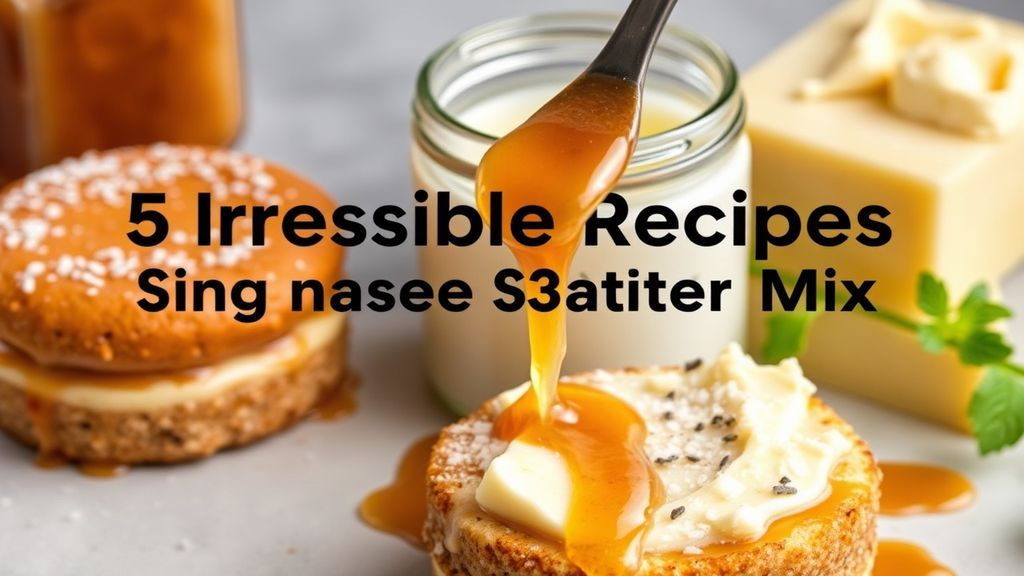

Maple Butter: 5 Recipes for Breakfast & Dinner
Maple butter fuses the caramel depth of pure maple syrup with butter’s rich mouthfeel to create spreads, glazes, and finishing butters that work across sweet and savory dishes. This guide delivers five chef-tested recipes, exact measurements, practical technique notes, plating ideas, and rough nutrition estimates for home cooks and pros.
- Maple Butter: 5 Recipes for Breakfast & Dinner
- Maple butter, explained: definitions, chemistry, and how to make both versions
- Maple Butter Biscuit Sandwiches with Bacon and Apple
- Maple Butter Cinnamon Rolls with Brown Butter Maple Glaze
- Maple Butter Roasted Carrots with Thyme and Citrus
- Maple Butter Pan‑Seared Salmon with Maple‑Dijon Glaze
- Maple Butter Chocolate Tartlets with Sea Salt
- Key Takeaways
- Scaling, storage, and practical how-to
- FAQ about maple butter: questions chefs and home cooks ask
- Maple cream and compound maple butter differ in ingredients and texture; use each where it performs best.
- Temperature control governs crystallization and gloss in both syrup and butter preparations.
- Finish glazes off the heat to prevent scorched sugars and bitter flavors.
- Label and date refrigerated batches to preserve quality and food safety.
Below the recipes you will find scaling tips, storage protocols, and precise how-to for both syrup-only maple cream and butter-based compound maple butter. Each recipe includes pro tips to keep results consistent and repeatable.
Maple butter, explained: definitions, chemistry, and how to make both versions
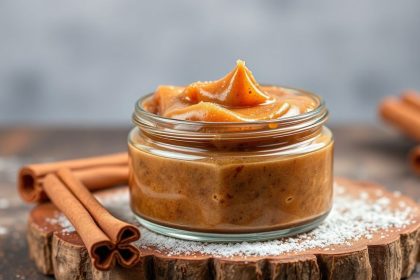
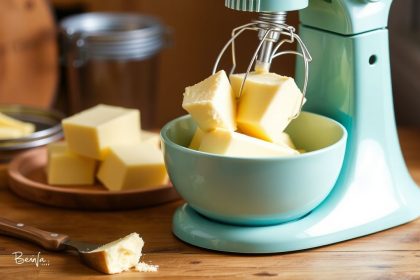
Two distinct products commonly carry the name maple butter. One is a compound butter — dairy butter whipped with maple syrup and salt for a spreadable finishing butter that plays well with roasted meats and baked goods.
The second is traditional maple cream, a syrup-only confection made by concentrating 100% maple syrup and then forcing controlled crystallization to yield a smooth, spreadable paste. The process depends on predictable sugar crystal formation, which links to fundamental crystallization principles.
Technique at a glance: heat pure syrup to the soft-ball stage (about 235–240°F / 112–116°C), cool to near 120°F (49°C), then beat until pale and silky. For compound butter, keep butter fully softened but cool, and fold in measured maple syrup to avoid separation and graininess.
Syrup composition matters. Pure maple syrup varies by sugar profile and water content across grades; those differences alter cook time and final texture. Test small batches when trying a new syrup to predict behavior.
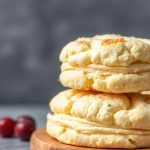
Maple Butter Biscuit Sandwiches with Bacon and Apple
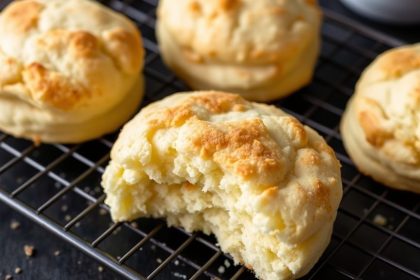
Warm, flaky biscuits paired with a simple compound maple butter, crisp bacon, and tart apple slices form a brunch classic that scales well for small catering. The contrast of buttery layers, salty bacon, and bright apple keeps each bite interesting.
Keep dough ingredients cold and handle gently to preserve layers. Briefly chilling the rolled dough or the filled log before cutting yields taller, flakier biscuits with neat edges.
Ingredients
- For biscuits: 320 g all-purpose flour, 10 g baking powder, 6 g salt, 85 g cold unsalted butter, 250 ml cold whole milk.
- For compound maple butter: 113 g unsalted butter (softened), 60 ml pure maple syrup, pinch flaky sea salt.
- Filling: 8 slices smoked bacon, 1 tart apple thinly sliced, microgreens optional.
Preparation Method
- Preheat oven to 220°C / 425°F. Mix dry ingredients and cut in cold butter until the mixture resembles coarse peas. Add milk and fold until just combined; pat or roll to 2 cm thickness and cut with a sharp cutter.
- Bake on parchment 12–14 minutes until golden. Whisk softened butter with maple syrup and salt until uniform; chill briefly to firm for easier spreading. Assemble warm biscuits with ~1 tbsp (15 g) maple butter, bacon, and apple slices.
Nutritional estimate per sandwich: ≈540 kcal, 32 g fat, 46 g carbs, 12 g protein. Values vary by brands used and portion size.
Pro tip: if apple slices feel too firm, toss them 30–45 seconds in a dry skillet to soften slightly without adding sugar; that balances texture against flaky biscuits and crisp bacon.
Maple Butter Cinnamon Rolls with Brown Butter Maple Glaze
These rolls use compound maple butter in the filling and finish with a browned-butter maple glaze for a nutty aroma and glossy finish. Plan 2–3 hours total, including proofs.
Choose high-protein (bread) flour so spirals retain definition and the crumb supports the filling without collapsing during bake.
Ingredients
- Dough: 500 g bread flour, 7 g instant yeast, 60 g sugar, 8 g salt, 240 ml warm whole milk, 60 g maple butter, 1 egg.
- Filling: 120 g brown sugar, 20 g cinnamon, 80 g maple butter.
- Glaze: 60 g browned unsalted butter, 45 ml maple syrup, 90 g sifted powdered sugar.
Preparation Method
- Knead dough 8–10 minutes until smooth. First proof until doubled (60–90 minutes). Roll to a 40 x 30 cm rectangle, spread 80 g maple butter, sprinkle brown sugar and cinnamon, then roll tightly from the long side.
- Chill the log 10–15 minutes to make slicing cleaner, cut into 12 pieces, place in a pan, and proof 40–50 minutes until puffy. Bake at 180°C / 350°F for 22–25 minutes.
- Brown butter until nutty, whisk in maple syrup and powdered sugar to a glossy glaze. Brush warm rolls generously and serve.
Nutrition per roll (12): ≈420 kcal, 18 g fat, 56 g carbs, 6 g protein. If glaze loosens after brushing, chill briefly to thicken, then rewarm gently for service to restore gloss without melting the swirl structure.
Maple Butter Roasted Carrots with Thyme and Citrus
Roasting concentrates carrot sugars; a finishing drizzle of maple butter and orange juice yields a glossy, aromatic side that pairs with roast poultry and weeknight proteins. The citrus brightens the richness and cuts perceived sweetness.
High-heat roasting in a single-layer pan maximizes direct contact and encourages even caramelization instead of steaming the vegetables in their own juices.
Ingredients
- 600 g baby carrots, 30 g olive oil, 45 g melted maple butter, 10 g fresh thyme leaves, zest and juice of 1 orange, salt and pepper.
Preparation Method
- Preheat oven to 220°C / 425°F. Toss carrots with oil, salt, and pepper; spread on a sheet pan in a single layer. Roast 20 minutes to begin caramelization.
- Remove pan, toss with melted maple butter and orange juice, return to oven 5–10 minutes until edges char slightly and glaze becomes glossy. Finish with orange zest and thyme before serving.
Per serving (serves 4): ≈140 kcal, 6 g fat, 20 g carbs, 1.5 g protein. Finish with flaky sea salt just before serving to heighten contrast and brighten perceived sweetness.
Maple Butter Pan‑Seared Salmon with Maple‑Dijon Glaze
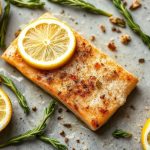
This quick entrée yields crisp skin and a tender interior when you pat fillets dry and sear properly. For even cooking, let fillets sit at room temperature 15–20 minutes before placing in a hot pan.
Use a high smoke-point oil for the initial sear. After flipping, remove the pan from heat and spoon a maple butter–Dijon glaze over fillets so the sugar melts without burning.
Ingredients
- 4 salmon fillets (150–170 g each), salt and pepper, 15 g neutral oil, 45 g maple butter, 15 ml Dijon mustard, 1 tbsp lemon juice.
Preparation Method
- Pat fillets dry and season. Heat oil in a heavy skillet until shimmering; place skin-side down and press briefly to ensure even contact. Sear 4–5 minutes until skin is crisp and edges begin to turn opaque.
- Flip and cook 1–2 minutes until just shy of desired doneness. Remove pan from heat. Stir maple butter, Dijon, and lemon into a glossy glaze and spoon over fillets. Rest 2 minutes before serving.
Nutrition per fillet: ≈360 kcal, 22 g fat, 32 g protein. Omega-3 levels vary by fish source; choose fattier cuts for higher EPA/DHA content and flavor.
For species guidance and handling, consult a general salmon overview when selecting product and storage practices.
Maple Butter Chocolate Tartlets with Sea Salt
These tartlets use maple butter in the crust and as a fragrant smear beneath a dark chocolate ganache. Salt amplifies roasted chocolate notes and highlights maple’s caramel tones.
Work with chilled equipment and keep fats cold during dough preparation to prevent grease migration and maintain crisp shells after baking.
Ingredients
- Crust (makes 8): 200 g all-purpose flour, 25 g unsweetened cocoa powder, 100 g chilled maple butter, 50 g powdered sugar, 1 egg yolk.
- Ganache: 200 g dark chocolate (64–72% cacao), 200 ml heavy cream, 15 g pure maple syrup.
Preparation Method
- Work chilled maple butter into flour, cocoa, and sugar until sandy. Add yolk and 1 tbsp cold water if needed, chill 30 minutes, press into tartlet molds, and blind-bake 12–15 minutes at 180°C / 350°F until set.
- Bring cream to a simmer, pour over chopped chocolate, wait one minute, then whisk until smooth. Stir in maple syrup, spoon into cooled shells, and chill until set. Before filling, smear a thin layer (~1/2 tsp) of softened maple butter in each shell to bloom aroma beneath the ganache; finish with flaky sea salt.
Nutrition per tartlet: ≈280 kcal, 18 g fat, 24 g carbs, 4 g protein. For chocolate background and composition, see a general chocolate reference.
Key Takeaways
Use each maple preparation where it performs best: syrup-only maple cream for spreadable sweetness on toast and pastries; compound maple butter for glossy, savory finishes and bakes.
Control temperature and crystallization for stable maple cream; control butter temperature and incorporation for glossy, stable compound butters. Label refrigerated or frozen batches and track dates to maintain quality and safety.
Scaling, storage, and practical how-to
Scale recipes linearly by weight for best accuracy. For maple cream, remember concentrated syrup increases in density; small test batches reveal needed cook time adjustments.
Store compound maple butter in an airtight container in the refrigerator for 2–3 weeks. Syrup-only maple cream keeps several weeks refrigerated and freezes well for months; thaw in the refrigerator before using.
When moving from home to catering production, cool batches quickly, label with date, and rotate stock to maintain freshness and food safety. Always perform small sensory checks before service.
FAQ about maple butter: questions chefs and home cooks ask
Is maple butter the same as maple cream?
Not exactly. Maple cream is a syrup-only confection made by concentrating and beating pure maple syrup until it becomes spreadable. Compound maple butter blends dairy butter with maple syrup and salt for a different texture and flavor balance.
How long does maple butter keep in the fridge?
Compound maple butter keeps 2–3 weeks refrigerated in an airtight container. Syrup-only maple cream will keep several weeks refrigerated and freezes well for months; always label with preparation date and thaw in the refrigerator.
Can I use maple butter in savory dishes?
Yes. Use maple butter as a finishing swipe on roasted vegetables, to enrich pan sauces, or as a glaze for fish and pork. To balance richness, add acid such as lemon or a bright vinegar and finish with fresh herbs.
What are reliable substitutes if I don’t have maple butter?
Quick compound: whip two parts butter to one part maple syrup by weight. For non-dairy, use chilled coconut oil or a neutral plant-based butter blended with maple syrup until spreadable and adjust salt to taste.
Where can I learn more about maple syrup production and grading?
For production and grading context, consult the general maple syrup overview. Understanding grade differences helps predict cooking behavior and final texture.
See also: internal tag pages and technique posts on compound butters and biscuit methods available on this site.
See also: Maple Butter and Compound Butters
Recommended Reading:
- Silky 3-Ingredient Maple Butter with Sea Salt
- Fluffy Biscuits: 5 Pro Secrets for Bakery-Soft, Buttery Perfection
- 7 Smoked Salt Spread Recipes That Transform Meals