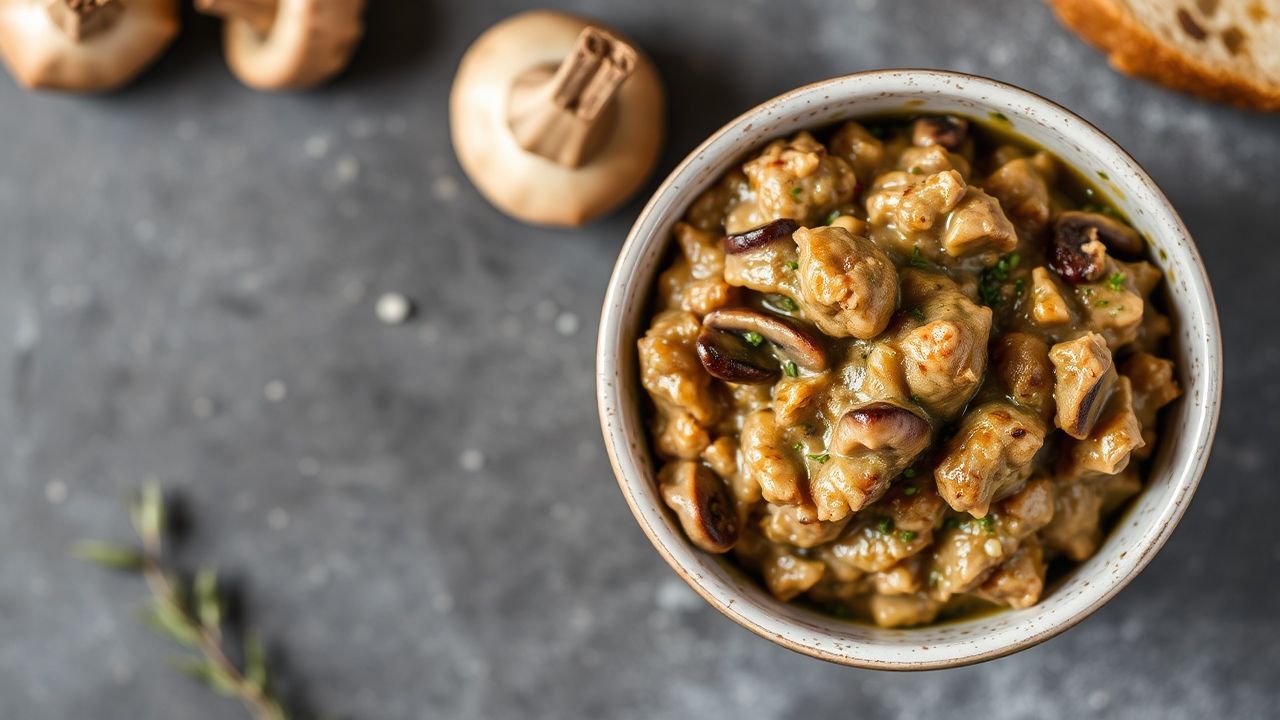

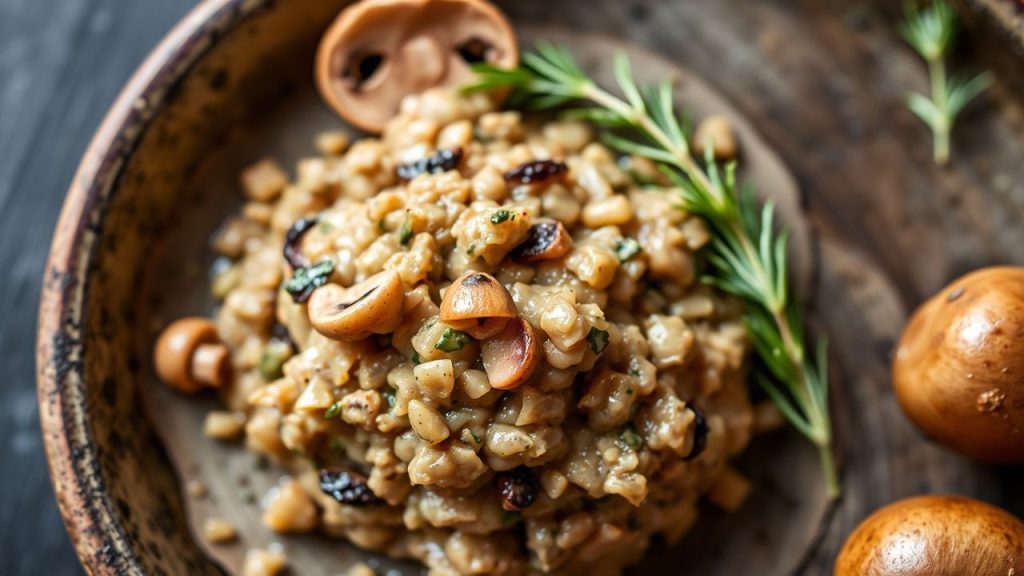
Mastering Mushroom Duxelles showcases a classic French preparation that concentrates mushroom flavor into a silky, versatile paste. This method transforms chopped mushrooms, shallots, and herbs into an intensely savory ingredient you can use in sauces, pastries, and more.
- Concentrated umami: reduces mushroom moisture to concentrate flavor.
- Texture control: fine chopping and slow reduction create a paste that spreads or folds into dishes.
- Storage-friendly: refrigerates and freezes well for quick gourmet boosts.
- Versatile uses: from Beef Wellington to crostini and risotto.
Understanding the Essence of Mushroom Duxelles and Its Culinary Origins
Duxelles represents a simple technique that extracts depth from mushrooms while keeping a refined texture. The preparation relies on fine chopping, gentle aromatics, and patient reduction to form a concentrated paste.
The method traces to 17th-century French kitchens and to François Pierre de la Varenne, an influential cook who helped codify French culinary technique. Read more about his role in modernizing French cuisine on François Pierre de la Varenne.
Why Texture and Flavor Matter
The hallmark of a good duxelles is a silky mouthfeel with a clear mushroom presence but without excess water. Proper technique locks in umami while preventing a watery, diluted result.
Science-wise, mushrooms concentrate savory amino acids when you remove moisture, enhancing perceived flavor. For background on that savory sensation, consult the umami entry.
Choosing the Perfect Mushrooms and Ingredients for an Authentic Flavor
Pick firm, fresh mushrooms with minimal blemishes to limit excess moisture during cooking. Cremini and button mushrooms give a reliable base; wild varieties add complexity when available.
If you want detailed mushroom classifications and common varieties, see the general mushroom overview. Use shallots for gentle sweetness and unsalted butter for smooth mouthfeel.
Fresh thyme and parsley brighten the paste; a splash of dry white wine or sherry lifts the aromatics during deglazing. Salt late in the process to avoid pulling too much moisture early in the cook.
Step by Step Guide to Preparing Silky Smooth Mushroom Duxelles
Follow precise prep to control texture: fine chopping, measured aromatics, and low-and-slow reduction. Rushing any step risks a loose, watery result instead of the desired paste.
Pay attention to pan size and heat. A wide skillet encourages evaporation and even browning, while a crowded pan steams the mushrooms and prevents proper reduction.
Prep and Cook Time
Preparation: 15 minutes. Clean and finely chop mushrooms or pulse them in short bursts to avoid paste-like mush.
Cook Time: 25 minutes. The slurry must reduce until it becomes dry to the touch and silky to the palate.
Yield and Difficulty
Yield: About 1 1/2 cups, which serves as a component for 4–6 portions. Quantities scale linearly.
Difficulty: Medium. The technique requires attention but uses accessible tools and ingredients.
Ingredients
500 g (1 lb) mixed mushrooms, 2 tbsp unsalted butter, 2 shallots (finely minced), 2 garlic cloves (minced), 2 tsp fresh thyme, 2 tbsp dry white wine, salt and freshly ground black pepper, 1 tbsp chopped flat-leaf parsley (optional).
Use a food processor in short pulses for speed, or a knife for more control over texture. The difference changes the bite and final mouthfeel.
Instructions
1. Clean mushrooms by wiping them; avoid soaking. Chop finely or pulse in a food processor in 1–2 second bursts.
2. Melt butter in a wide skillet over medium heat. Sweat shallots and garlic until translucent, roughly 3–4 minutes, stirring to avoid color.
3. Add mushrooms and thyme. Stir frequently to release liquid, then maintain heat so moisture evaporates rather than accumulates. Expect 10–12 minutes for this stage.
4. Deglaze with white wine, scraping browned bits and continuing to cook until the mixture feels dry and silky, about another 8–10 minutes. Taste and adjust seasoning with salt and pepper.
5. Stir in parsley if using, cool to room temperature, then use or store. Chill airtight for up to 3 days or freeze in portions for longer storage.
Innovative Ways to Incorporate Duxelles into Gourmet Dishes
Duxelles serves as a flavor amplifier across preparations. Spread it on toasted baguette slices and finish with soft cheese for elegant canapés.
Fold duxelles into risotto or omelets to deepen savory notes without overwhelming other elements. It also works as a stuffing for chicken, a layer inside puff pastry, or mixed into vegetarian grain bowls.
For a classic application, use duxelles inside Beef Wellington for concentrated mushroom flavor and texture. See the dish history on Beef Wellington.
Texture and Pairing Tips
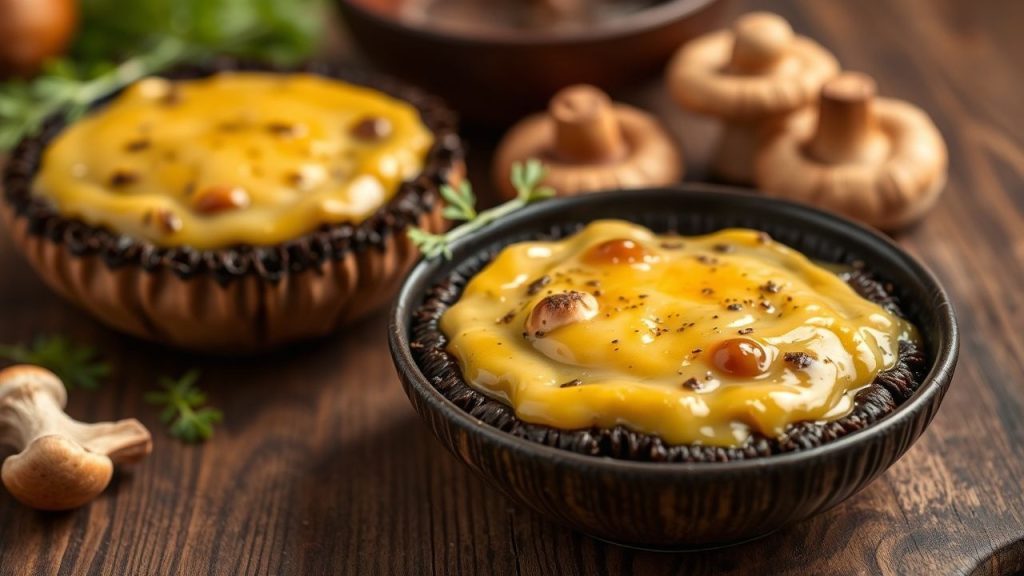
Balance duxelles’ density with creamy or crunchy elements: melted Gruyère, a smear of ricotta, or toasted nuts all work well. That contrast keeps dishes lively and prevents monotony.
Use sparing accents of truffle oil or smoked paprika to modernize the profile, but test small amounts—those additions can overwhelm the mushroom base.
Chef’s Notes: Tips for Success
Recover flavor by using a dry pan and allowing moisture to evaporate; a wide pan accelerates reduction and encourages even caramelization. Patience during reduction produces depth and complexity.
Control moisture: if the mixture stays wet after adequate time, spread the duxelles thinly on a tray and dry gently in a low oven (100°C / 210°F) for 8–10 minutes to concentrate flavors and stabilize texture.
Use unsalted butter to tune salt precisely, or exchange for neutral oil for a dairy-free rendition—expect a slightly different mouthfeel but preserved flavor intensity.
Storage and Make-Ahead Strategy
Cool duxelles to room temperature before sealing to avoid condensation. Store in airtight containers in the refrigerator for up to 3 days.
Freeze portions in ice cube trays or small jars for single-use convenience. Thaw in the refrigerator and reheat gently; the flavor often gains complexity after freezing.
Serving Suggestions
Use duxelles as a refined garnish with a sprig of fresh thyme or microgreens to add color and fresh aromatics. It pairs well with roast proteins and richer cheeses.
For vegetarian plates, stir duxelles into grain bowls, warm lentils, or stuffed vegetables to boost umami without adding meat. A thin swipe on roasted vegetable stacks brings savory depth.
| Nutritional Information (per 1/4 cup) | Calories | Protein | Carbs | Fat |
|---|---|---|---|---|
| Mushroom Duxelles | 45 kcal | 2 g | 6 g | 1.5 g |
FAQ
What exactly is mushroom duxelles?
Duxelles is a finely chopped mix of mushrooms, shallots, and herbs cooked down until moisture evaporates and the mixture becomes a concentrated paste. It serves as a flavor base, filling, or spread across many preparations.
Which mushrooms work best for duxelles?
Cremini and button mushrooms provide a reliable texture and flavor. Mix in wild mushrooms for complexity, but ensure you source them safely and consistently.
How do I prevent watery duxelles?
Use a wide skillet, avoid overcrowding, and cook long enough for moisture to evaporate. Finish with a brief oven-dry step if residual water persists.
Can I make duxelles ahead of time?
Yes. Refrigerate for up to three days or freeze in portions for months. Thawed duxelles often develops deeper flavor.
Any safety tips when working with mushrooms?
Buy from trusted suppliers and avoid foraging unless you have expert training. Proper cleaning and storage reduce spoilage risks while preserving flavor.
Mastering mushroom duxelles rewards careful technique and attention to texture. Use the method above to produce a reliable, intensely flavored paste that elevates a broad range of dishes.
See also: Mushroom Duxelles