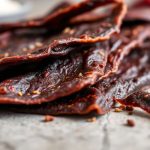
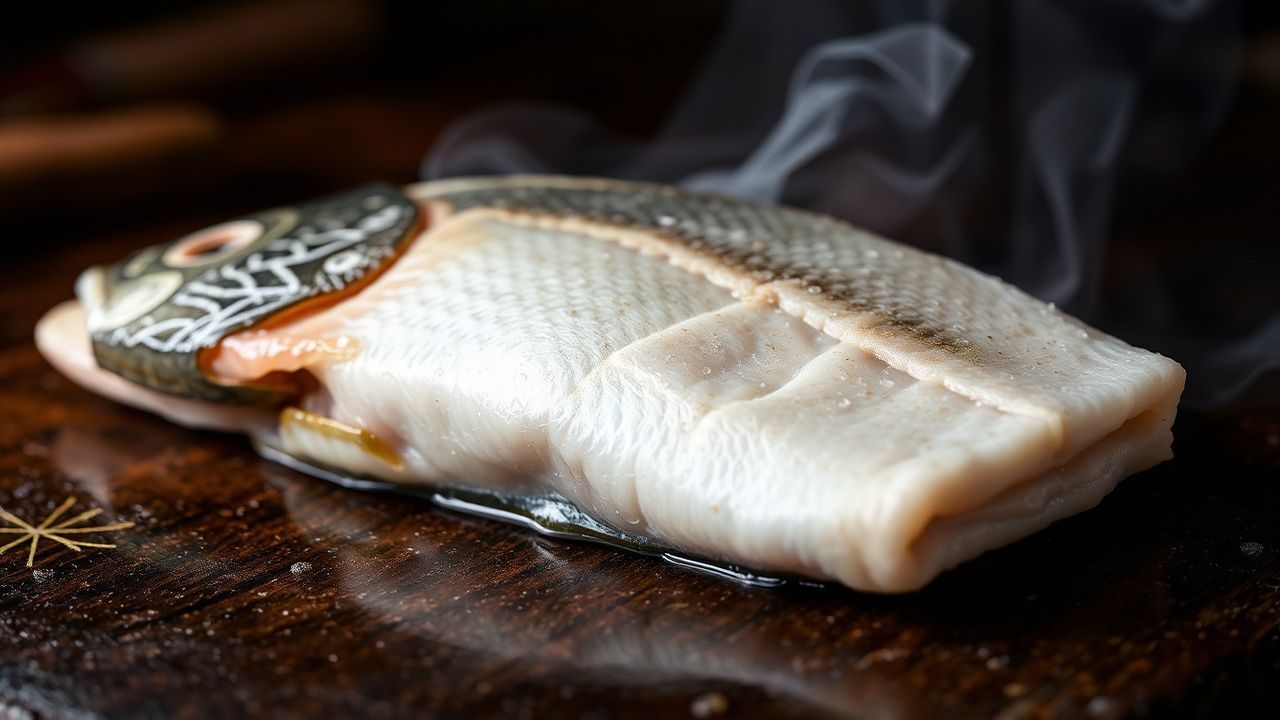

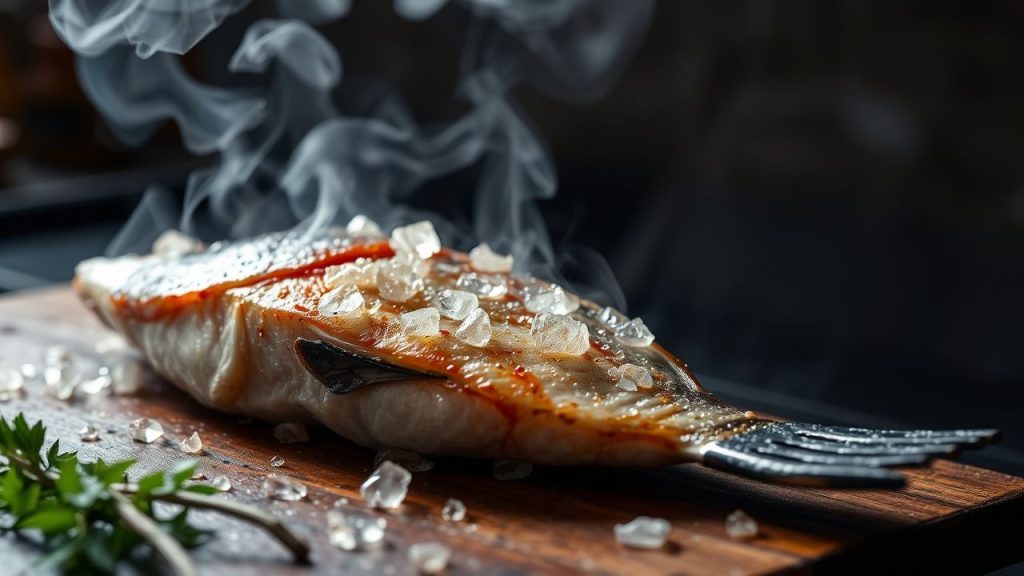
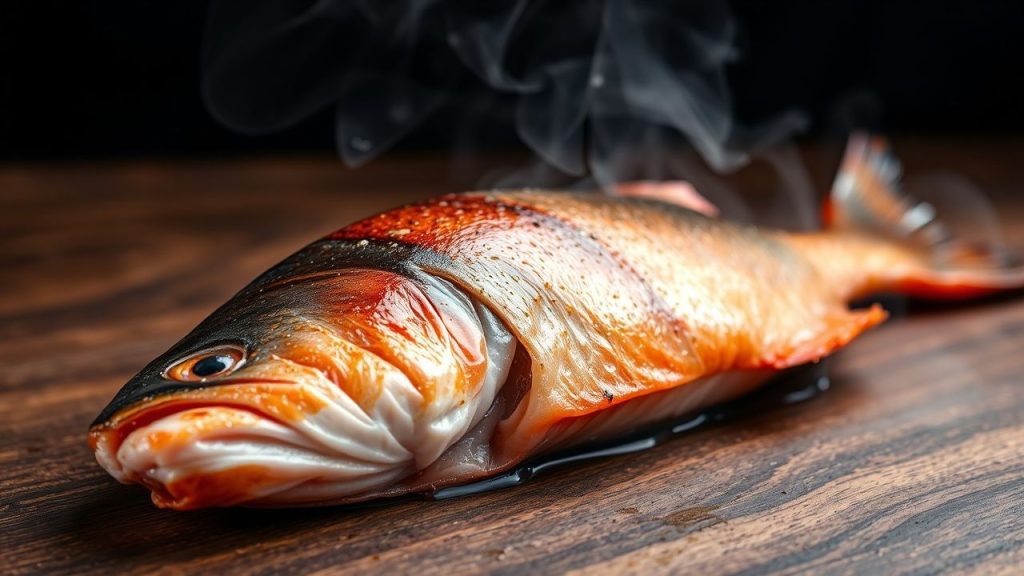
Imagine biting into a piece of smoked fish where each flake bursts with smoky depth and a golden crust. The pellicle—the thin, tacky film that forms on the surface before smoking—controls smoke pickup, color and crust formation.
- Pellicle forms as surface proteins coagulate and lose moisture.
- Proper brine + dry time gives consistent smoke adhesion and improved texture.
- Both hot and cold smoking benefit from a well-formed pellicle.
- Humidity and airflow determine how long pellicle formation takes.
Mastering the Art of Pellicle Creation for Optimal Smoke Absorption
Pellicle formation starts with controlled curing and thoughtful drying. When surface moisture evaporates, proteins denature and create a slightly sticky film that captures particulate smoke compounds efficiently.
Developing a predictable pellicle shortens trial-and-error in your smoking routine and raises consistency. Skilled smokers use it to tune smoke intensity and achieve a glossy, flavorful finish that holds up during slicing.
Prep and Cook Time
Preparation: Expect 15–30 minutes active prep plus 1–4 hours of air-drying depending on conditions. Brining usually runs 4–6 hours for most fillets.
Smoke Time: Smoke at low temperatures for delicate flavor: typical ranges run 1–3 hours at 175–200°F for hot smoking, and longer for cold smoking setups.
Yield & Difficulty
Yield: A 2-lb batch commonly serves 4–6 people depending on portion size and appetite.
Difficulty: Medium. The process demands patience and basic control of humidity and temperature but rewards with predictable results.
Ingredients and Tools You Need
Use fresh, sashimi-grade or high-quality fillets such as salmon, trout or mackerel to get reliable pellicle formation and superior mouthfeel. Fatty species tend to form pellicles faster and capture smoke more fully.
Essential tools include a non-reactive brining container, clean wire rack or perforated tray for airflow, a thermometer for smoker control, and optional small fan for humid climates.
- 2 lbs fresh fish fillets (salmon, trout, or mackerel preferred)
- 3 tablespoons kosher salt
- 2 tablespoons brown sugar
- 1 teaspoon black pepper
- Optional aromatics: juniper berries, dill or citrus zest
- Ice water for rinsing
- Clean wire rack or perforated tray for drying
Instructions: From Brine to Smoker
Start by mixing salt, sugar and any aromatics for a dry cure or dissolve them in cold water for a wet brine. Use measured proportions to avoid over-salting and maintain flavor balance.
Submerge fillets in the brine and refrigerate for 4–6 hours to lightly cure. The curing draws moisture to the surface, which later aids pellicle formation during drying.
Rinse and Dry
Rinse each fillet gently under cold water to remove excess solutes. Pat dry with paper towels to remove surface liquid before the air-dry stage.
Place fillets skin-side down on a clean wire rack with space between pieces for unobstructed airflow. Refrigerate uncovered or place in a cool, ventilated spot until the surface feels tacky to the touch.
Air-Drying: Timing and Signs
Air-drying can take 1–4 hours depending on humidity and room temperature. Look for a translucent, slightly sticky sheen rather than a wet or slimy surface; that tack indicates the pellicle is ready.
If humidity runs high, position a small fan to move air across the fillets without blasting them dry. A steady breeze reduces drying time and promotes even pellicle formation.
Smoking: Temperature and Wood Choices
Transfer fillets to the smoker as soon as the pellicle develops. For hot smoking, maintain 175–200°F to keep internal moisture while developing crust and color.
Choose mild hardwoods—apple, alder or cherry—when you want a delicate smoke profile. Heavier woods like hickory add boldness but can overpower thin fillets.
Chef’s Notes: Technical Rationale and Practical Tips
The pellicle acts as a binding surface for smoke particulates and soluble phenols. When proteins coagulate on the surface, they provide adhesion points that improve flavor penetration and visual color development.
Understanding the science behind pellicle formation helps you troubleshoot common problems and repeat success from batch to batch.
- Why the pellicle matters: It traps smoke compounds and helps form a crisp, flavorful exterior while retaining internal juiciness.
- Tool tip: Use metal racks for airflow; avoid plastic. Clean surfaces reduce off-odors and microbial risk.
- Timing error: Smoking too soon yields soggy surfaces; waiting too long risks over-drying lean flesh.
- Seasoning variations: Add citrus zest or dill to the brine for subtle aromatic lifts that pair well with smoke.
Use a thermometer to monitor both smoker chamber and product temperature. Precise control reduces the chance of drying out the fillet while allowing adequate smoke exposure.
If you must prepare pellicled fish in advance, refrigerate uncovered overnight and smoke within 24 hours. This method preserves the pellicle while providing scheduling flexibility.
Serving Suggestions
Serve smoked fish thinly sliced with bright, acidic accompaniments to cut through the richness. Lemon, mustard-dill sauces and simple herb oil complement the smoky profile without masking it.
Pair smoked fillets with crisp greens, pickled vegetables or thin slices of rye bread to balance texture and temperature contrasts on the plate.
Nutritional Snapshot
Smoked fish provides concentrated protein and omega fats while remaining relatively low in carbohydrates. Smoking concentrates flavors, so portion control keeps salt and calorie intake reasonable.
Below is a representative nutrient table per 100 g for a typical smoked fillet; values vary by species and curing level.
| Nutrient | Per 100g |
|---|---|
| Calories | 150 |
| Protein | 23g |
| Carbohydrates | 2g |
| Fat | 5g |
Science & Reference Links
For the core techniques discussed here, refer to established practices in food preservation and cooking. Brining and controlled drying are classic steps in cured and smoked products across cuisines.
Explore these reference pages for background on the processes that govern pellicle formation and smoke interaction:
- Smoking (cooking) — overview of smoking methods and heat ranges.
- Brining — mechanisms and common ratios for salt-based curing.
- Curing (food) — how curing affects texture and microbial stability.
- Food drying — principles of moisture removal and airflow control.
- Salmon — common fatty fish used for pellicle-forward smoking.
Q&A
Q: What exactly is a pellicle in fish smoking?
A: The pellicle is a thin, tacky layer of denatured surface proteins that forms after curing and drying. It functions as the adhesive surface for smoke particulates and encourages a uniform, glossy finish.
Q: How long should I air-dry to form a pellicle?
A: Most fish form an effective pellicle in 1–4 hours under cool, breezy conditions. Check for a dry-looking yet slightly sticky surface before transferring to the smoker.
Q: Does the type of fish change pellicle behavior?
A: Yes. Fatty fish like salmon and mackerel pick up smoke and develop pellicles more readily than very lean species. Adjust your timing by species to avoid over-drying thin fillets.
Q: Can I skip pellicle formation and still get good flavor?
A: You can smoke without a pellicle, but expect weaker smoke adhesion and less attractive color. The pellicle amplifies both flavor intensity and visual appeal.
FAQ (Schema-ready)
What is the pellicle and why is it important?
The pellicle is a tacky protein layer that forms on cured fish. It attracts smoke particles and helps create a flavorful, golden crust while preserving interior moisture.
How do I speed up pellicle formation without harming flavor?
Use a cool fan to increase airflow in a controlled manner and place the fillets in a ventilated refrigerator. Avoid heat and direct sunlight which can spoil texture and taste.
Which woods work best with a well-formed pellicle?
Mild fruitwoods such as apple, cherry or alder complement delicate pellicles. Strong woods like hickory deliver bolder results and can overwhelm subtle cures.
Can I form a pellicle after dry-salting versus wet-brining?
Both methods work. Dry-salting often dries surfaces faster, while wet brines pull moisture outward and can produce an even pellicle after proper rinsing and drying.
How do I store pellicled fish if I need to wait before smoking?
Refrigerate uncovered on a rack for up to 24 hours. Smoke within that window to preserve pellicle integrity and limit microbial risk.
Final Notes
Mastering pellicle formation elevates smoked fish from adequate to exceptional. Control brine strength, drying environment and smoker temperature to reproduce consistent results.
Practice with small batches, track variables like humidity and time, and calibrate your routine until the pellicle behaves predictably. The reward is reliably rich, smoky fillets with the texture and appearance of a professional smokehouse.
See also: Pellicle