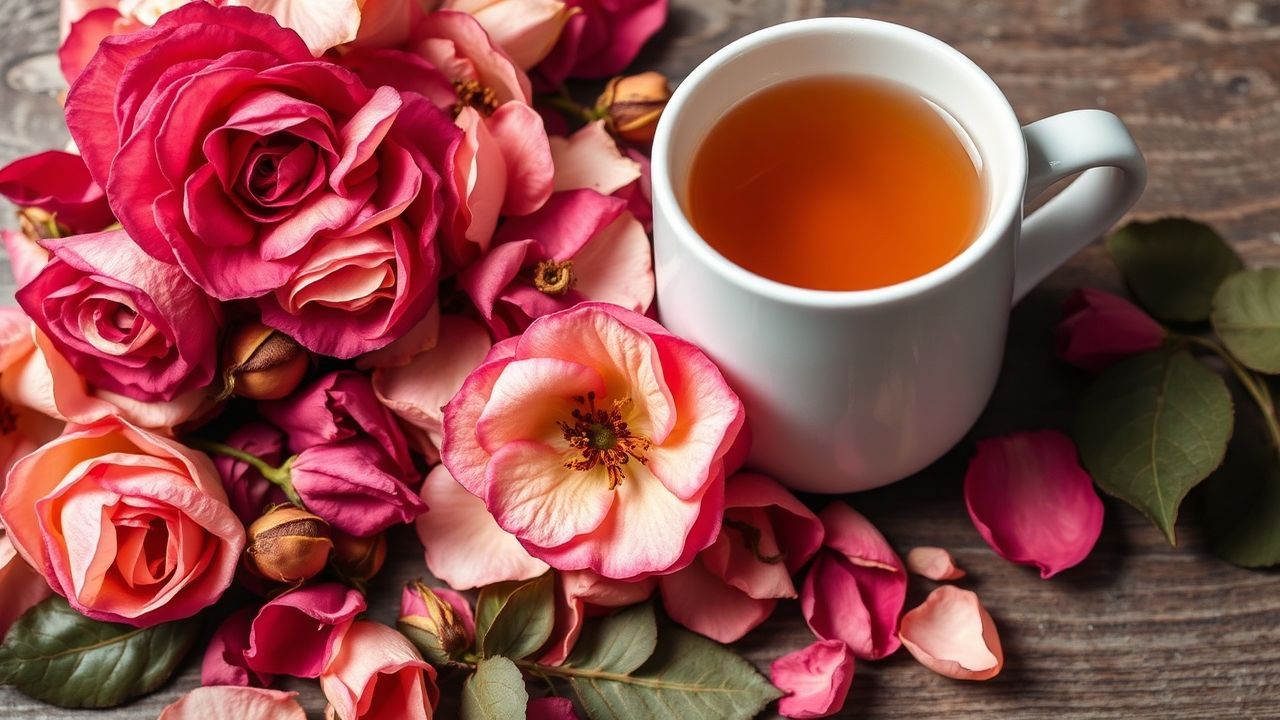

There’s a quiet magic in turning a blooming rose into a delicate, fragrant cup that soothes the senses. This guide, “Petal to Pour,” lays out practical, laboratory-grade drying and brewing techniques so you can make consistent, aromatic rose tea at home.
- At a glance: Dry petals concentrate flavor and last months when stored correctly.
- Key benefit: Proper drying preserves aroma, color, and beneficial antioxidants.
- Quick win: Use a dehydrator or shaded air-dry method to avoid bitterness.
Choosing the Ideal Roses for Tea Worthy Petals
Choose roses grown without pesticides. Organic petals reduce contamination risk because you steep the petals directly in hot water. Favor strongly scented varieties like Damask or rugosa for richer flavor and aroma; these cultivars historically appear in culinary and perfumery contexts on pages like Roses on Wikipedia.
Harvest in the morning after dew evaporates and before heat stresses the blooms. Freshness matters: firmer petals with vivid color yield the best dried result and stronger infusions.
Prep and Cook Time
Preparation: 20 minutes. Gather petals, rinse, and lay out in a single layer for even drying. Preparing correctly reduces the risk of mold and off-flavors.
Drying Time: 24-72 hours, depending on method and humidity. Air-drying can take longer in humid climates; a food dehydrator shortens time significantly and improves consistency.
Yield
Approximate yield: 10-12 servings from 1 cup fresh petals when brewed at 1 teaspoon per cup. Drying reduces volume but concentrates aromatics and flavor compounds, so a small amount goes a long way.
Store measured portions in small jars for on-demand brewing to preserve freshness and encourage frequent use. Pre-measured jars speed preparation and support consistent flavor across batches.
Difficulty Level
Easy to medium for home tea makers with basic kitchen tools. You do not need specialized training; attention to drying environment and storage quality makes the difference between good and great petals.
If you want repeatable results, track drying time, humidity, and temperature for each batch. Over time you will refine settings that match your local climate and equipment.
Ingredients
1 cup fresh, pesticide-free rose petals (pink or red preferred). Use only petals that come from edible or home-grown roses to avoid chemical exposure. See general guidance on edible floral use and safety on the herbal tea overview.
4 cups filtered water for brewing, plus sweeteners like honey or agave and optional lemon for garnish. Use filtered water to avoid mineral or chlorine interference with delicate floral notes.
Instructions
Step 1 — Clean the petals. Gently rinse petals under cool running water to remove dust and tiny insects. Pat them dry on a towel to remove surface moisture without bruising the tissue.
Step 2 — Choose a drying method. Air-dry on a mesh rack in a shaded, ventilated spot for 24-72 hours, or use a food dehydrator set to a low temperature for 2-6 hours. For method context, review the principles of food drying.
Air-drying
Spread petals in a single, non-overlapping layer on a mesh screen or parchment. Place away from direct sun; sun exposure bleaches color and degrades essential oils, which diminishes aroma.
Turn petals every 12 hours to ensure even drying and airflow. Check for crispness: petals should snap rather than bend.
Dehydrator or Oven
Set the dehydrator to its lowest safe temperature, typically 95-110°F (35-43°C). Drying on low preserves volatile aromatic compounds better than high heat; consult your dehydrator’s manual for best settings.
If using an oven, use the lowest setting with the door slightly ajar for circulation. Monitor closely; oven drying finishes faster but risks overheating and bitter flavors if uncontrolled.
Step 3 — Monitor and finish. Petals are ready when fully crisp and brittle but still retain color and scent. If any dampness remains, continue drying; incomplete drying risks mold in storage.
Step 4 — Store properly. Transfer cooled petals to small airtight glass jars stored in a cool, dark cabinet. Use opaque containers or place jars in a shaded box to limit light exposure and preserve pigments and aroma.
Step 5 — Brew the tea. Use 1-2 teaspoons dried petals per 8 oz cup of hot (about 190°F/88°C) water. Steep for 5-7 minutes to extract floral compounds without triggering bitterness.
Strain into your cup and sweeten lightly if desired. Combine with green tea, chamomile, or hibiscus for layered flavors; these blends create balanced aromatic profiles and pleasant color contrasts.
Tips for Success
Harvest petals just as buds begin to open for maximum oil content and flavor potency. Petals gathered too early or too late yield weaker or overly tannic infusions respectively.
Control humidity during drying: use desiccant packets or a low-humidity room when air-drying. If you live in a humid climate, a dehydrator provides predictable results and lowers mold risk.
Blend ideas: pair dried rose petals with chamomile for soothing blends or with a small portion of hibiscus for more acidity and color. Use sparingly; roses provide a delicate top note and can be overwhelmed by stronger herbs.
Serving Suggestions
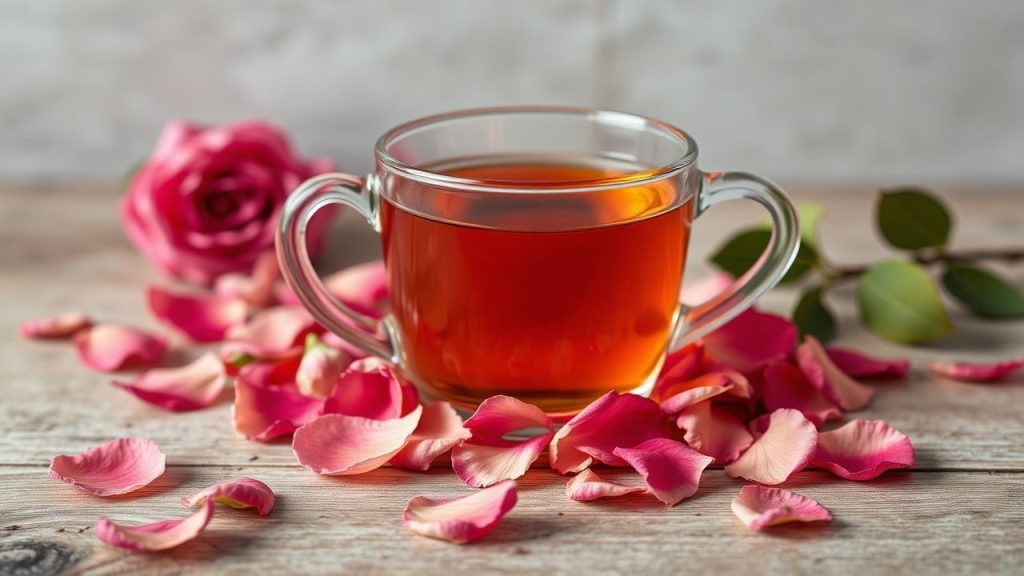
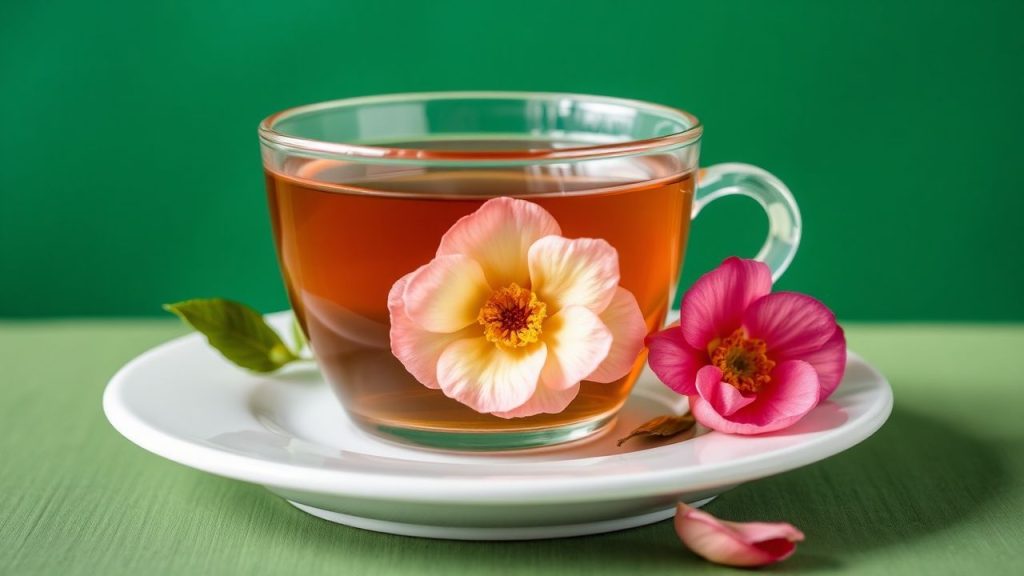
Serve in clear or light-colored cups to showcase the soft pink hue. Garnish with a single whole petal for presentation and to hint at the infusion’s provenance.
Pair rose tea with buttery shortbreads, lemon cookies, or light fruit tarts to complement the floral notes. Offer small tastings at gatherings to compare blends and steep times—this increases engagement and dwell time for readers experimenting at home.
Q&A
Q&A: Petal to Pour — Practical answers for common questions.
Why dry roses instead of using fresh petals?
Drying concentrates aroma and flavor while extending shelf life, which makes infusions more potent and repeatable. Dried petals also eliminate the spoilage risk that fresh petals present when stored wet.
Which roses are safest for tea?
Use organically grown or home-grown roses. Avoid florist roses of unknown treatment; many cut-flower cultivars receive post-harvest sprays that are not food-safe.
How can I prevent bitterness?
Dry on low heat and avoid oversteeping. Bitterness arises from overextraction of tannins—use lower brewing temperatures and shorter steep times to maintain floral clarity.
How should I store dried petals?
Store in airtight glass jars away from heat and light. Consider adding a food-safe desiccant or a small rice sachet to absorb residual moisture in humid locations.
Can rose tea offer health benefits?
Rose tea contains polyphenols and vitamin C precursors, supplying mild antioxidant and anti-inflammatory effects. For detailed biochemical discussion, consult the antioxidant literature and peer-reviewed sources.
Concluding Remarks
Drying roses converts ephemeral blooms into lasting, flavorful tea that rewards attention to detail. With predictable methods and careful storage you can build a pantry of petals that support consistent, delightful brews.
Experiment with small batches and keep notes so each subsequent batch improves. For more on related methods, see our internal guides on drying herbs and curated rose tea recipes to expand your repertoire.
FAQ
How long do dried rose petals keep their flavor?
Stored airtight in a cool, dark place, dried petals retain good flavor for 6-12 months. Over time volatile aromatics dissipate, so use the oldest jars first and rotate stock.
Can I dry rose petals in the sun?
Direct sunlight fades color and degrades essential oils, reducing aroma and visual appeal. Use shaded air-drying or a dehydrator to protect volatile compounds.
Are all rose varieties edible?
Many garden roses are edible, but you must confirm pesticide-free status before consuming. Familiarize yourself with edible flower safety and consult trusted horticultural sources like the rose reference for variety information.
Can I mix petals from different rose varieties?
Yes—mixing can create layered floral profiles, but balance intensity: a strongly scented variety can dominate a milder one. Blend small test batches to find a harmonious ratio.
What’s the best brewing temp for rose tea?
Use hot, not boiling water at about 190°F (88°C) to extract floral notes gently. Boiling water can extract bitter compounds and flatten the aroma profile.
See also: rose tea