By using this site, you agree to the Privacy Policy and Terms of Use.
Accept

CookHarvest

  • Home
  • About Us
  • Homemade Staples
    • Bread & Butter
    • DIY Dairy
    • Sauces & Condiments
    • Spice Mixes
  • Canning & Pickling
    • Jams & Jellies
    • Pickled Veggies
    • Chutneys & Relish
    • Tomato Sauces
  • Drying & Curing
    • Dehydrated Snacks
    • Homemade Jerky
    • Smoked Meats
    • Dried Herbs
  • Wild Foods
    • Wild Greens
    • Wild Mushrooms
    • Wild Berries
    • Nuts & Acorns
  • More
    • Tasty Ideas
    • American Home Meals
      • Comfort Eats
      • One-Pot Meals
      • Quick & Easy
      • Southern Classics
    • International Recipes
      • Asian Recipes
      • Italian Flavors
      • Mediterranean Flavors
      • Mexican Eats

CookHarvest

  • Home
  • About Us
  • Homemade Staples
  • Canning & Pickling
  • Drying & Curing
  • Wild Foods
  • More
Search
  • Home
  • About Us
  • Homemade Staples
    • Bread & Butter
    • DIY Dairy
    • Sauces & Condiments
    • Spice Mixes
  • Canning & Pickling
    • Jams & Jellies
    • Pickled Veggies
    • Chutneys & Relish
    • Tomato Sauces
  • Drying & Curing
    • Dehydrated Snacks
    • Homemade Jerky
    • Smoked Meats
    • Dried Herbs
  • Wild Foods
    • Wild Greens
    • Wild Mushrooms
    • Wild Berries
    • Nuts & Acorns
  • More
    • Tasty Ideas
    • American Home Meals
    • International Recipes
Follow US
  • Advertising Policy
  • Contact Us
  • Cookie Policy
  • Copyright Notice
  • Disclaimer
  • Privacy Policy
  • Terms of Service
By Fimaw.com
Sourdough Bread - Master Classic Sourdough Bread: Step-by-Step Recipe for Tangy Crust and Chewy Crumb
CookHarvest > Blog > Homemade Staples > Bread & Butter > Master Classic Sourdough Bread: Step-by-Step Recipe for Tangy Crust and Chewy Crumb
Bread & Butter

Master Classic Sourdough Bread: Step-by-Step Recipe for Tangy Crust and Chewy Crumb

Dennis Powell By Dennis Powell Published February 13, 2026
Share
SHARE

Master Classic Sourdough Bread: Step-by-Step Recipe for Tangy Crust and Chewy Crumb

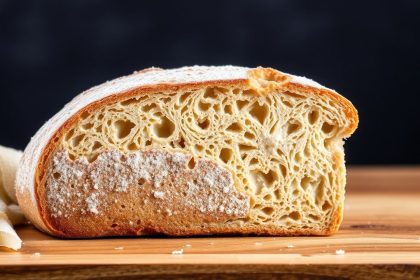
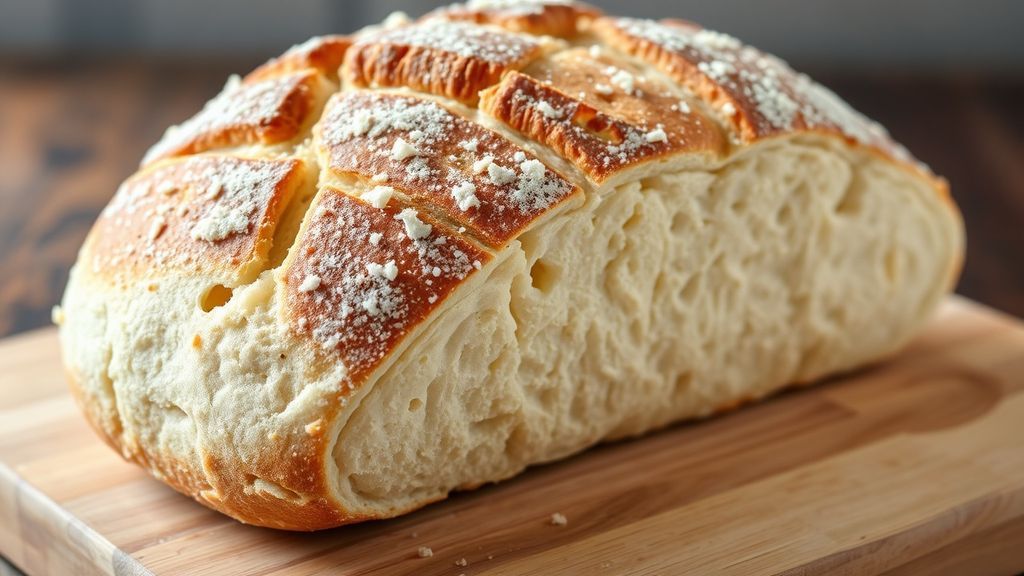
Sourdough bread blends microbiology, ingredient chemistry, and tactile technique. This guide gives a complete, shop-tested workflow—from starter management and autolyse through shaping, cold proofing, and a steam-assisted bake—so home ovens can reliably produce a blistered crust and an open, chewy crumb. Where appropriate, rationale and troubleshooting are included so bakers can diagnose dough behavior rather than blindly changing weights or times.

Contents
Master Classic Sourdough Bread: Step-by-Step Recipe for Tangy Crust and Chewy CrumbSourdough Bread: Introduction & HistorySourdough Bread IngredientsSourdough Bread Preparation MethodSourdough Bread Nutritional InfoSourdough Bread Expert Pro-TipsSourdough Bread ConclusionFAQ about Sourdough Bread
  • Key takeaway 1: A fully active starter establishes both fermentation power and the acid profile that defines tang and oven spring.
  • Key takeaway 2: Hydration, dough temperature and purposeful handling determine crumb openness and crust characteristics.
  • Key takeaway 3: Bench rest, tight shaping, and a hot, steamy first bake combine to create a pronounced ear and caramelized, blistered crust.
  • Key takeaway 4: Small, repeatable technique changes—scale readings, TDT control, and incremental hydration adjustments—deliver large improvements in consistency.
📜 Table of Contents
  • Sourdough Bread: Introduction & History
  • Sourdough Bread Ingredients
  • Sourdough Bread Preparation Method
  • Sourdough Bread Nutritional Info
  • Sourdough Bread Expert Pro-Tips
  • Sourdough Bread Conclusion
  • FAQ about Sourdough Bread

Sourdough Bread: Introduction & History

Sourdough is humanity’s oldest leavening system in continuous use. Wild yeast and lactobacilli in a maintained starter produce CO2 for rise and a mixture of lactic and acetic acids that create the characteristic tang. Traditional levains—regional “mother doughs”—reflect local grain and microbial ecosystems; modern home baking borrows those principles while adding precise weighing and temperature control for reproducible results.

The acids and fermentation byproducts also alter wheat components: partial starch degradation increases digestibility, and proteolytic activity affects extensibility. Understanding these biological processes helps make deliberate choices about proof temperature and duration to shape flavor, crumb, and crust.

Sourdough Bread Ingredients

Ingredient quality and measurement precision are the foundation of repeatability. Use a digital scale for all ingredients; volume measures vary too widely to tune hydration reliably. Filtered water is recommended if municipal water is heavily chlorinated. Prefer unbleached or minimally processed flours—protein content and ash level change water absorption and enzymatic activity.

Ingredients List

Formula yields one 900–1,000 g loaf (baked weight). Recommended target dough temperature (TDT) is ~24°C / 75°F unless noted.

  • Levain/Starter: 50 g active mature starter (100% hydration)
  • Flour: 450 g bread flour (≈3 1/2 cups) + 50 g whole wheat (≈1/3 cup)
  • Water: 350 g at 24–26°C / 75–79°F (≈1 1/2 cups)
  • Salt: 10 g (≈1 3/4 tsp)
  • Optional: 5–10 g diastatic malt powder for improved crust color and enzyme activity (≈1–2 tsp)

Adjust hydration by 1–2% to compensate for local flour absorption. Keep a log: flour brand, ambient temperature, TDT and final dough feel; these notes are the quickest path to consistent bakes.

Sourdough Bread Preparation Method

Sequence: refresh starter to peak → autolyse (flour + most water) → incorporate levain + salt → bulk ferment with scheduled folds → pre-shape and bench rest → final shape and cold proof → score and bake in a steamy environment. The following steps include target sensations and objective signs for each stage so timing adapts to dough behavior rather than rigid clocks.

Target dough temperature (TDT) drives fermentation rate and acid profile. A warmer TDT (26–28°C) shortens ferment times and favors lactic fermentation with milder acidity; a cooler TDT (20–22°C) lengthens fermentation and favors acetic acid production, increasing tang. Measure flour and water temperatures to hit your TDT; a simple spreadsheet or phone app helps calculate required water temperature.

Starter Management

Use starter at its peak activity for predictable leavening and flavor. Peak activity typically presents as a doubling or more in volume, domed surface, abundant medium-to-large bubbles, and a pleasant acidity with no burned or alcoholic smell. For a 50 g levain in this formula, a 1:3:3 feed ratio (starter:water:flour) at 24°C usually peaks in 4–8 hours; adjust feed ratio and timing for cooler or warmer environments.

Perform a simple verification: a jar marked with starting level will show 1.5–2× rise at peak; a gentle collapse within an hour after the peak indicates the window to mix. The float test can be informative but is not definitive—some vigorous starters sink yet still deliver excellent rise.

Autolyse and Mixing

Combine all flour and 80–90% of the water; mix until no dry pockets remain and rest 30–60 minutes. Autolyse hydrates starches and proteins and activates endogenous enzymes that improve extensibility and flavor. After autolyse, add levain and salt; incorporate by pinching, slap-and-fold (if using higher hydration), or a short mechanical mix. Mix just until the dough is cohesive and developing gluten—overmixing reduces gas retention and can tighten the crumb.

Hand mixing methods: 8–12 sets of pinches across the dough, or 30–60 slow kneads, are usually sufficient for this hydration range. If the dough feels overly tight, allow a 15–20 minute bench rest to relax before further handling.

Bulk Fermentation & Stretch-and-Fold

Bulk ferment at target dough temperature until the dough shows a 20–50% increase in volume depending on desired acidity and structure. For a moderately tangy loaf aim for ~30–40% rise. During the first 1.5–2 hours, perform 3–4 series of stretch-and-folds spaced 20–30 minutes apart: each set consists of 4 folds (north, east, south, west). These builds strengthen the gluten without degassing aggressively.

Qualitative signs: the dough should develop a satiny surface, show gas bubbles through the dough windowpane, and feel aerated and slightly buoyant. Avoid extended bulk fermentation to the point where the dough becomes slack and cannot hold shape; that indicates overfermentation and risks collapse at bake.

Shaping, Proofing & Scoring

Pre-shape gently to form surface tension, rest 20–30 minutes on the bench, then shape into a tight boule or batard. For maximal oven spring, create high surface tension using a rolling motion on the bench and final tightening pulls. Place the loaf seam-side up in a floured banneton for cold proofing or seam-side down on a couche for same-day proof.

Cold proof in the refrigerator 8–16 hours for flavor development and ease of scoring; longer chills (up to 48 hours) increase acidity and sometimes improve crust browning but may reduce oven spring if over-chilled. For a shorter, milder-flavored loaf, proof at room temperature 2–4 hours after shaping until the dough shows a gentle rise.

Score with a very sharp lame or razor at a shallow angle (15–30°) to create a thin flap that becomes the ear. Typical scores: a single 4–5 cm slash for a boule, or a 5–7 cm lengthwise slash for a batard. Practice on smaller dough pieces to build consistency in speed and angle; hesitating or using a dull blade tears the dough and kills oven spring.

Baking Technique

Preheat a dutch oven, cloche, or baking stone to 250°C (approx. 480–485°F) for at least 45 minutes. Bake covered for 15–22 minutes to trap steam and allow the crust to remain supple during early oven spring. Remove cover and reduce oven temperature to 230°C (approx. 445–450°F) and bake an additional 18–28 minutes to develop color and blistering. Total bake time will vary by vessel and loaf size; internal temperature target is 98–100°C (208–212°F) for a fully baked crumb.

Steam strategy: if not using a covered vessel, introduce steam by placing a preheated metal tray on the oven floor and pouring 150–250 ml boiling water into it just before loading the loaf, or use a spray bottle to mist the oven immediately after loading. Remove the steam source or open vents after the first 12–18 minutes to promote caramelization.

Rest the loaf on a cooling rack 1–2 hours before slicing; the crumb continues to set as residual heat dissipates, and premature slicing yields a gummy interior.

Sourdough Bread Nutritional Info

Nutrition varies by exact flour, optional additions, and final baked weight. The following is an approximate per-slice estimate for a 900 g loaf divided into 12 slices (75 g per slice), calculated from standard ingredient composition and typical bake weight loss.

  • Serving size: 1 slice (≈75 g)
  • Calories: 200 kcal
  • Carbohydrates: 40 g
  • Protein: 6 g
  • Fat: 1.2 g
  • Fiber: 2 g
  • Sodium: 210 mg

Long fermentation reduces some FODMAPs and partially breaks down starches and proteins, which may improve tolerance for some individuals; sensitivity varies and should be evaluated case by case.

Sourdough Bread Expert Pro-Tips

💡 Expert Insight
Expert Insight: Track TDT (target dough temperature) and use short, objective checks—poke test, windowpane, and percentage rise—instead of fixed time intervals. A small probe thermometer and a 0.1 g-resolution scale are the highest-value tools for repeatability.

Starter hygiene is practical: avoid metal utensils for long-term starter storage if your starter will sit in reactive containers, keep containers loose-lidded to allow CO2 escape, and maintain a predictable feeding schedule keyed to your baking cadence. A banneton with a linen liner gives consistent surface friction for predictable shaping and scoring responses.

⚠️ Pro-Caution
Pro-Caution: Overproofed dough often deflates in the oven and produces a flat, gummy crumb. If a gentle poke leaves no spring and the dough collapses, shorten bulk or final proof time or lower proof temperature next bake. Conversely, an underproofed loaf will resist expansion and can burst erratically during the oven spring.

Use a very sharp blade for scoring; a dull tool compresses the surface and prevents a clean ear. If you like pronounced blistering, bake with high initial steam and avoid brushing the crust immediately after baking; spray lightly only if aesthetically needed.

Sourdough Bread Conclusion

Controlling starter activity, hydration, dough temperature, and handling produces a consistent, tangy sourdough with an open crumb and blistered crust. Change only one variable at a time—hydration, number of folds, or proof temperature—to evaluate its true effect. Over several bakes you will tune a reliable routine that matches your flour, ambient conditions, and flavor preference.

Keep a concise bake log (date, starter ratio/time since feed, TDT, hydration, number of folds, proof times, bake vessel and temperature, and outcome notes). That record will accelerate progress from “luck” to repeatable technique on a professional level.

FAQ about Sourdough Bread

How do I know if my sourdough starter is ready?

Reliable signs: a clear doubling (or more) in a marked jar, a domed and bubbly surface, and an aromatic balance of acidity without sharp alcoholic notes. Peak activity often coincides with the levain holding its structure for a short period before slowly collapsing. Use that peak window to mix; the float test can help but is not definitive for denser levains.

Can I use whole wheat or rye for sourdough bread?

Yes. Whole-grain flours increase enzymatic activity and absorption. Whole wheat generally requires slightly less water by feel than equivalent weightrates might suggest because bran cuts gluten strands; however, many bakers increase hydration to offset perceived dryness. Rye binds differently and lacks the gluten strength of wheat—use rye in blends (10–30%) or adjust expecta­tions for a denser crumb. For high-percentage rye (≥50%), reduce bulk fermentation time and manage acidity to avoid a gummy texture.

What is the ideal hydration for an open crumb?

For bread-flour-based formulas, 70–80% hydration typically encourages larger alveoli and a more open crumb. Higher hydration (80% and above) increases openness but demands gentle handling and stronger gluten development; lower hydration (under 68%) yields more even, smaller holes. Increase or decrease hydration in 2–3% steps and document results.

How do I store sourdough bread to keep it fresh?

Store at room temperature in a paper bag or bread box for 2–3 days to maintain crust texture. For longer storage, slice and freeze; toast or warm slices directly from the freezer. Avoid refrigeration for storage, since cool temperatures accelerate starch retrogradation and staling.

Can sourdough be made without a dutch oven?

Yes. Use a preheated baking stone or steel and generate steam with a tray of boiling water or by sliding the loaf onto the stone and quickly adding steam to a preheated pan. A cloche, covered cast-iron skillet, or metal bowl inverted over the loaf also replicates the humid microenvironment of a dutch oven. Without a cover, preheat longer and manage steam carefully to protect early oven spring.

External reference: For historical context and broader science, see Sourdough — Wikipedia.

Internal link suggestion: Add a clear link from this recipe to your site’s advanced starter tutorials or a dedicated starter guide, using anchor text such as “Sourdough starter maintenance” for topical relevance. Also link to articles on autolyse technique and cold-proofing to create a practical learning path.


See also: Sourdough Bread

You Might Also Like

The Ultimate Guide to Maple Butter: 5 Irresistible Recipes That Elevate Breakfast and Dinner

Fluffy Biscuits: 5 Secrets for Bakery-Soft, Buttery Perfection

7 Irresistible Recipes Using Smoked Salt Spread That Transform Everyday Meals

Garlic Knots: The Ultimate 5-Step Homemade Recipe for Soft, Chewy, Flavor-Packed Knots

The Ultimate 5-Minute Cinnamon Spread Recipe — Smooth, Sweet, and Chef-Ready

TAGGED:artisan sourdough techniquesautolyse methodcold proofing sourdoughdough hydration sourdoughhigh hydration sourdoughopen crumb sourdoughscoring and steam bakingsourdough bread recipesourdough starter caresourdough starter maintenancesourdough troubleshootingsteam bake techniquetangy crust sourdough
Share This Article
Facebook Twitter Pinterest Whatsapp Whatsapp LinkedIn Telegram Threads
What do you think?
Love0
Sad0
Happy0
Sleepy0
Angry0
Dead0
Wink0
Previous Article Cinnamon Spread - 3-Ingredient Cinnamon Sugar Spread: Creamy, Sweet, and Ready Fast 3-Ingredient Cinnamon Spread: Creamy, Sweet, and Ready Fast (The Toast-Obsessed Favorite)
Next Article Honey Butter - Homemade Honey Butter Recipe: 5 Variations to Elevate Breakfast Toast The Ultimate Honey Butter Guide: 5 Gourmet Variations to Elevate Breakfast Toast
Eggplant Parmesan - Crispy Baked Eggplant Parmesan: Classic Comfort, Lighter and Flavorful
Eggplant Parmesan: Crispy Baked Comfort Redefined — Classic Flavor, Lighter and Flavorful
Tasty Ideas
Garlic butter - 7 Creative Ways to Use Roasted Garlic Butter (Bread, Pasta, Steak & More)
Garlic butter: 7 Creative, Restaurant-Level Uses for Roasted Garlic Butter (Bread, Pasta, Steak & More)
Bread & Butter
Honey Butter - Homemade Honey Butter Recipe: 5 Variations to Elevate Breakfast Toast
The Ultimate Honey Butter Guide: 5 Gourmet Variations to Elevate Breakfast Toast
Bread & Butter
Cinnamon Spread - 3-Ingredient Cinnamon Sugar Spread: Creamy, Sweet, and Ready Fast
3-Ingredient Cinnamon Spread: Creamy, Sweet, and Ready Fast (The Toast-Obsessed Favorite)
Bread & Butter

Most Viewed Posts

  • Top Starter Cultures to Craft Creamy Homemade Yogurt (866)
  • Soothing DIY Bath Salts with Dried Herbs & Blooms Guide (694)
  • Whip Up Creamy Buttermilk Ranch Dressing at Home Today (669)
  • Melt Magic: Your Ultimate Guide to Homemade Cheese Fondue (655)
  • Mastering the Art: How to Smoke Perfect Summer Sausage (646)

Tags

and art beef berry bread butter chicken classic crafting creamy crispy crunchy easy exploring flavorful for fresh garlic golden guide hearty homemade how lemon mastering mexican perfect quick savor savoring savory southern sweet tangy the top turkey ultimate unlock unlocking why wild with your zesty

You Might Also Like

Buttermilk Biscuits - Fluffy Buttermilk Biscuits That Rise Every Time: Tips from Pros
Bread & Butter

The Ultimate Guide to Buttermilk Biscuits That Rise Every Time

Dennis Powell Dennis Powell February 13, 2026
Sourdough Bread - Classic Sourdough Bread: 7 Pro Tips for Better Oven Spring and Crust
Bread & Butter

Classic Sourdough Bread: 7 Pro Tips for Bigger Oven Spring, Crackly Crust, and Cleaner Scores

Dennis Powell Dennis Powell February 13, 2026
Maple Butter - 3-Ingredient Maple Sea Salt Butter (Better Than Store-Bought)
Bread & Butter

3-Ingredient Maple Butter With Sea Salt: The Silky, Better-Than-Store-Bought Spread

Dennis Powell Dennis Powell February 13, 2026
Churn Charm: A Step-by-Step Guide to Making Goat Butter
Bread & Butter

Churn Charm: A Step-by-Step Guide to Making Goat Butter

Dennis Powell Dennis Powell January 12, 2026
Whipping Up Butter: Easy Steps Using Your Stand Mixer
Bread & Butter

Whipping Up Butter: Easy Steps Using Your Stand Mixer

Dennis Powell Dennis Powell November 16, 2025
Crafting Homemade English Muffin Bread: Loaf-Form Delight
Bread & Butter

Crafting Homemade English Muffin Bread: Loaf-Form Delight

Dennis Powell Dennis Powell November 13, 2025
Follow US
By Fimaw.com © All Rights Reserved.
  • Advertising Policy
  • Contact Us
  • Cookie Policy
  • Copyright Notice
  • Disclaimer
  • Privacy Policy
  • Terms of Service
Welcome Back!

Sign in to your account

Lost your password?