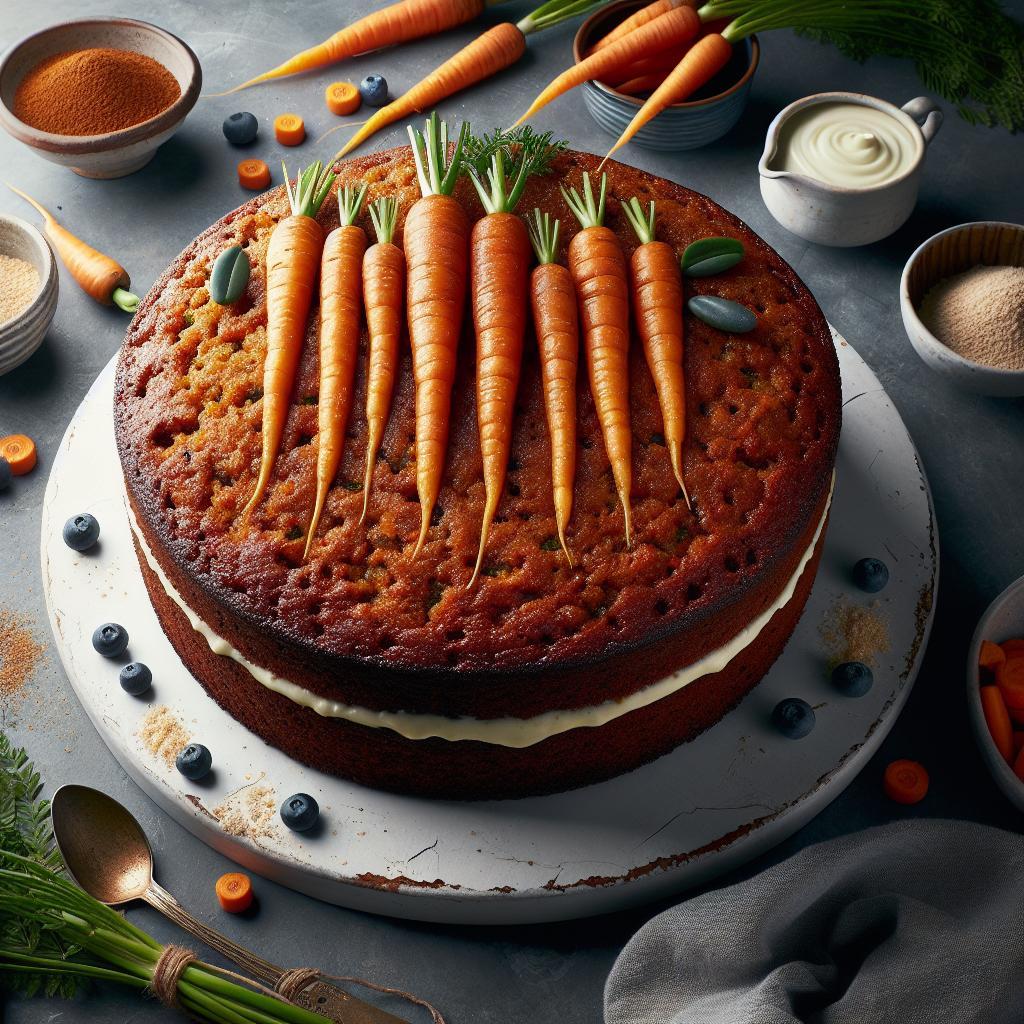

The Southern Living carrot cake remains a benchmark for home bakers who seek a reliable, flavorful celebration cake. This version marries a tender, spiced crumb with a tangy cream cheese frosting and optional crunchy nuts, delivering balance and comfort in every slice.
- Classic balance: spice, moisture, and tang form the core profile.
- Texture control: gentle mixing preserves a light crumb while shredded carrots add natural moisture.
- Frosting chemistry: room-temperature cream cheese and butter ensure a stable, smooth frosting.
- Adaptability: the recipe adapts to dietary swaps without losing its signature profile.
Origins and Why This Cake Endures
Carrot-based cakes trace to medieval Europe where sweet vegetables extended scarce sugar, evolving into modern baked desserts. The Southern Living interpretation refines that history into a crowd-friendly format with balanced spices and a cream cheese finish.
Southern food culture prizes hospitality and desserts that travel well to gatherings, which explains this cake’s staying power. For context on regional cuisine influences, see Southern United States cuisine for background on ingredient traditions.
Signature Ingredients and Their Roles
Every ingredient plays a technical role: flour forms structure, sugar tenderizes and sweetens, oil keeps the crumb moist, and eggs stabilize and leaven. Spices such as cinnamon and nutmeg contribute aroma and depth without overpowering the carrot’s natural sweetness.
Adding crushed pineapple introduces acidity and humidity, which keeps the cake soft while contributing subtle tropical notes. For reference on specific components, consult general ingredient chemistry such as cream cheese properties when crafting frostings.
Ingredient List (Per Two 9-inch Layers)
Dry: 2 cups all-purpose flour, 1 tsp baking powder, 1 tsp baking soda, 1 1/2 tsp ground cinnamon, 1/2 tsp grated nutmeg, 1/2 tsp fine salt.
Wet: 4 large eggs, 1 cup vegetable oil (neutral), 1 tsp pure vanilla, 2 cups finely shredded carrots, 1/2 cup drained crushed pineapple, 1 cup chopped walnuts or pecans (optional).
Frosting: 8 oz cream cheese (softened), 1/2 cup unsalted butter (softened), 3–4 cups powdered sugar, 1 tsp lemon juice.
Prep, Timing, and Equipment
Set the oven to 350°F (175°C) and prepare two 9-inch round pans with grease and flour or parchment rounds for straightforward releases. Effective timing keeps the crumb tender: 20 minutes active prep, 35–40 minutes bake, and roughly 1 hour for cooling and frosting.
Use a large mixing bowl, a whisk for dry ingredients, a hand mixer or stand mixer for wet ingredients, and a spatula to fold without overworking the batter. Make sure racks and timers are positioned to avoid rushed transitions that cause frosting melt or compressed crumbs.
Step-by-Step Instructions
Begin by whisking the dry ingredients until evenly distributed to ensure consistent rising and spice dispersion. Separately beat eggs with granulated and brown sugar until the mixture lightens, then stream in oil while mixing steadily to emulsify the batter.
Batter Assembly and Baking
Fold the dry mix into the wet base just until combined; stop when no flour streaks remain to prevent gluten overdevelopment. Fold in shredded carrots, drained pineapple, and nuts gently to maintain texture distribution through the batter.
Divide batter evenly among prepared pans and bake 35–40 minutes, testing with a toothpick for a few moist crumbs but no raw batter. Cool cakes in pans for 10 minutes before inverting to wire racks to reach room temperature; frost only when fully cooled to avoid runny frosting.
Frosting and Assembly
Beat softened cream cheese and butter until smooth and lump-free. Add lemon juice, then gradually incorporate powdered sugar until the frosting reaches a stable, spreadable consistency that holds peaks lightly.
Spread a generous layer of frosting on the first cake, set the second layer, and coat the top and sides evenly. Optionally garnish with chopped nuts and a light dusting of cinnamon for presentation and texture contrast.
[h2]>Tips for Consistent Results
Control moisture by using finely shredded but not pulped carrots; a coarse shred will preserve texture while releasing liquid slowly during baking. Drain pineapple thoroughly; excess juice will alter the batter ratio and risk a gummy crumb.
Use room-temperature dairy to help fats combine and prevent frosting separation. When substituting flours or sweeteners, adjust hydration incrementally and expect modest shifts in crumb and browning.
Allow cakes to rest at least 12 hours when possible; flavors meld and the texture evens out, producing a more cohesive slice. Refrigerate if storing longer than two days to preserve cream cheese frosting stability and food safety.
Storage, Make-Ahead, and Adaptations
Store unfrosted layers wrapped tightly at room temperature for 24 hours, then refrigerate up to 3 days. If frosted, keep the cake refrigerated and remove it 30–60 minutes before serving to soften the frosting and revive aroma.
For dietary swaps, use a 1:1 gluten-free flour blend and a dairy-free cream cheese alternative; expect slight texture differences from gluten and dairy removal. Reduce sugar by up to 25% with small taste tests, and consider adding a spoon of honey or maple to restore mouthfeel when reducing refined sugar.
Serving Suggestions and Pairings
Present the cake on a simple stand to let the frosting and texture speak; offer warm beverages like medium-roast coffee or spiced tea to echo the cake’s spice profile. A scoop of vanilla bean ice cream creates contrast between warm spice and cool creaminess when served as a plated dessert.
Garnishes such as chopped toasted pecans or a thin citrus zest add an aromatic spark and visual appeal. For seasonal menus, serve smaller slices with a side of macerated berries for brightness and acidity.
Nutrition Snapshot and Portioning
Typical servings deliver approximately 430 calories per slice with balanced macronutrients from eggs, oil, and sugar. While indulgent, portion control and accompaniments like fresh fruit can balance a dessert course for events.
For precise dietary tracking, calculate nutrition using ingredient brands and measured yields, since cake recipes vary considerably by moisture content and frosting thickness. Consider offering smaller plated portions to guests to extend servings while maintaining satisfaction.
FAQ
What makes a Southern Living carrot cake unique?
The recipe emphasizes even spice, pineapple for moisture, and a stable cream cheese frosting that complements rather than overwhelms. These choices create a cake that carries well to gatherings and keeps a classic flavor profile.
Can I bake this as a sheet cake or cupcakes?
Yes. Bake times change: cupcakes typically take 18–22 minutes, while a sheet cake will need more time depending on depth. Monitor doneness with a toothpick and adjust for pan material and oven variance.
How do I avoid a soggy center when using pineapple?
Thoroughly drain crushed pineapple and pat lightly with paper towel if needed; fold it in at the end to minimize moisture migration. Avoid using pineapple juice in place of part of the wet ingredients unless you reduce other liquids.
Are nuts necessary, and what are good substitutions?
Nuts add crunch and flavor contrast, but they are optional. Substitute toasted coconut or omit for a nut-free cake and consider adding seeds or a streusel if you want a texture element without tree nuts.
Where can I learn more about carrot cake history and baking science?
Explore background on carrot-based desserts and baking techniques through resources like carrot cake and general guidance on ingredients via cinnamon and pineapple. These sources provide cultural and ingredient-level context.
If you plan menu scaling, test a single batch and record bake times and oven zones to replicate success at larger volumes. Well-documented trials pay off when building a dependable recipe for events.

To explore authoritative baking methodology beyond this recipe, review foundational baking texts and reputable culinary guides that address ingredient functions and temperature control. Practical experience combined with measured adjustments gives the most reliable results.
Final note: preserve the cake’s balance—moisture, spice, and tang—while making small, tested swaps to suit dietary needs or flavor preferences. That approach keeps the dessert recognizably Southern Living while tailoring it to your table.
See also: carrot cake