
buckeyes and chestnuts look similar at a glance, but a few consistent visual and tactile clues separate the toxic from the edible. This concise field guide gives clear, repeatable checks you can use on an autumn walk to identify buckeyes before you pick or feed them to children or pets.
- Shell checks: burr density and spines differ between buckeyes and chestnuts.
- Nut look: glossy, flattened chestnuts vs. rounder buckeyes with a distinct pale eye.
- Handle and store: treat unknown nuts as hazardous until confirmed.
- Emergency steps: recognize buckeyes symptoms and get help quickly.
Quick ID Basics: Buckeyes and Chestnuts
Start with two fast visual checks: the outer casing and the nut surface. These two features give the highest-confidence distinction between buckeyes and chestnuts in the field.
Look at the nut in natural light and rotate it. A glossy chestnut typically shows a flattened pale patch where it sat inside a spiky burr, while a buckeye often shows a round, pale “eye” and a more matte surface.
Shell and burr differences
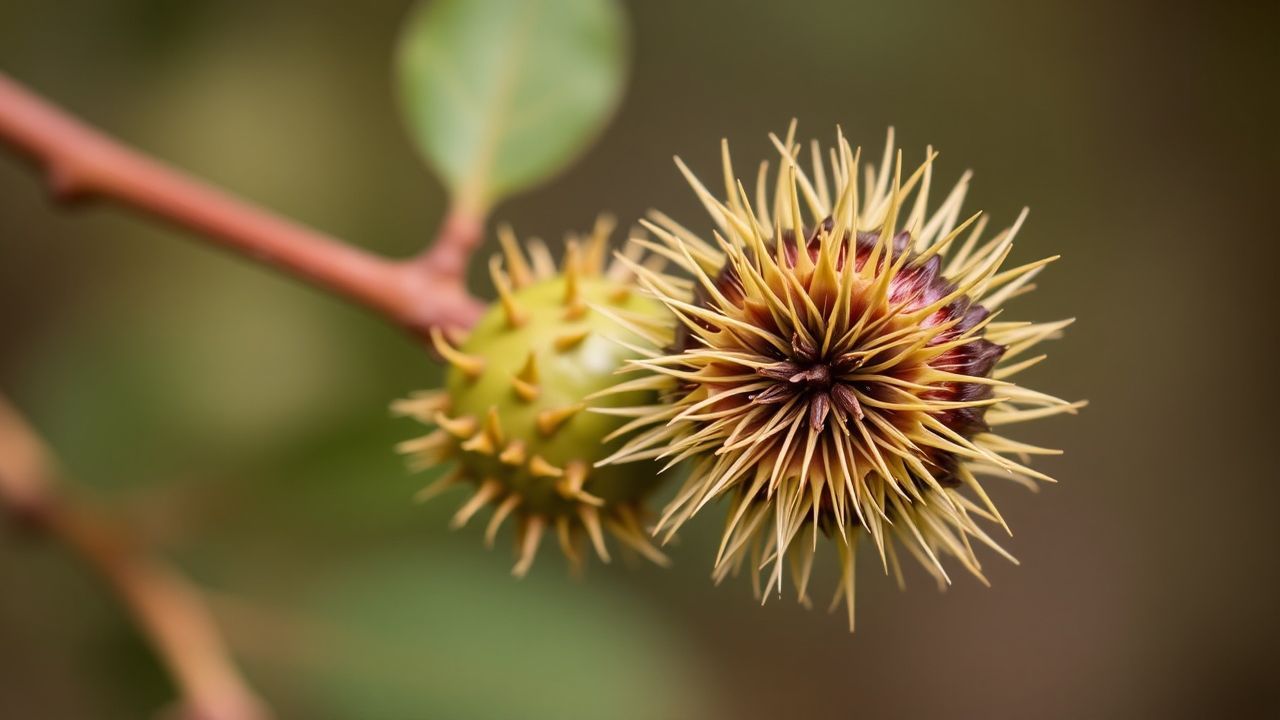
Chestnut burrs are densely spiked and split open to reveal usually two or three nuts. The spikes are long and sharp, making the burr appear very prickly.
Buckeye husks are generally smoother or have short, blunt protuberances and frequently split to expose a single large seed. Finding a single seed per husk points toward buckeyes.
Nut surface and attachment scar
Chestnuts show a glossy, mahogany sheen and a flattened side where the nut rested in the burr. That pale, flattened scar is an immediate visual cue for edible chestnuts.
Buckeyes display a rounder profile with a pale circular eye marking at the attachment point. Shape and the eye both help separate buckeyes from chestnuts at a glance.
How to Use Botanical Clues
When the tree is available for inspection, examine leaves and growth habit. Buckeyes belong to the genus Aesculus and have palmately compound leaves; edible chestnuts are in Castanea and produce smaller, serrated leaves.
Habitat and flowering structures also help. If you can match the tree to a genus-level description, you reduce misidentification risk substantially. Use local guides to confirm seasonal traits.
Leaf and twig checks
Inspect the leaf arrangement and leaflet count. Buckeye leaves are grouped like a fan of fingers; chestnuts have single, long leaves with pronounced teeth along the margin.
Twigs and buds can confirm genus-level ID quickly if you carry a simple pocket key or use a verified field app for cross-checking images.
Flower and fruit timing
Flower shape and timing differ by genus; flowering notes in regional guides narrow options. Make a habit of noting bloom time for the trees you see often.
Fruit drop patterns matter too: chestnut burrs often split on the ground revealing clusters; buckeye fruits tend to release a single seed and may fall intact or partially open.
Toxicity and Symptoms: Buckeyes to Watch For
Buckeyes contain compounds that can cause gastrointestinal upset and neurological signs in humans and animals. Symptoms often appear within a few hours of ingestion.
Typical early signs from buckeyes include nausea, vomiting, lethargy, and weakness. Larger ingestions can produce more serious neurologic effects in sensitive individuals or animals.
What to do if ingestion occurs
Monitor breathing and consciousness; keep the person or animal calm and still. Provide clear information on the amount and appearance of what was eaten when you contact medical services.
Bring a photo or sample of the seed to the clinician if possible; that speeds diagnosis. If you teach others about foraging, stress non-consumption until identity is verified.
Cooking Chestnuts Safely
Only prepare nuts that you have confidently identified as edible chestnuts. Confirm both the nut appearance and the tree source before processing.
Scoring prevents chestnuts from bursting during cooking and makes peeling far easier. Use a sharp knife and a steady hand for a single shallow cut across the rounded side.
Prep and basic method
Score each chestnut with an X on the rounded face; this releases steam. For boiling, simmer 15–20 minutes; for roasting, allow 20–25 minutes at about 220°C (425°F).
Drain and peel while the nuts are warm; the inner skin comes away much more easily in that window. For full recipes and technique variations, see our internal notes on roasting chestnuts.
Yield, time, and tips
A standard home batch of 12 chestnuts serves about four as a snack or side. Prep time runs 15 minutes; cook time 20–25 minutes depending on method and nut size.
Add butter, olive oil, and herbs like rosemary for a classic finish. If you plan to bake with chestnuts, dry and cool the peeled nuts before pureeing for better texture.
[h3>Storage and shelf life
Store fresh chestnuts briefly in a cool, ventilated spot; they dry and toughen when left exposed. Refrigerate in a ventilated bag for longer storage and to slow mold growth.
For long-term use, freeze cooked, peeled chestnuts in portions suitable for recipes. Proper labeling keeps batches traceable and safe for later cooking.
Field Safety and Foraging Best Practices
Set conservative rules before you harvest: if you cannot confirm identity using multiple features, leave the nut on the ground. Teach children to photograph, not taste.
Use a small checklist on your phone with photos of local species for cross-checking in the field. Keep pets away from unidentified seeds and burrs until you verify the species.
Related: Foraging safety basics
Maintain records of safe harvest sites and avoid collecting near roads or industrial areas where contamination accumulates. If you plan group foraging, designate a trained identifier to approve any edible collection.
Local extension offices, botanical gardens, and herbariums can confirm species when you bring samples. Hands-on workshops led by botanists accelerate real-world identification skills faster than photos alone.
Serving Suggestions and Pairings
Chestnuts add a starchy, slightly sweet element that pairs well with roasted meats, soft cheeses, and honey. Use them in stuffing, purees, and autumn salads for texture and depth.
For an appetizer, halve warm chestnuts and pair with cream cheese or brie and a drizzle of honey. Garnish with thyme or parsley to lift the palate.
Nutritional Snapshot
Chestnuts are carbohydrate-forward relative to other tree nuts, with modest protein and low fat. They supply fiber, vitamin C, and some B vitamins, making them useful for seasonal energy.
A typical serving (about 12 chestnuts prepared) gives roughly 180 kcal, around 3 g protein, 40 g carbohydrates, and about 2 g fat. Adjust totals when you add butter or oil.
At-Home Reference Sources
Good reference pages to refresh genus-level traits include pages on Aesculus, Castanea, and the general seed overview. For common regional confusion, consult the horse-chestnut entry.
Combine botanical references with local extension guidance for the fastest, most reliable identification routine. Bookmark two or three vetted pages to use offline in areas with poor reception.
FAQ
Are buckeyes and horse chestnuts the same plant?
Common names overlap regionally. “Buckeye” is used for several species in the genus Aesculus, while horse-chestnut often refers to Aesculus hippocastanum specifically.
Both belong to the same genus, but they are distinct from edible chestnuts in Castanea. Use genus-level traits to reduce confusion.
How can I remember the difference quickly?
Use three quick anchors: burr density, nut gloss, and the presence of a pale eye. Dense, spiky burrs and glossy, flattened nuts indicate edible chestnuts.
Less spiky husks and a round pale eye on a matte, spherical nut usually point to buckeyes. When uncertain, do not eat the seed.
What should I do if a child eats a buckeye?
Call emergency services or your local poison control center promptly and report the amount and appearance of what was eaten. Monitor breathing and consciousness while help is on the way.
Bring a photographed sample to the clinician when possible; quick, accurate ID helps guide treatment decisions and reduce unnecessary interventions.
Can chestnuts be used in both sweet and savory dishes?
Yes. Chestnuts mash and puree well for soups, stuffings, and desserts. They add a sweet, starchy body suitable for many autumn recipes.
Roasted or sautéed chestnuts maintain texture and complement proteins like duck or pork. Adjust seasoning and added fats to balance natural sweetness.
Where can I get hands-on identification help?
Seek local extension services, botanical gardens, and verified field guides for region-specific ID training. Practical workshops with botanists teach features that photos alone miss.
When in doubt, document finds with clear photos and notes about the tree and habitat, then consult a local expert before harvesting for food.
See also: Buckeye vs Chestnut: Illustrated Guide
See also: buckeyes