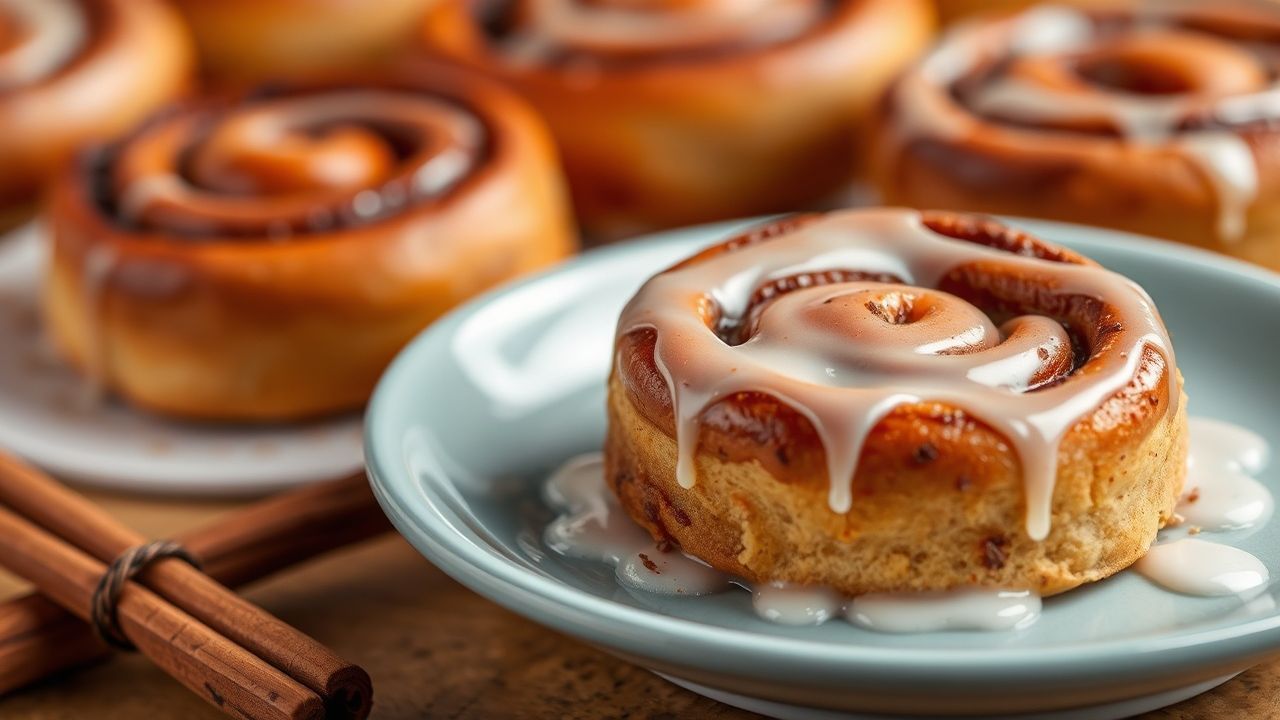

There is a special kind of magic in the warm, gooey embrace of a freshly baked cinnamon roll. A swirl of golden dough, toasted spices, and sticky-sweet glaze delivers comfort in every bite.
- Key: control dough temperature for reliable proofing and texture.
- Even filling distribution prevents dense pockets and creates a uniform spiral.
- Timing the second rise gives the bakery-style lift without collapse.
Sweet Success: The Art of Creating Irresistibly Fluffy Cinnamon Rolls
Sweet Success begins by balancing enriched dough structure with an optimally caramelized filling. Achieve that by using correct ingredient ratios, proofing times, and gentle handling.
The finished roll should be soft yet retain its spiral. Texture depends primarily on yeast activity and gluten development.
Why the science matters
Yeast ferments sugars to produce CO2, which expands gluten networks and creates an open crumb. Read about the microorganism at yeast for background on fermentation behavior.
Meanwhile, the sugar-butter matrix in the filling partially melts and caramelizes during baking, producing a gooey center. For context on the finished product, see cinnamon roll history and variations.
At a Glance: Prep, Yield, Difficulty
Times and output
Preparation: 25 minutes active work. Proofing and resting account for most time, which is normal for enriched doughs.
Total Time: About 2 hours including rises. Makes 12 generous rolls, suitable for a 9×13-inch pan.
Difficulty
Classified as medium: you should be comfortable with basic kneading and timing. The payoff is bakery-quality texture with consistent practice.
Ingredients & Yield
Use whole milk warmed to about 110°F, active dry yeast, eggs, butter, sugar, and all-purpose flour for a classic enriched dough. Salt strengthens the gluten and balances sweetness.
For the filling, combine packed brown sugar, ground cinnamon, and softened butter. For the glaze, a cream cheese-based icing adds tang and sheen; learn more about cream cheese at cream cheese.
- For the Dough:
- 1 cup whole milk, warm (110°F)
- 2 1/4 tsp active dry yeast (1 packet)
- 1/2 cup granulated sugar
- 2 large eggs, room temperature
- 1/3 cup unsalted butter, melted
- 4 cups all-purpose flour, sifted
- 1 tsp salt
- For the Filling:
- 1 cup packed brown sugar
- 3 tbsp ground cinnamon
- 1/3 cup unsalted butter, softened
- For the Glaze:
- 1 cup powdered sugar
- 2 tbsp cream cheese, softened
- 2 tbsp unsalted butter, melted
- 2 tsp vanilla extract
- 2-3 tbsp milk as needed
Step-by-Step Instructions
Start by activating the yeast in warm milk with a teaspoon of sugar. Allow 5-10 minutes until frothy; this verifies the yeast is active.
Next, mix the eggs, melted butter, remaining sugar, and salt. Combine the yeast-milk mixture, then add flour gradually until a shaggy dough forms.
Knead and First Rise
Turn dough onto a lightly floured surface and knead 8-10 minutes until smooth and elastic. Proper kneading develops gluten, creating structure that holds gas without tearing.
Place dough in a greased bowl, cover, and let it double in a warm spot (about 75-80°F) for roughly one hour. Consistent temperature gives predictable rise; read more on baking fundamentals.
Roll, Fill, and Shape
Deflate the dough gently and roll it into a 16×12-inch rectangle. Spread softened butter evenly, then sprinkle the cinnamon-sugar filling uniformly to avoid pockets.
Roll from the long edge into a tight log, seal the seam, and cut into 12 equal slices. Use a sharp knife or unflavored dental floss for clean cuts that preserve the spiral.
Second Rise and Bake
Arrange the rolls in a greased 9×13-inch pan with slight spacing and let them proof for 30-40 minutes until puffy. This second rise determines the final lift and crumb.
Preheat the oven to 350°F (175°C) and bake 20-25 minutes until golden-brown and springy. Rotate the pan halfway if your oven has hot spots.
Tips for Success
Even distribution of filling prevents dense centers and ensures each bite has balanced flavor. Work methodically when spreading butter and sugar.
Maintain dough temperature between 75-80°F for best yeast activity. Avoid hot surfaces that can kill yeast or cold drafts that slow fermentation dramatically.
If your kitchen is cool, create a proofing box by turning on the oven light and placing the covered dough inside. The gentle warmth accelerates fermentation without overheating the dough.
For extra softness, place a shallow pan of water on the oven floor while baking. The added humidity limits crust hardening and promotes a tender crumb.
Serving, Storage, and Make-Ahead
Serve warm with cream cheese glaze drizzled while rolls are still slightly hot. The heat melts the icing into the swirls for that classic, glossy finish.
Store at room temperature in an airtight container for up to two days. For longer storage, freeze unbaked, unglazed rolls for up to two months and bake from partially thawed.
Make-ahead method
After the second rise, wrap the pan tightly and refrigerate overnight. Bake fresh in the morning for bakery-fresh aroma without morning prep time.
Alternatively, prepare individual rolls and freeze. Thaw slowly before the final rise to maintain texture and proofing integrity.
Serving Suggestions and Variations
Pair warm rolls with freshly brewed coffee or spiced chai for a classic combination. Add toasted nuts for crunch or a scoop of vanilla ice cream for dessert-level indulgence.
Swap or blend spices—nutmeg or cardamom adds complexity. Try Ceylon cinnamon for a delicate flavor or cassia for a stronger punch; learn more about the spice at cinnamon.
For savory-sweet experiments, fold in chopped apples or raisins with the brown sugar. These additions affect moisture, so adjust bake time minimally to preserve center texture.
Nutrition
The table below provides per-roll estimates to guide portioning and menu planning. Values depend on filling quantity and glaze amount.
| Nutrient | Per Roll |
|---|---|
| Calories | 320 kcal |
| Protein | 5 g |
| Carbohydrates | 45 g |
Related Guides
For deeper work on fermentation and dough handling, consult our internal resource at Ultimate Guide to Yeast Baking. That guide covers temperature control and troubleshooting in depth.
Explore creative spins in our collection of recipes at Cinnamon Roll Variations. These variations show how minor ingredient tweaks change texture and flavor.
FAQ
How do I fix dense cinnamon rolls?
Dense rolls usually indicate underproofing or too-tight rolling. Allow a full second rise and avoid rolling the log excessively tight to preserve gas pockets.
Can I use instant yeast instead of active dry?
Yes. Reduce proofing time slightly and mix instant yeast directly with dry ingredients. Adjust liquid temperature and watch for a quicker rise.
Why is my filling leaking out?
Overfilling or rolling too loosely causes leaks. Use a moderate filling amount and seal the seam firmly. Place rolls with the cut side up to contain filling.
What is the best icing for cinnamon rolls?
Cream cheese frosting provides a tangy counterpoint to the sweet, spiced interior. A simple vanilla glaze works for a lighter finish if you prefer less richness.
Can I prepare rolls the night before?
Yes. After shaping and the second rise, you can refrigerate overnight and bake fresh in the morning. Bring them to room temperature briefly before baking if chilled deeply.
The Way Forward
Follow these techniques and you will achieve consistent, bakery-style cinnamon rolls at home. Focus on temperature, even filling, and measured proofing for repeatable results.
Practice produces intuition: weigh pieces, use a thermometer, and record timings to refine a personal approach. Happy baking and enjoy your sweet success.
See also: cinnamon rolls