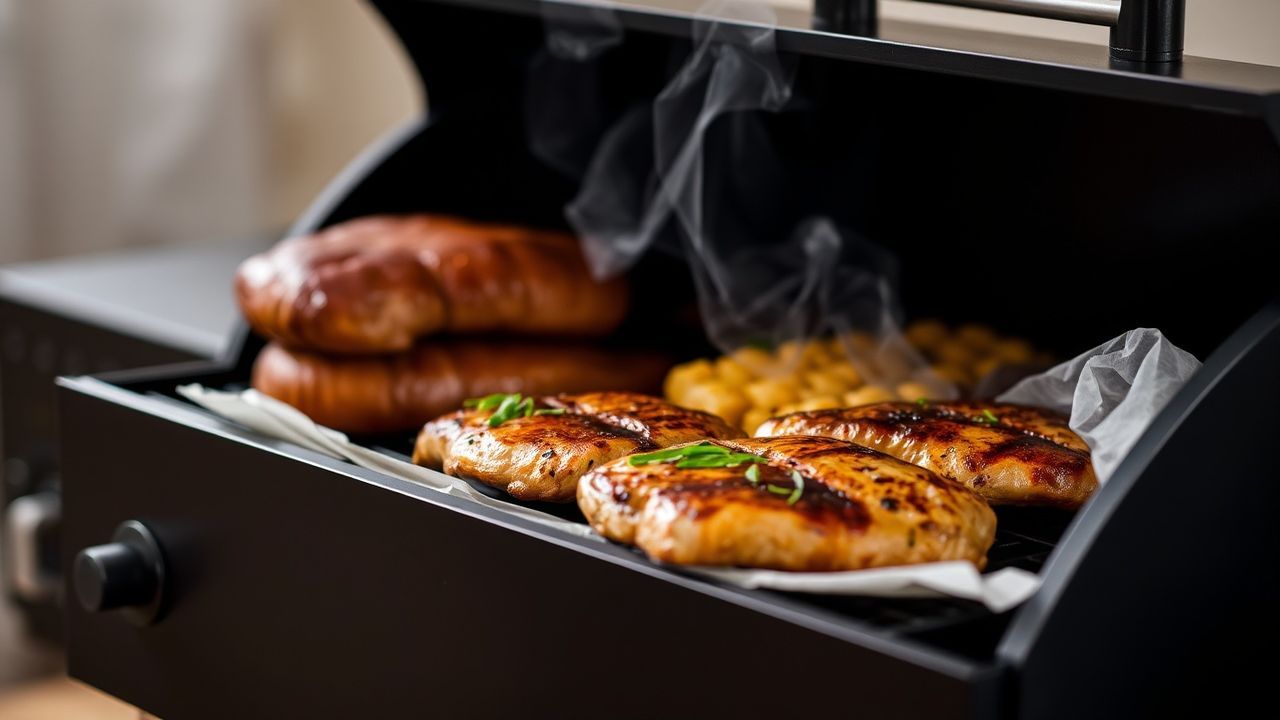

The electric smoker has become the go-to tool for reliable, low-and-slow smoking. Modern units give consistent heat and easy smoke control, helping cooks achieve repeatable results from ribs to brisket.
- Consistent heat reduces guesswork and improves texture.
- Plug-and-play operation makes smoking accessible to beginners.
- Advanced features like digital controllers and Wi‑Fi boost convenience.
Overview: Why Electric Smokers Matter
Electric smokers deliver steady temperatures and predictable smoke, which simplifies long cooks. That predictability shortens the learning curve for precise smoke profiles and food safety.
For a technical primer on slow cooking and smoke chemistry, see barbecue and smoking (cooking) on Wikipedia.
At a Glance: Key Takeaways
Short summary: Electric smokers provide stable heat, simple fuel handling, and consistent smoke for most backyard cooks.
Who benefits most: Weekend cooks, busy hosts, and anyone who prioritizes reliable results with minimal babysitting.
Prep and Cook Time
Preparation: 15 minutes for rub and setup. Prep time stays brief because electric smokers need no charcoal or fire tending.
Cooking: Typical low-and-slow sessions run 3–8 hours. Thicker cuts like brisket can require longer runs depending on target internal temperature and stall management.
Yield and Serving
Yield: A 5 lb pork shoulder generally feeds 6–8 people after trimming and shredding. This follows standard portion planning for pulled pork.
Serving tips: Rest the meat for at least 30 minutes under foil to let juices redistribute before shredding. Serve on toasted buns with bright slaws to balance richness.
Difficulty Level and Skills
Skill level: Medium. You must monitor temperatures and understand smoke timing to dial in flavor and tenderness.
Key skills include maintaining steady smoker temps, choosing wood type, and using a probe thermometer for accurate doneness checks.
Ingredients (Example Pulled Pork)
Meat: 5 lb pork shoulder, trimmed moderately. Fat cap left intact helps self-baste during long cooks.
Seasoning & liquids: Coarse kosher salt, cracked black pepper, smoked paprika, garlic powder, brown sugar, apple cider vinegar, and Worcestershire sauce. Use applewood chips for a mild, sweet smoke.
Equipment Checklist
Essential: Electric smoker with a reliable temperature controller, a probe-style digital thermometer, and a water/drip pan to stabilize humidity during the cook.
Optional upgrades: Wi‑Fi or Bluetooth monitoring, an insulated jacket for cold-weather smoking, and high-quality stainless racks for even heat conduction.
Instructions
1. Make the rub: Combine salt, pepper, smoked paprika, garlic powder, and brown sugar into a uniform blend. Use coarse components to create a textured crust during the smoke.
2. Season the meat: Pat the shoulder dry then apply the rub evenly, pressing it into folds and seams to ensure full coverage.
Smoking Process
3. Preheat smoker: Set the smoker to 225°F (107°C). Allow the unit to stabilize for 10–20 minutes before loading meat so smoke and heat remain consistent.
4. Load wood chips: Use applewood for sweetness or a stronger wood like hickory for more bite. Soaking chips is optional with electric smokers; dry chips often produce quicker smoke.
Cook Management
5. Monitor internal temperature: Insert a probe into the thickest part of the shoulder. Pull when the probe reads ~195°F (90°C) for tender, pull-apart meat.
6. Mop and rest: Baste with a vinegar-based mop every hour if you want tang and moisture. After reaching target temp, wrap in foil and rest 30–45 minutes before shredding.
Tips for Success
Maintain a steady temperature and avoid frequent door openings; every peek drops heat and slows smoke absorption. Use a digital probe thermometer to remove guesswork.
Try different woods and track results. Keep cooking notes: wood type, rack placement, and time at each temperature will speed skill gains over a few cooks.
When experimenting, change one variable at a time—wood species, cook temp, or injection—so you can identify the cause of good or bad outcomes.
Smoke Types and Flavor Profiles
Applewood gives sweet, fruit-forward notes that pair well with pork and poultry. For beef, mesquite or hickory supply bolder, earthier tones with more assertive smoke.
Use small, controlled amounts of strong woods; overuse can overwhelm the meat. Adjust chip amounts and smoke time to match the cut and desired intensity.
Maintenance and Safety
Clean the drip pan, ash from the chip box, and interior racks after each major cook. Regular cleaning prevents flare-ups and maintains consistent smoke flow.
Periodically inspect the heating element and wiring for wear. Store the unit covered in a dry place to limit corrosion of critical components.
Serving Suggestions
Serve pulled pork on toasted brioche buns with crunchy slaw and a tangy vinegar-based sauce. Bright side dishes like grilled corn or a citrusy salad cut through the richness.
Garnish with fresh herbs and a squeeze of lemon to add aromatic lift and acidity that brightens the smoky flavors.
Nutritional Information
Per serving (approx.): 350 kcal, 40 g protein, 5 g carbs, 15 g fat—numbers vary with trimming and sauce added.
To reduce calories, trim fat more aggressively and use lighter sauces or mop with vinegar blends rather than sugar-heavy glazes.
| Nutritional Information (per serving) | Calories | Protein | Carbs | Fat |
|---|---|---|---|---|
| Pulled Pork BBQ | 350 kcal | 40 g | 5 g | 15 g |
Recommended Models and Features (How to Choose)
Prioritize reliable digital temperature control, sturdy stainless construction, and a good smoke generator. Size matters: choose capacity that fits your regular cook volume, not just your biggest party cook.
Connectivity features like Wi‑Fi save steps but never replace a good probe thermometer. Consider an insulated jacket if you smoke in cold climates to lower power draw and stabilize temps.
Q&A
Concise answers to common buyer and user questions.
Each answer provides actionable guidance so you can apply it to your next cook without guesswork.
Q1: Why pick an electric smoker?
Electric smokers offer steady heat and minimal fuel management. That stability translates to predictability across long cooks.
They work well for cooks who prioritize hands-off operation and consistent results, especially with delicate proteins like fish and poultry.
Q2: Which features matter most in 2024 models?
Look for precise PID-style controllers, durable stainless interiors, tight door seals, and a reliable smoke tray. Racks should adjust to fit larger cuts.
Wi‑Fi monitoring and multi-probe support add convenience. Still, a quality heating element and solid construction matter more than gadgetry for long-term performance.
Q3: Can electric smokers match traditional smoke flavor?
Yes. With proper wood selection and controlled smoke time, electric smokers produce deep, nuanced flavors. The result differs from open-wood smoke but remains rich and layered.
Balance smoke intensity by varying chip amounts and staging smoke early in the cook for surface flavor without overbittering the meat.
Q4: How do I monitor doneness reliably?
Use a digital probe thermometer placed in the thickest muscle. For pulled pork, target ~195°F (90°C); for ribs and poultry, follow established target temps for tenderness and safety.
For more on temperature tools and calibration, see thermometer guidance.
Q5: What woods pair best with which proteins?
Apple and cherry work well with pork and poultry for a sweet, mild touch. For beef, lean to stronger woods such as hickory or oak to stand up to the meat’s richness.
Mesquite suits quick, bold flavors but can overpower if used for long periods. Use strong woods sparingly on long cooks.
Future Outlook
Manufacturers keep refining controllers, insulation, and smoke delivery systems. Expect smarter apps and improved heat management that reduce power draw and improve consistency.
As user feedback shapes designs, top models will lean toward modular upgrades: better probes, improved racks, and simpler clean-up solutions to keep cooks focused on flavor.
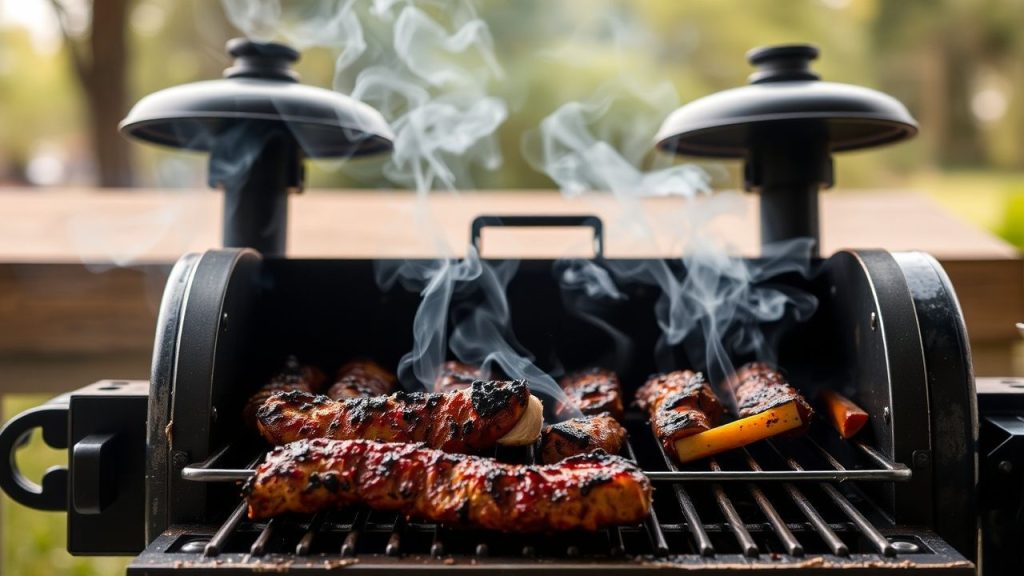
For more detailed technique videos and long-form smoke schedules, consult authoritative guides on barbecue and smoking. See the Wikipedia overview on barbecue for historical context and technique evolution.
Embrace testing and keep concise notes. That practice converts good cooks into consistent smokers who can reproduce great results on demand.
See also: electric smoker