
Transform Tomato Skins into Pure Powder: A Step-by-Step Guide
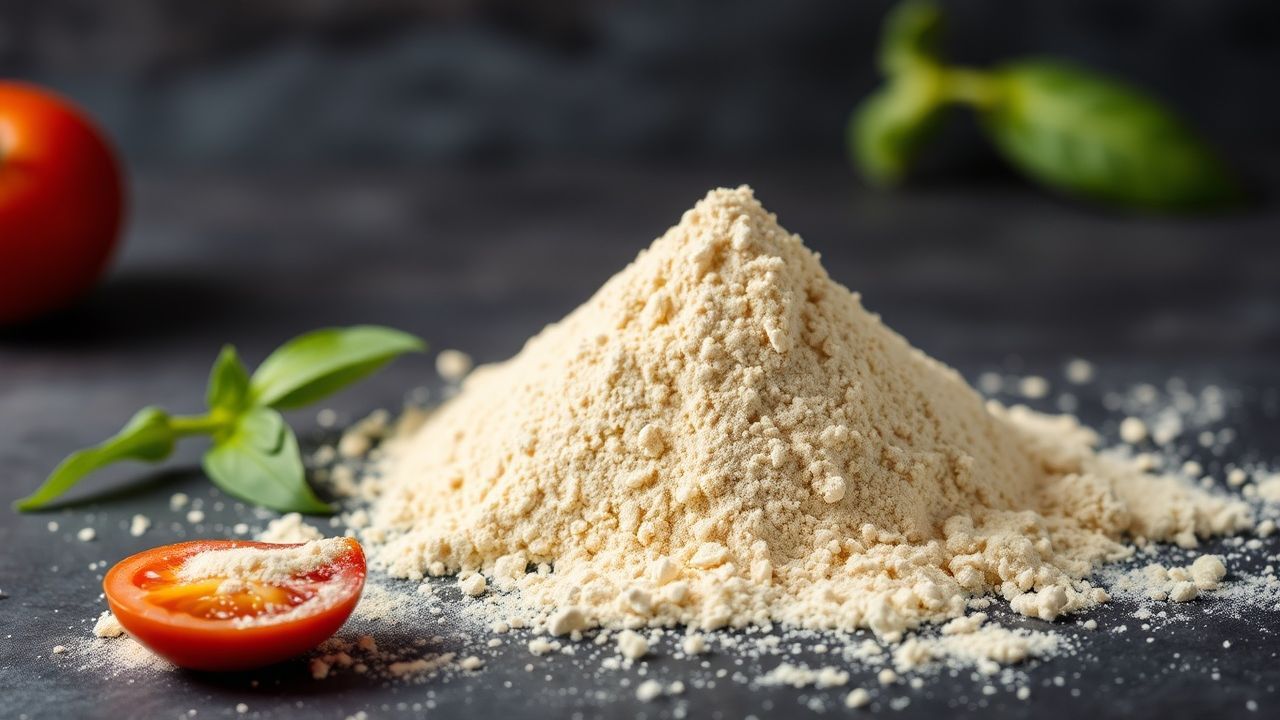
tomato powder starts when you treat discarded skins as a deliberate ingredient. Dehydrate peels at low heat, grind to a uniform particle size, and package them to keep color, umami and functional shelf life.
- Convert kitchen scraps into a concentrated seasoning that boosts sauces and rubs.
- Preserve lycopene and color by drying at controlled, low temperatures.
- Grind and sieve for a silky texture that dissolves in warm liquids.
- Store airtight and opaque to extend freshness for months.
Gathering and Preparing Tomato Skins for Optimal Drying
Choose firm, ripe tomatoes with intact skins; varietal selection affects yield and color. Plum and Roma types shed clean skins and produce less pulp residue, which shortens drying time and reduces sugar-related scorching.
Loosen skins with a quick blanch: score the blossom end, plunge tomatoes in boiling water 15–30 seconds, then shock in ice water. Remove peels with minimal pulp attached to avoid excess moisture and sugars that lengthen drying and darken color.
Rinse lightly only if dirt remains, then blot skins thoroughly with clean towels to remove surface moisture. Lay peels single-layer on parchment or dehydrator trays; overlapping traps moisture and creates uneven drying.
Before you load trays, sort by thickness so thin and thick pieces dry on separate racks. Grouping by similar thickness helps you monitor endpoints efficiently and reduces rework during grinding.
Mastering Dehydration to Preserve Flavor and Nutrients
Dry at a low, steady temperature to protect heat-sensitive carotenoids like lycopene and to keep color bright. A working target is about 125°F (52°C); this temperature range reduces browning while removing moisture effectively.
Drying time typically runs 6–12 hours depending on humidity and peel thickness. Check periodically and flip once; the endpoint is crisp, brittle skins that shatter rather than bend.
Use a calibrated thermometer and a dehydrator that maintains a narrow temperature band for repeatable results. If you only have an oven, use the lowest setting, prop the door slightly, and monitor closely to maintain even airflow.
For background on the tomato plant and compound concentration during drying, see tomato. For technical context on moisture removal and drying science, consult food drying.
Practical temperature and time tips
Keep the heat steady; temperature swings produce sticky spots and uneven color. Use an oven thermometer or a dehydrator with precise control to avoid hotspots.
Test crispness by breaking a piece; it should shatter cleanly. If any bend remains, continue drying in short increments and re-check often to avoid overbaking and flavor loss.
Grinding Techniques for a Uniform, Fine Tomato Powder
Work only with fully brittle skins. Use a dedicated spice grinder, a reserved coffee grinder, or a high-speed blender designated for dry milling to avoid flavor transfer. Short pulses prevent heat buildup that could dim color and flavor.
Sift ground material through a fine mesh and return coarse flakes for another pass until you reach a consistent powder. Uniform particle size improves solubility and prevents gritty pockets in sauces and doughs.
For equipment differences and best practices, reference a reliable tool guide such as the spice grinder entry. Choosing the right mill reduces rework and extends motor life.
Grind in small batches to keep the grinder cool and dry. If static causes cling, tap and re-sift; for high-volume runs, rest the motor between batches to prevent overheating.
Avoiding common grinding problems
Keep the grinder clean, dry, and reserved for dry ingredients only. Any residual moisture causes clumping and shortens shelf life.
If you encounter oil or sticky residues, discard contaminated powder and clean equipment before continuing. For industrial or large-batch setups, use a mill with cooling or timed cycles to maintain product quality.
Storage Practices That Maximize Shelf Life
Store tomato powder in airtight, opaque containers to minimize oxygen and light exposure. Both oxygen and light accelerate pigment fade and flavor loss in dried ingredients.
Add food-grade silica desiccant packs and label jars with production dates. Properly dried and packaged powder stays flavorful for several months at room temperature and considerably longer under refrigeration or freezing.
For general dry-food storage principles and moisture control techniques, see food storage. Those practices reduce spoilage and maintain powder quality.
When scaling, portion into small jars or vacuum-sealed packets to reduce headspace and repetitive air exposure. For long-term retention of peak flavor, freeze single-use portions and thaw only as needed.
Packaging and portioning tips
Use small portion jars or vacuum-seal single-use packets to minimize headspace and repeated air exposure. That limits oxidation and maintains color intensity.
Avoid adding oils or fresh ingredients to the dry powder; they introduce moisture and shorten shelf life. If clumping occurs, split into single-use portions and add a desiccant to each container.
Prep and Cook Time
Preparation: 20 minutes active time for blanching and peeling. Organize tasks so skins move quickly to drying to reduce microbial risk.
Drying: 6–12 hours depending on humidity, temperature control and skin thickness. Plan for overnight runs or sustained low-heat sessions during daytime.
Grinding: 5–15 minutes per batch, including sifting and regrind cycles. Smaller grinders often mill more finely in less time.
Yield and Scaling
Expect roughly 1/4 cup of tomato powder from 2 lb of fresh tomatoes; yield varies with variety and how cleanly skins separate. Denser varieties generally yield slightly more powder by weight.
Scale by increasing tray area or running multiple dehydrator cycles. For production runs, portion-dry on multiple racks to maintain even airflow and consistent final moisture across pieces.
Difficulty Level and Equipment
Skill level: medium. The method requires attention to drying endpoints and careful grinding, but it requires no formal culinary certification. The most technical element is temperature control.
Essential equipment: blanching pot, dehydrator or low-temperature oven, a dedicated dry grinder, and airtight storage jars. Even modest home setups produce excellent tomato powder when you follow time and temperature controls.
Ingredients
- 2 lb ripe tomatoes (plum/Roma or vine-ripened recommended)
- Cold water for blanching and ice bath
- Parchment paper or dehydrator trays
- Airtight containers and desiccant packs for storage
Instructions
- Blanch: Score tomatoes, boil 15–30 seconds until skins loosen, then shock in ice water.
- Peel: Remove skins with fingers or a paring knife, minimizing pulp transfer to reduce drying time.
- Dry: Arrange skins single layer and dehydrate at ~125°F (52°C) until brittle, 6–12 hours.
- Grind: Cool fully, then pulse in a dry grinder. Sift and regrind coarse pieces.
- Store: Place in airtight, opaque jars with desiccant and label with date.
Chef’s Notes
Lightly toasting dried skins briefly before final grinding adds a smoky depth useful in rubs. Toast in a low oven then cool fully before pulsing to powder to avoid residual moisture activation.
Add a small amount of neutral absorbent like rice flour only if clumping persists. Overuse changes flavor and color, so prefer processing and desiccants over bulk extenders.
For seasoning blends, combine tomato powder with dried basil, garlic powder, or smoked paprika for ready-to-use mixes. Adjust ratios starting at 1/2 to 1 teaspoon per cup of liquid when rehydrating.
Serving Suggestions
Sprinkle tomato powder into sauces to intensify tomato character without additional liquid. It works well in dry rubs, folded into bread dough for color, or whisked into dressings for concentrated tomato notes.
The powder dissolves cleanly in warm liquids, so use it in broths and instant sauces. Start with 1/2 to 1 teaspoon per cup and adjust to taste for balanced color and umami.
Nutritional Snapshot
The powder concentrates micronutrients found in skins, notably carotenoids like lycopene and small amounts of fiber. A small serving adds color and antioxidant compounds with minimal calories.
| Nutrient | Per 1 tsp (3 g) |
|---|---|
| Calories | 10 |
| Protein | 0.3 g |
| Carbohydrates | 2 g |
| Fat | 0 g |
Insights and Practical Takeaways
Turning discarded skins into tomato powder extends produce utility and reduces waste while delivering a concentrated, versatile ingredient. Proper drying, grinding, and packaging ensure consistent performance in the kitchen.
Follow measured dehydration temperatures, grind to a uniform particle size, and use airtight packaging to retain color and flavor. These steps convert simple peels into a repeatable pantry product with predictable behavior in recipes.
To refine technique, read practical guides on equipment selection and dehydration workflow on our site: see dehydrator basics and spice grinder reviews for tool recommendations and workflow tips.
FAQ
Q1: How long does homemade tomato powder last?
Properly dried and stored tomato powder remains flavorful for several months at room temperature and up to a year when frozen in airtight portions. Shield powder from light and moisture to maximize shelf life.
Q2: Will tomato powder contain lycopene?
Yes. Skin concentrates lycopene during drying, so tomato powder delivers this carotenoid. High heat degrades some carotenoids, which is why low-temperature drying preserves potency.
Q3: Can I use any tomato variety?
Any ripe tomato will work, but plum and vine-ripened varieties commonly produce cleaner skins and stronger color. Avoid overripe or damaged fruit to reduce off-flavors and contamination risk.
Q4: Can I dehydrate skins in an oven?
Yes. Use the oven’s lowest temperature and prop the door slightly to maintain gentle airflow. A dehydrator offers better temperature control, but an oven can work with careful monitoring.
Q5: What culinary uses suit tomato powder best?
Use it in sauces, rubs, dressings, bread, and broths where a concentrated tomato note is desirable. Start with small amounts, then scale to taste for balanced flavor and color enhancements.
See also: tomato powder