
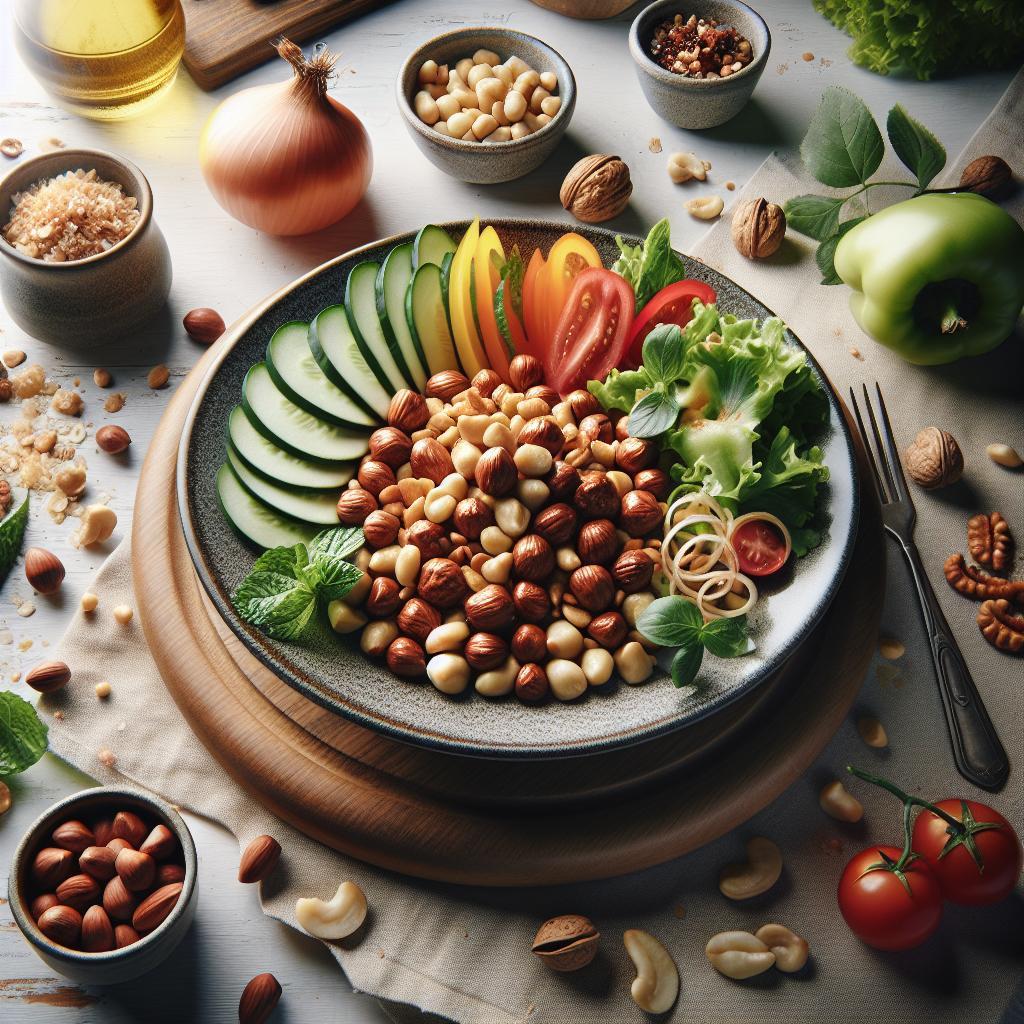

Unlocking Freshness: How Long Shelled Nutmeat Lasts
Shelled nutmeat delivers concentrated oil, flavor, and nutrition once removed from its protective shell. Proper handling slows oxidation and keeps texture and taste stable for weeks to months.
- Key takeaway: Proper storage extends nutmeat life from weeks to up to 12 months.
- Risk factors: Oxygen, heat, moisture, and light drive spoilage.
- Quick wins: Airtight packaging, refrigeration, and portioning cut waste.
- Check often: Smell and small taste checks reveal early rancidity.
Understanding Shelled Nutmeat and Shelf Life
Shelled nutmeat is the edible kernel from tree nuts after shells are removed. These kernels contain unsaturated oils that oxidize when exposed to air, producing off-flavors and lowering nutritional quality.
Most nuts follow similar spoilage patterns, but fat content changes the timeline: high-oil nuts spoil faster than lower-fat varieties. For a technical overview of nut biology and classification, see nuts on Wikipedia.
Key Factors That Drive Spoilage
Oxygen is the primary driver of rancidity through lipid oxidation, a chemical process that alters taste and safety. Oxidation speed rises with temperature and light exposure, so controlling those variables directly slows spoilage.
For the chemistry behind this process, consult lipid oxidation on Wikipedia.
Oxygen and Lipid Breakdown
Air contact exposes nut oils to reactive oxygen species; those molecules attack double bonds in fatty acids. Over time this yields peroxides and secondary compounds that smell sharp, bitter, or soapy.
Therefore, reducing headspace, using vacuum or inert-gas packaging, and choosing oxygen absorbers materially lengthen shelf life.
Moisture, Mold, and Microbes
Moisture invites mold and bacterial growth when humidity is high or nuts are stored damp. Even a single wet kernel can contaminate a whole batch, so drying before storage matters.
Simple humidity control and sealed containers prevent moisture ingress; for broader context on preservation practices, see food preservation.
Storage Strategies: Pantry, Fridge, Freezer
Storage choice sets realistic expiry expectations: pantry for short-term, refrigerator for months, freezer for long-term. Each option trades convenience, space, and texture outcomes.
Use a clean, airtight container for every environment and label containers with dates to avoid guesswork.
Pantry (Short-term)
Store sealed nutmeat in a cool, dark pantry for 1–3 months depending on type and ambient temperature. Keep packages away from ovens, windows, and direct sunlight.
Hardier nuts like almonds and pistachios last longer at room temperature than oil-rich walnuts and pecans.
Refrigerator (Medium-term)
Refrigeration slows oxidative reactions and is a practical home option for up to six months of quality retention. Use airtight jars or resealable bags and avoid strong-smelling foods in the same compartment.
Place smaller containers in the coldest part of the fridge, not the door, to maintain constant temperatures.
Freezer (Long-term)
Freezing preserves nutmeat for 12 months or longer with minimal quality loss when sealed properly. Wrap portions in vacuum-sealed bags or double-bag with an inner airtight layer to prevent freezer burn.
Thaw in the refrigerator or at room temperature briefly; avoid repeated freeze-thaw cycles that degrade texture and flavor.
Packaging, Portioning, and Practical Steps
Packaging and portion control are low-effort steps with large payoff: smaller portions reduce repeat exposure and make daily use simple. Keep portion sizes aligned to recipe needs to minimize wasted thawed nuts.
Use opaque containers to limit light-driven oxidation and tight seals or vacuum systems to reduce oxygen contact.
Choosing the Right Container
Glass jars with tight lids, high-barrier resealable bags, and vacuum units work best. Avoid thin plastic that lets oxygen migrate over weeks.
For commercial-scale storage, food-grade mylar and oxygen absorbers add measurable shelf-life. For DIY, remove headspace and press seals manually.
Oxygen Absorbers and Desiccants
Oxygen absorbers reduce residual oxygen in sealed packages and are compatible with dry nutmeat. Desiccant packs help in very humid climates but do not replace airtight sealing.
Always use food-grade products and follow manufacturer guidance on dosing relative to container volume.
Small operational habits multiply: label date, rotate stock FIFO (first in, first out), and keep high-use tubs near the stove while long-term stock stays frozen. These steps minimize spoilage and encourage consumption.
Signs of Spoilage and Safe Disposal
Rancidity shows as a sharp, bitter, metallic, or soapy odor and taste; visual mold or sliminess indicates microbial spoilage. Sensory checks are the fastest way to assess safety before cooking or eating.
For a technical explanation of rancidity pathways, consult rancidification on Wikipedia.
How to Check Quickly
Smell the nut first. If it smells stale or chemical, discard; a single nut that tastes clearly off predicts spoilage in the batch.
Always err on the side of safety: throw away suspicious batches rather than risk ingesting degraded oils or mold toxins.
Chef’s Notes: Using and Reviving Nutmeat
Toasting brings back crunch and enhances aroma, helping use slightly stale nuts in cooked applications. Toasting does not reverse oxidation chemically, so flavor gains are cosmetic and functional, not restorative.
For practical toasting techniques and flavor profiles, see the related internal guide on Best Ways to Toast Nuts for Maximum Flavor.
Serving Suggestions and Recipe Uses
Fresh nutmeat shines in salads, baked goods, sauces, and granolas. Use toasted pieces for texture contrasts and almond or cashew butters for creamy applications.
Keep a small jar of well-stored toasted nuts accessible for daily use and rotate frozen reserves as needed to keep the pantry lively.
At-Home Lab: Simple Tests and Record-Keeping
Keep a small log noting purchase date, storage method, and tasting checks. This builds an empirical picture of how your pantry conditions affect shelf life over seasons.
Conduct a weekly sniff-and-taste of opened containers during the first month to spot early issues before the entire batch degrades.
FAQ
How long does shelled nutmeat last at room temperature?
Most shelled nuts stay good for 1–3 months in a cool, dark pantry. High-fat nuts tend to sit closer to the lower end of that range.
Will refrigeration preserve flavor better than freezing?
Refrigeration slows rancidity significantly and is convenient for medium-term use up to six months. Freezing preserves best for a year and keeps texture closer to fresh for longer.
Can I use stale nutmeat in cooking?
Lightly stale nuts can be toasted and used in cooked applications where intense heat or sauce can mask minor off-notes. Do not use nuts that taste rancid or show mold.
Do different nut types need different care?
Yes. Walnuts and pecans are oil-rich and spoil faster; almonds and macadamias are more stable. Adjust storage timelines accordingly.
How should I thaw frozen nutmeat safely?
Thaw in the refrigerator or at room temperature for a short time; avoid microwaving unless you plan to toast immediately. Keep thawed portions in sealed containers and use promptly.
For more practical techniques on freezing and portioning, consult our internal guides on Nut Storage Guide and How to Freeze Nuts.
Treat nutmeat like a high-value ingredient: minimize exposure, control temperature and humidity, and rotate stock. With consistent habits, you can extend freshness, reduce waste, and keep flavors vibrant for months.
See also: nutmeat shelf-life