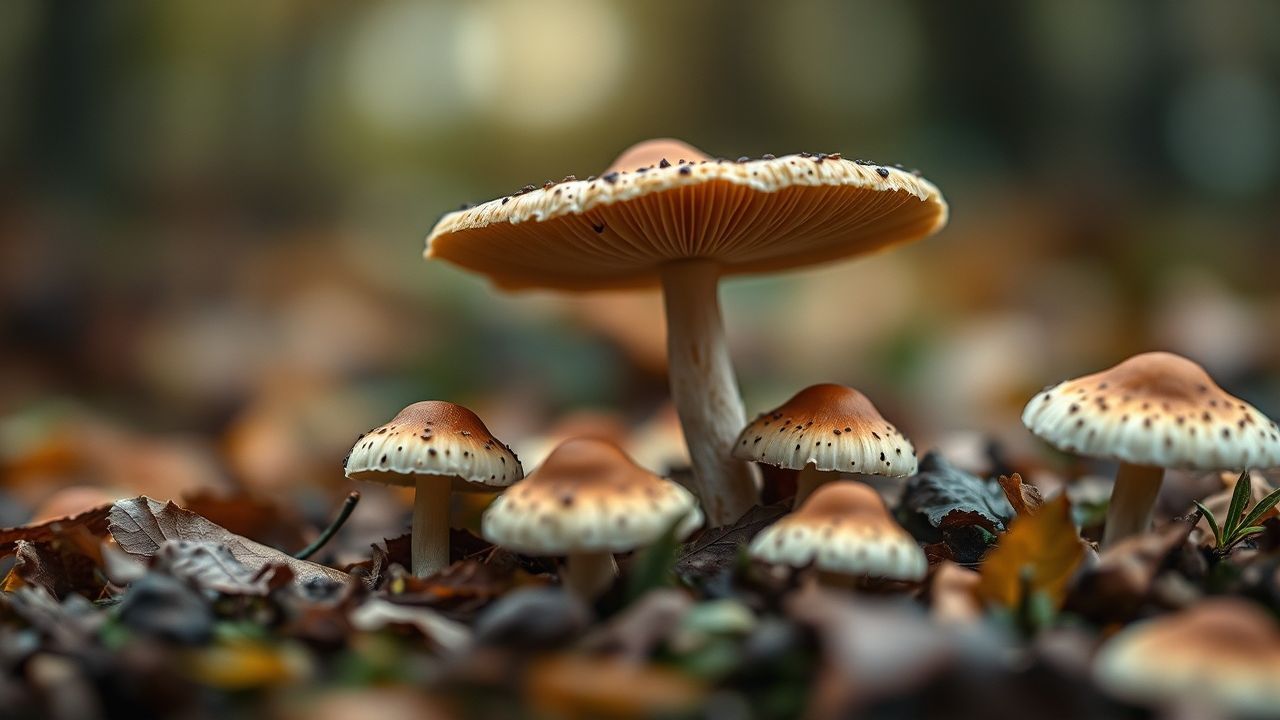

Every autumn many foragers and cooks enter woods expecting fungal abundance. This season, people returned with empty baskets and one pressing question: where did the mushrooms go?
- Visible fruiting reflects precise moisture and temperature cues.
- Seven interacting drivers commonly explain a sudden drop in mushrooms.
- Simple stewardship and monitoring speed local recovery.
- Cultivated varieties and technique tweaks keep kitchens productive.
Where Have the Mushrooms Gone?
Visible mushrooms are the reproductive structures of fungi; they appear only when underground networks, or mycelia, receive the right signals. The mycelial web often persists even when fruiting pauses, so absence aboveground does not always mean collapse belowground.
The biology that governs fruiting links soil moisture, temperature cycles, host-plant carbon supply, and microbial competition. For a focused overview of the fungal body and terminology see mycelium.
Seven Likely Causes
Seasonal scarcity usually stems from multiple, overlapping drivers. I list seven common mechanisms and explain how each reduces visible fruiting and what that implies for recovery.
Understanding these drivers helps foragers, land managers, and researchers separate short-term weather effects from persistent ecological change.
1. Weather Variability and Drought
Sustained moisture triggers many fungi to produce sporocarps. When rains fall briefly and soils dry quickly, mycelia often delay or skip fruiting since the energy cost of producing caps outweighs likely reproductive benefit.
Climate variability increases the frequency of those false-start events. See the broader context of shifting precipitation and its ecological effects at climate change.
2. Temperature Fluctuations
Many species require a narrow temperature range to activate reproductive enzymes. Rapid swings between warm days and cool nights can desynchronize metabolic cues and fragment the short window for coordinated flushes.
Sustained warming can also shift the fruiting calendar, compressing abundance into unpredictable pulses and making annual timing unreliable for harvest planning.
3. Soil Disturbance and Compaction
Heavy foot traffic, trail erosion, and machinery compact soil and crush delicate mycelial mats. Compaction reduces pore space for oxygen and impedes water infiltration that fungi need to sustain growth and form fruit bodies.
Changes in leaf-litter inputs and surface structure also alter microhabitats. For a general background on the physical medium that supports fungi, consult soil.
4. Loss of Symbiotic Partners
Many wild mushrooms form mycorrhizal relationships with trees and shrubs and depend on a steady carbon flow from those plants. When host trees suffer drought, pests, or logging, the fungal partners receive less energy and often reduce fruiting.
For focused information on these plant–fungus partnerships see mycorrhiza, which explains how host stress translates quickly into reduced sporocarp production.
5. Pollution and Soil Chemistry Shifts
Altered nitrogen deposition, acid inputs, and heavy metals shift soil chemistry and microbial balance. Those changes favor tolerant microbes and disadvantage sensitive fungal species that produce sought-after fruiting bodies.
Over time these chemical shifts reduce fungal richness and change which species appear in a given stand, sometimes making common edibles rare or locally absent.
6. Overharvesting and Unsustainable Foraging
Careless picking — cutting stipes improperly, removing all mature caps in small patches, or repeatedly trampling the same spots — can reduce local spore release and damage the surface mycelium. While most fungal networks regenerate, intense repeated pressure lowers short-term fruiting.
Foraging etiquette and regulated harvest help preserve local abundance. For practical guidance on safe, ethical collection techniques see general principles at foraging.
7. Pathogens and Competitive Microbes
Introduced fungi, mycoparasites, and shifts in bacterial communities can suppress native fruiting. When a new pathogen or aggressive competitor colonizes soil, it may reduce visible mushrooms even when total biomass remains similar.
Local monitoring and species-level records help detect such shifts early and inform targeted action when outbreaks occur.
Ecological Consequences of a Quiet Season
Mushrooms contribute to decomposition, nutrient cycling, and plant nutrition through mycorrhizal exchanges. A marked decline in fruiting often signals stress in detrital pathways or in the plant–fungus carbon economy.
When decomposition slows, leaf litter and woody debris accumulate and nutrient turnover declines. That change affects invertebrates and small mammals that rely on sporocarps and the microhabitats they create.
What Foragers and Land Stewards Can Do
Targeted stewardship reduces local pressure and supports recovery. Simple actions include redesigning trails to avoid hotspots, installing boardwalks in fragile sites, and restoring native understory diversity to stabilize nutrient inputs.
Reduce chemical inputs and limit heavy machinery in sensitive stands. When possible, stagger harvests and rotate areas to let local populations replenish spores and mycelial resources.
Share observations with local mycology groups and land managers. These data support adaptive management and help distinguish normal variability from structural declines.
Cooking When Wild Mushrooms Are Rare
Cultivated species offer consistent texture and safety when wild fruiting falls short. Cremini, shiitake, and oyster adapt well to recipes designed for wild mixes and will keep kitchens productive.
Adjust cooking times because cultivated caps often contain more water and brown differently. Sauté at medium-high in small batches to concentrate flavor and avoid steaming.
Prep and Cook Time
Preparation: 20 minutes. The recipe adapts to available mushroom types and scales for family meals.
Cook Time: 25 minutes. Proper sautéing concentrates flavor whether using wild foraged or cultivated mushrooms.
Yield
4 hearty servings. The finished dish works as a main over toasted bread or as a rich side for protein-based entrees.
Use a heavy skillet and avoid overcrowding so each piece browns instead of steaming; that step gives the best texture and depth of flavor.
Difficulty Level
Medium. The recipe requires attention to moisture control and pan temperature to achieve even caramelization.
Small adjustments—shorter initial sauté for moist cultivated caps, slightly higher heat for denser wild types—deliver consistent results.
Ingredients
- 300g mixed mushrooms (wild if available; otherwise cultivated varieties)
- 3 tbsp olive oil or unsalted butter
- 1 medium shallot, finely chopped
- 2 cloves garlic, minced
- 1/4 cup dry white wine (optional)
- 1 tbsp fresh thyme, chopped
- 1/2 cup heavy cream
- Salt and freshly ground black pepper, to taste
- 1 tsp lemon zest for brightness
- Fresh parsley, chopped for garnish
- 4 slices rustic country bread, toasted (optional)
Instructions
- Heat the oil or butter in a large skillet over medium heat. Add shallots and garlic, sauté until translucent and aromatic—about 3 minutes.
- Add the mushrooms and stir gently. Sauté until golden and tender, about 7–8 minutes, stirring occasionally to avoid steaming.
- Deglaze with wine and reduce to concentrate flavor—about 3 minutes. Substitute stock if avoiding alcohol.
- Season with thyme, salt, and pepper and combine so aromatics infuse the mushrooms.
- Lower heat and add cream to finish the sauce; let it thicken slightly to coat each piece.
- Finish with lemon zest for lift. Taste and adjust seasoning before removing from heat.
- Rest briefly and serve warm over toasted bread, garnished with parsley. Reheat gently with a splash of stock or cream if storing leftovers.
Chef’s Notes & Tips for Success
When foraging, leave plenty of mature mushrooms to release spores and avoid disturbing nearby litter. That restraint supports future fruiting and the integrity of the mycelial network beneath the surface.
Use cultivated mushrooms as substitutes when wild varieties are scarce to reduce pressure on fragile patches and maintain culinary variety.
Serving Suggestions
Serve the creamy sauté over toasted country bread or alongside roasted chicken. Garnish with parsley and a light drizzle of olive oil for gloss and balance.
Pair with a crisp white or a light-bodied red to complement the dish’s earthy tones and to lift the palate.
Monitoring and Citizen Science
Simple site-based records—date, species, abundance, and microhabitat notes—help researchers spot shifts in phenology and composition. Standardized observations from many volunteers build regional datasets quickly.
Join local mycology clubs or community science platforms to report sightings. Collective data separate single-season anecdotes from persistent declines and inform management action.
In Retrospect
A quiet fruiting season often reflects a snapshot of interacting pressures, not immediate ecosystem failure. Still, reduced visible abundance highlights where stewardship, monitoring, and adaptive management can improve resilience.
Record, report, and protect high-value sites; mycelial systems often endure beneath the surface and can recover quickly once conditions stabilize.
FAQ
Q1: Why did my usual foraging spot have no mushrooms this year?
Short droughts and temperature swings commonly delay or suppress fruiting. Soil compaction and host-tree stress often compound that effect.
Log observations and avoid heavy disturbance to support recovery in subsequent seasons.
Q2: Can mushrooms return quickly after one poor season?
Yes. Many fungi respond rapidly to sustained rain and favorable temperatures and can produce sudden pulses of sporocarps. Recovery speed depends on disturbance history and host health.
Repeated poor years lower resilience, so conservation of habitat improves the odds of a strong comeback.
Q3: Is consuming store-bought mushrooms a reliable substitute?
Absolutely. Cultivated species offer consistent texture and lower risk. Adjust cooking to account for higher moisture in cultivated caps.
Using cultivated mushrooms maintains culinary options while reducing stress on wild populations.
Q4: How can I report unusual mushroom declines?
Contact local mycology societies or conservation agencies and submit observations through community science portals. Provide photos, dates, and habitat notes for clarity.
Systematic reporting helps researchers separate short-term weather effects from long-term ecological change.
Q5: Where can I learn more about fungi and foraging ethics?
Read authoritative overviews and take local courses or guided walks. Practical experience under expert supervision builds safe identification skills and ethical harvest habits.
Combine reading with local resources and community groups to develop reliable, responsible foraging practice.
See also: consult national or regional mycology groups and the referenced Wikipedia entries for foundational background.
See also: mushrooms