
herb drying at home is simple, affordable, and satisfying, but mold can destroy a batch quickly if you miss a few key steps. By controlling harvest moisture, airflow, and bundle size you cut mold risk and save usable herbs.
- Dry fast, dry evenly: small bundles and steady airflow prevent mold during herb drying.
- Monitor humidity: keep the room under 60% relative humidity for reliable herb drying.
- Inspect daily: early spotting of soft leaves lets you rescue most of the harvest.
- Use alternatives: use a dehydrator or low-heat oven when air drying fails.
Why herbs mold while herb drying
Mold starts when plant tissue stays wet long enough for fungal spores to germinate and grow. Fresh herbs hold internal water, and slow evaporation inside dense bunches creates microclimates where mold flourishes.
Also, environmental conditions like high ambient humidity and still air slow drying and raise water activity. For the science behind moisture removal, consult the food drying entry on drying principles.
Common causes of molding during herb drying
Three main causes explain most failures: excess harvest moisture, inadequate airflow, and oversized bundles. Each factor makes the others worse, so fix any single point and you lower the overall risk.
Also, some herbs naturally dry slower because of leaf thickness or anatomy. For general terminology on plant parts and culinary definitions, see herb.
Humidity and airflow
High room humidity reduces the vapor-pressure gradient that drives water from leaf tissue. If RH stays above roughly 60%, drying times lengthen and mold risk rises significantly.
Use directional, low-speed airflow to remove the boundary layer of moist air around leaves. A small fan placed off to one side creates gentle cross-flow without blasting essential oils away.
Bundle size and handling
Tightly packed, large bundles trap moisture in their centers. Smaller bunches expose more surface area and dry much faster during herb drying.
Avoid unnecessary washing. When you must rinse, shake and pat leaves dry immediately so you do not add excess surface water that will prolong drying time.
Step-by-step prevention protocol for herb drying
Follow this protocol every time you plan herb drying. Keep steps short and repeatable to get consistent, mold-free results.
First, measure your space with a basic hygrometer and choose a warm, ventilated spot away from steam and direct sun. Next, prepare harvests so they dry evenly.
1. Harvest and pre-dry
Cut herbs after morning dew evaporates but before the heat of midday. This timing lowers surface moisture and preserves volatile oils that give herbs flavor.
Then shake or blot excess water from stems and leaves. If heavy dirt demands a rinse, dry thoroughly on a single-layer mesh before bundling for safe herb drying.
2. Bundle and hang right
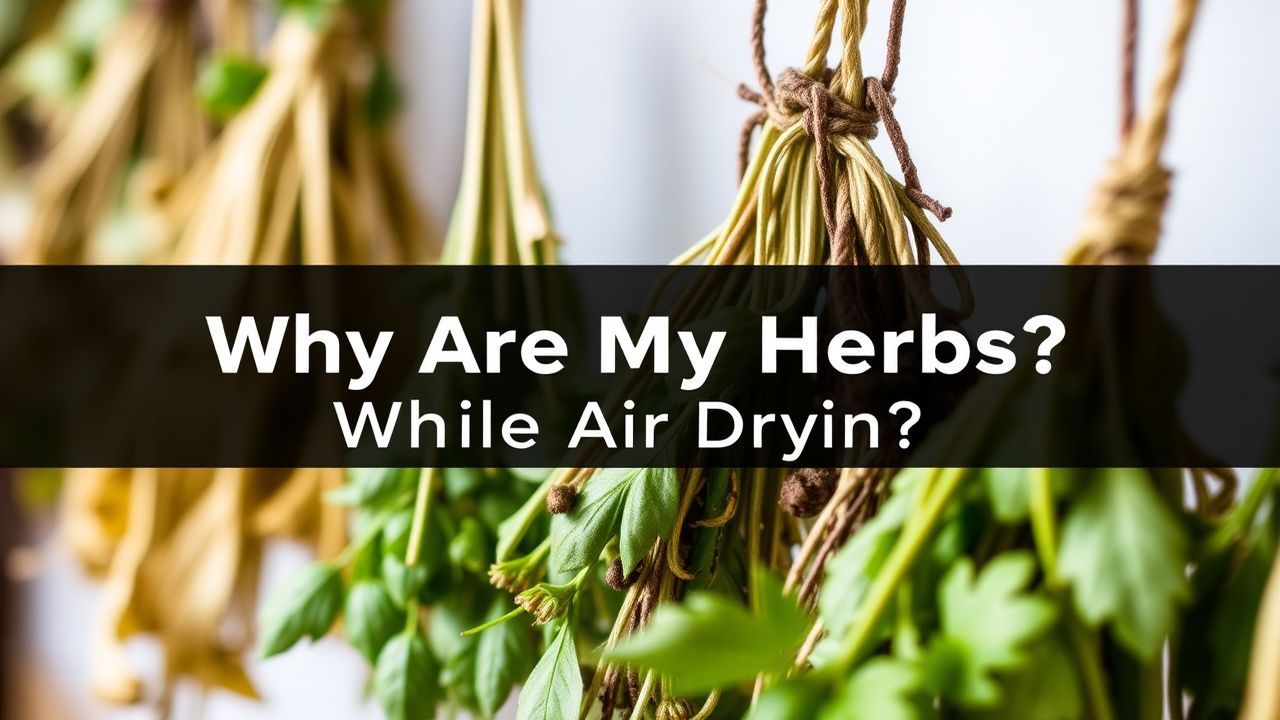
Tie stems into small bundles with clear gaps between stems. Hang upside down and leave at least 2–3 inches between bunches so air can pass freely.
Alternatively, lay a single layer on a mesh drying rack and turn frequently. Single-layer drying shortens time and reduces trapped pockets where mold begins.
3. Control the room environment
Keep the drying space warm—around 65–75°F (18–24°C)—and below 60% relative humidity. A dehumidifier plus a low-speed fan converts marginal spaces into reliable drying rooms.
Vent outside when possible and avoid bathrooms or kitchens that cycle humidity. If your locale is persistently humid, plan for mechanical drying instead of relying on air-only herb drying.
Daily inspection and rescue steps
Check bundles daily for soft spots, discoloration, or a musty odor. Early removal of a few stems often saves the rest of the harvest.
If bundles feel slightly damp but show no fuzzy growth, increase airflow and separate stems. A fan and temporary single-layer finishing usually finishes drying in 24–48 hours.
When to use alternative drying methods
When air drying proves unreliable, switch to a food dehydrator or a low-heat oven. These tools control temperature and airflow and shorten drying time dramatically.
For most herbs, set a dehydrator to 95–115°F (35–46°C) and check often. For ovens, use the lowest setting, prop the door slightly, and monitor until leaves crumble.
Chef’s notes: practical tips for consistent herb drying
Avoid plastic while herbs dry. Non-breathable materials trap moisture and create spots where mold establishes.
Label and test jars after storage. Shake a small amount into a bowl; any clumping or off-aroma means latent moisture. Re-dry immediately to avoid mold development.
Storage and long-term care after herb drying
Fully dried herbs break easily between your fingers and store best in airtight glass jars kept in a cool, dark cabinet. Oxygen and light degrade volatile flavor compounds over time.
Check jars after 48–72 hours. Any latent moisture shows as softened texture or clumping; re-dry at low heat until the herb crumbles to avoid mold during storage.
Resources and further reading
For technical background on drying processes, review the drying (chemistry) page. That entry explains how water activity drops during drying and how it limits microbial growth.
To learn more about fungi that cause spoilage, see the mold (fungus) article. For atmospheric factors that influence drying, consult the humidity entry.
FAQ
Q: Why did mold appear on herbs that looked dry?
A: Surface dryness can mislead you. Inner stems, leaf axils, or dense bundle cores may retain moisture and allow mold to colonize despite a dry exterior.
A: To prevent this during herb drying, split large bundles and increase airflow so the interior loses moisture at the same rate as the outside.
Q: Can I wash mold off and still use the herbs?
A: No. Visible mold can indicate mycotoxin contamination that washing does not remove. Discard affected herbs rather than risk ingestion.
A: If only a few stems show early signs, remove and discard them. Finish-drying the remaining stems under higher airflow will usually save the batch.
Q: Which herbs are hardest to air dry?
A: Tender, high-moisture herbs such as basil and parsley dry more slowly and have higher mold risk. Woody stems like rosemary and thyme dry faster and resist mold better.
A: For tender herbs, prefer single-layer mesh drying or a dehydrator to ensure quick moisture removal during herb drying.
Q: How do I speed up drying without losing flavor?
A: Increase gentle airflow and keep the drying temperature moderate. High heat strips volatile oils, so use low temperatures or a dehydrator set to about 95–115°F (35–46°C).
A: Also, avoid direct sun. Sun can heat spots unevenly and cause loss of aroma compounds, resulting in bland dried herbs.
Q: Where can I read more about drying science?
A: Consult the food drying and drying (chemistry) entries for technical overviews of moisture removal, water activity, and preservation.
A: For practical botanical context, the herb article clarifies culinary vs. medicinal usage and helps you decide which plant parts to dry.
See also: herb drying
See also: herb drying