

Wild Greens Unveiled: Nature’s Nutrient-Packed Superfoods
Wild greens grow in meadows, riverbanks, and forest edges and deliver dense nutrition in small bites. I write from years of field foraging and kitchen testing to explain safe harvest, simple preparation, and practical uses for these plants.
- High nutrient density: Many wild greens contain elevated levels of vitamins, minerals, and unique phytochemicals.
- Simple preparations: Light sautéing, blanching, and raw uses preserve texture and nutrients.
- Sustainable foraging: Ethical harvest protects plant populations and local ecology.
What are wild greens?
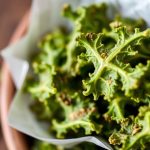
Wild greens are edible leaves and shoots that grow without cultivation. They include plants such as dandelion, nettles, chickweed, and purslane and often serve as traditional food sources.
These plants fall under the broader category of wild food and leaf vegetables and have long histories in human diets. See wild food and leaf vegetable for biological and cultural context.
Prep and Cook Time
Preparation often takes less than 20 minutes for a simple sauté or salad. I recommend allocating a short cleaning step because wild leaves can hold grit and small insects.
Cooking time varies by species; tender greens need two to five minutes of heat while tougher stems benefit from a brief blanch. Keep a quick timer and a wide skillet handy to preserve texture.
Yield
The base recipe here yields four side-dish servings and makes a practical addition to family meals. Portions scale easily with the number of diners and the variety of greens used.
Because wild leaves cook down significantly, start with a larger raw volume—about four packed cups—to finish with a modest plated serving per person. This approach keeps the texture lively and the flavor concentrated.
Difficulty Level
Cooking with wild greens is beginner-friendly but demands attention to species ID and cleaning. The culinary techniques are simple: rinse, blanch or sauté, season, and serve.
Foragers should gain familiarity with a few safe plants before expanding their list. Start small and build confidence through reliable references and practice.
Ingredients
This ingredient set supports a basic sauté that highlights the greens’ natural character. You can tweak fat, acid, and garnish to suit your taste while preserving nutrients.
- 4 cups mixed wild greens (dandelion, nettle, chickweed, purslane), thoroughly washed and chopped
- 2 tablespoons extra virgin olive oil
- 3 cloves garlic, finely minced
- 1 small shallot, thinly sliced
- 1 tablespoon fresh lemon juice
- 1 teaspoon sea salt
- ½ teaspoon freshly cracked black pepper
- 2 tablespoons toasted pine nuts, for garnish
- Optional: 1 teaspoon red chili flakes
Use high-quality oil and fresh citrus to balance robust leaf flavors. When possible, taste and season at multiple points while cooking.
Instructions
Follow these steps for a reliable sautéed wild greens dish that preserves color and nutrients. The method minimizes liquid release and concentrates flavor.
- Prepare the greens: Rinse thoroughly to remove grit, then spin or pat dry. Chop roughly so leaves wilt evenly while retaining texture.
- Warm the oil: Heat oil in a wide skillet over medium heat. Add garlic and shallot; sauté until fragrant and translucent, about 2–3 minutes.
- Cook the greens: Add chopped greens and toss to coat. Cook, stirring frequently, until just wilted—roughly 4–6 minutes depending on toughness.
- Season and finish: Add salt, pepper, and optional chili flakes. Finish with lemon juice to brighten flavors and help with iron absorption.
- Plate: Serve hot, sprinkled with toasted pine nuts for contrast and crunch.
Serve promptly to enjoy the best texture and aroma. Leftovers keep up to two days refrigerated and reheat gently to avoid sogginess.
Tips for Success
Sourcing and cleaning shape the final result more than complicated technique. Prioritize leaves from clean areas and handle them gently to preserve cellular structure.
Use acid (lemon or vinegar) at the end to lift flavors, and combine bitter leaves with sweet or fatty elements for balance. A small amount of fat improves nutrient absorption for fat-soluble vitamins.
Identifying safe species
Begin with well-known plants such as dandelion and purslane and learn their look-alikes. Study plant structure, underside of leaves, and growth habit to avoid mistakes.
Reliable resources and in-person mentors accelerate safe learning; consult guides and local foraging groups before harvesting. Explore the biology of dandelion, stinging nettle, and general foraging to ground your identification skills.
Rotate the species you harvest to avoid over-harvesting local populations. Respect protected areas and private property when foraging.
Serving Suggestions
Use sautéed wild greens as a side dish with grilled fish or roast chicken, or toss them with grains for a warm salad. Their concentrated flavor pairs well with toasted nuts, sharp cheeses, and bright acids.
Try folding chopped wild greens into pasta, mixing them into a warm quinoa bowl, or adding them to an omelette for a quick nutrient boost. They also make a lively base for a spring tart or savory galette.
Nutritional Snapshot
Wild greens typically supply vitamins A and C, folate, iron, calcium, and diverse phytonutrients. Their nutrient density often exceeds that of many cultivated greens on a per-gram basis.
Because many nutrients are water-soluble or sensitive to heat, use brief cooking or raw applications when appropriate. For technical context, consult general information about leaf vegetables.
| Nutrient | Per Serving |
|---|---|
| Calories | 120 |
| Protein | 4g |
| Carbohydrates | 8g |
| Fat | 9g |
Ethical Foraging and Sustainability
Harvest with restraint: take only a portion of a patch and rotate locations to allow regrowth. Leave roots where plants regenerate from them to maintain populations.
Respect wildlife needs and avoid rare or protected species. Learn local regulations and preferred practices through community groups and conservation resources.
FAQ
What exactly are wild greens and which ones are safest for beginners?
Wild greens are edible leafy plants growing without formal cultivation. Beginners often start with dandelion, chickweed, and purslane because they have distinct features and broad culinary uses.
How do wild greens compare to store-bought leafy vegetables nutritionally?
Many wild greens provide higher concentrations of certain vitamins, minerals, and phytochemicals per weight than some cultivated greens. The exact profile varies by species, soil, and season.
Are wild greens safe to eat raw?
Some are safe raw, like purslane and chickweed, while others require blanching or cooking—nettles need heat to neutralize stinging hairs. Identify the species first and follow recommended preparation methods.
How should beginners learn plant identification?
Use reputable field guides, attend guided walks, and cross-check multiple sources before consuming a new plant. Practical, supervised identification trumps app-only identification for safety.
Where can I find more reliable references on wild edibles?
Consult botanical field guides, university extension publications, and local foraging groups. For a concise overview of historical and cultural use, see wild food.
In Summary
Wild greens offer concentrated nutrients and bold flavors that reward careful sourcing and simple technique. With basic identification skills and ethical harvest practices, they become a sustainable, flavorful addition to regular meals.
Start with a few trusted species, prepare them gently, and record your experiences to build practical, safe knowledge. Wild greens can expand your culinary range and connect you more directly to local seasonality.
See also: Wild greens