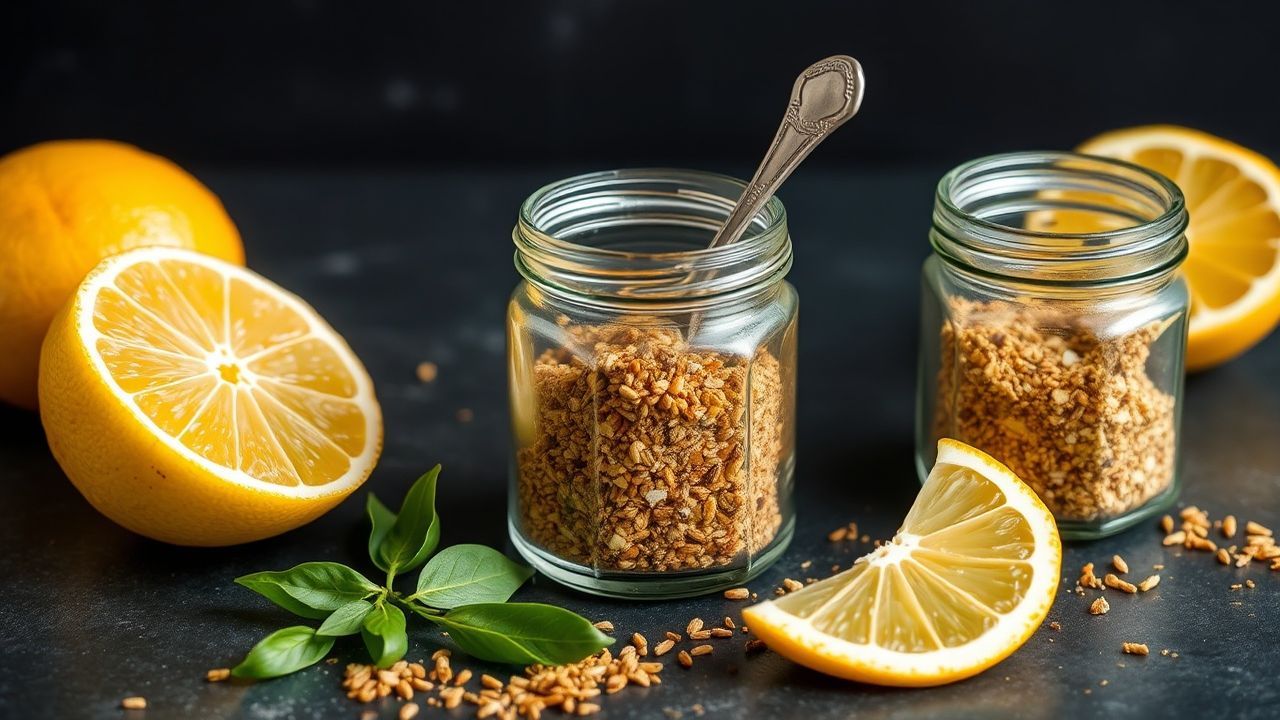

Zesty homemade citrus pepper seasoning combines bright, dried citrus peel with coarse cracked pepper to add immediate aroma and clarity to food. This blend amplifies fresh ingredients and finishes dishes with a crisp, aromatic lift.
- Bright citrus notes cut through rich or fatty foods and refresh the palate.
- Coarse pepper gives texture and a lingering spice that complements citrus oils.
- Simple technique — a little drying and coarse grinding yields a long-lasting, versatile pantry staple.
This page keeps the original recipe structure while improving readability, technical detail, and practical uses. Expect exact measurements, clear preservation steps, and testing tips that help you reproduce consistent results.
Zesty Homemade Citrus Pepper Seasoning — What It Is
This seasoning is a composed dry blend of dried citrus peel, cracked black pepper, and a few supporting spices. It functions as a finishing salt, rub base, or an aromatic boost for dressings and dips.
The concept relies on two fundamentals: concentrated citrus aromatics from dried peel and texture plus heat from coarse pepper. For background on the citrus family, see citrus.
At a Glance: Prep Details and Yield
Timing and yield are straightforward, which makes this blend ideal for home cooks who want a reliable seasoning that stores well. You can scale ingredients linearly to produce larger batches for gifts or seasonal use.
Use the following as a standard guideline; adjust for intensity and salt level to taste.
- Preparation: 10 minutes active time plus drying if using fresh zest.
- Drying/Curing: Optional 30–60 minutes in a low oven or use a dehydrator.
- Total Time: 10–15 minutes active, up to 1 hour including drying.
- Yield: ~1/2 cup (120 ml) finished seasoning.
Ingredients and Functional Roles
List the ingredients, then explain why each matters. That helps you swap components without losing balance.
Core recipe (yields ~1/2 cup):
- 2 tbsp dried lemon zest (finely grated before drying or use pre-dried)
- 2 tbsp dried orange zest
- 1 tbsp dried lime zest
- 3 tbsp freshly cracked black peppercorns
- 1 tbsp crushed pink peppercorns (optional for floral fruitiness)
- 1 tbsp flaky sea salt
- 1 tsp garlic granules
- 1 tsp smoked paprika (optional for smoky depth)
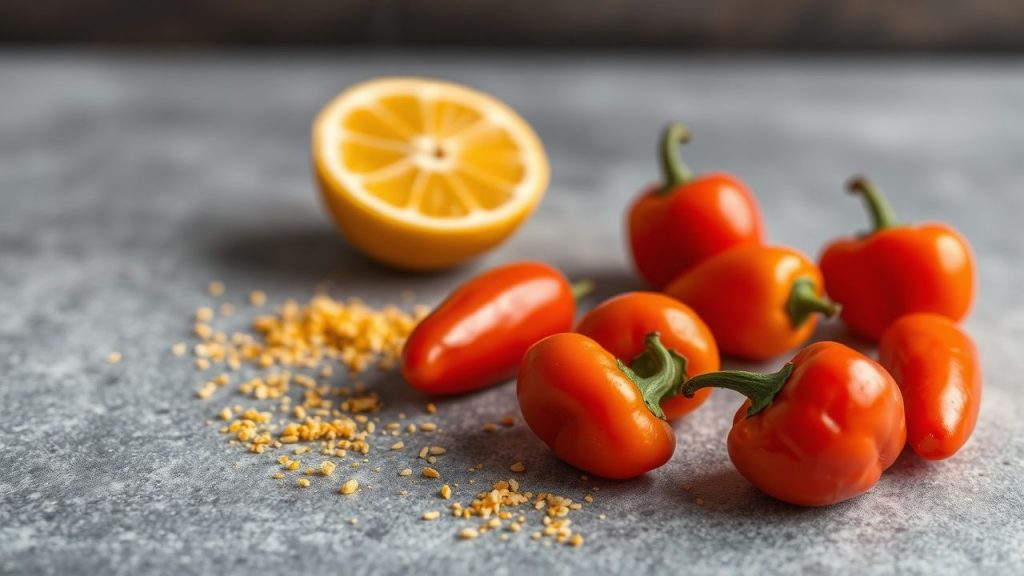
- 1/2 tsp crushed red chili flakes (optional for heat)
Each component plays a role: citrus peel provides volatile oils and acidity perception, peppercorns supply piperine-based heat, and salt amplifies flavors. For technical context on peel and aroma compounds, see citrus peel.
Instructions
Follow stepwise technical steps for consistent texture and shelf stability. Keep spice-contact surfaces dry and cool during processing to avoid moisture pickup.
Work methodically: dry peel first, then grind pepper, finally combine and rest to marry flavors.
Prepare the citrus zest
Use a microplane or fine grater to remove only the colored outer peel, avoiding the bitter pith. Spread the zest thinly on parchment or a baking tray to dry evenly.
Dry at the lowest oven temperature (about 170°F / 75°C) or use a dehydrator. For more on drying techniques, consult food preservation resources such as food drying.
Grind the peppercorns
Use a spice grinder, mortar and pestle, or sturdy rolling-pin technique to coarsely crack peppercorns. Aim for variable particle size so the mix releases bursts of flavor without turning powdery.
Coarse grinding preserves essential oils and maintains textural interest when the blend finishes on food.
Combine and store
Use a dry bowl to mix dried peels, cracked pepper, salt, and seasonings until uniform. Taste and adjust — start conservative with salt and chili, then escalate if desired.
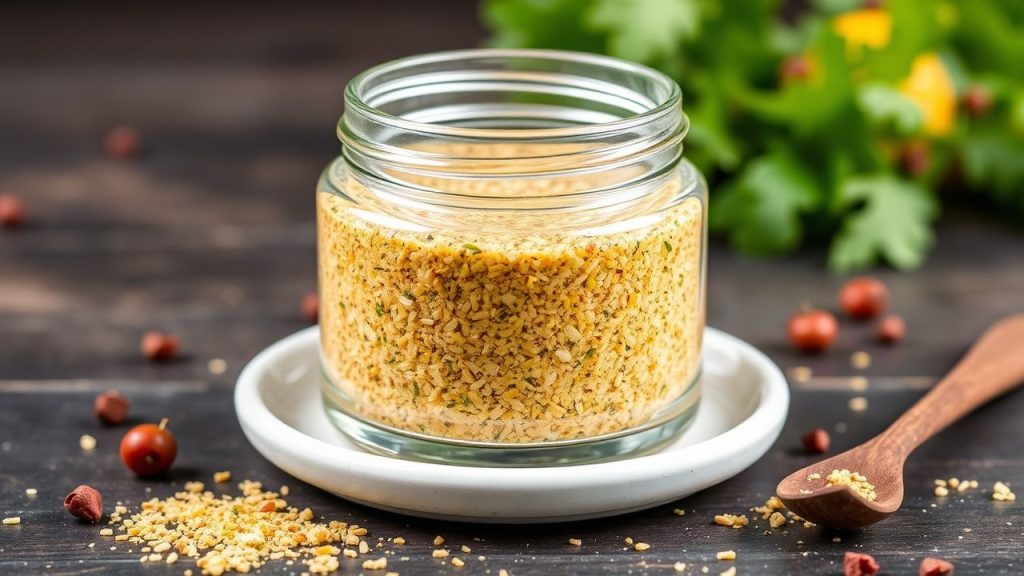
Transfer to an airtight glass jar and label with date. Store in a cool, dark place. Typical potency: 2–3 months for optimal aroma, longer if kept cool and dry.
Tips for Success
Small technique adjustments change the final character. Control drying and grind size for predictable results.
Follow these practical tips to tune aroma, heat, and mouthfeel.
- Dry zest thoroughly: Moist zest shortens shelf life and invites clumping. Dry to brittle texture.
- Adjust heat: Increase black pepper or chili flakes incrementally; pink peppercorns add floral fruitiness rather than pure heat.
- Customize citrus notes: Add grapefruit or bergamot zest sparingly for unusual aromatic twists.
- Make ahead: Resting 24 hours allows volatile oils to meld and the blend to mellow.
Practical Uses and Recipe Applications
This blend functions as a finishing seasoning, rub component, or salad accent. Its bright profile makes it especially good with protein and roasted vegetables.
Here are concrete applications with simple method notes so you can integrate the blend into common preparations.
- Finishing on grilled fish: Sprinkle just before serving to preserve citrus oils and pepper texture. The citrus balance brightens fatty fish.
- Marinades: Combine with olive oil and acid for a quick marinade. For a primer on marinades and their chemistry, see marinade.
- Dips and spreads: Fold 1–2 tsp into yogurt, labneh, or a vinaigrette for immediate aromatic lift.
- Snacks: Use as a finishing salt on popcorn, roasted nuts, or fries for a restaurant-style pop of flavor.
Batch Scaling and Variation Ideas
Scale ingredients linearly for larger batches. When producing over 1 cup, slightly reduce salt percentage to prevent overpowering flavors.
Variation suggestions: substitute 1/3 of black pepper with white pepper for cleaner heat, or add toasted fennel seed for licorice undertones. Reference the basic spice concept at spice for further experimentation.
Nutrition Snapshot
Dry seasoning adds negligible macronutrients per teaspoon, but it significantly alters perceived taste and satiation cues. Use sparingly where sodium is a concern.
Estimated per 1 tsp:
| Nutrient | Per 1 tsp |
|---|---|
| Calories | 5 |
| Protein | 0.2 g |
| Carbohydrates | 1 g |
| Fat | 0 g |
Q&A
Concise answers to common technical and use questions help you troubleshoot and adapt the recipe.
What exactly is citrus pepper seasoning?
It’s a composed dry blend combining dried citrus peel and cracked pepper with salt and optional aromatics. It functions as a finishing spice that emphasizes brightness and heat.
Why make it at home instead of buying?
Homemade blends allow you to control freshness, salt level, and intensity. Fresh-dried zest preserves volatile aroma compounds that commercial blends often lack.
How should I store the blend for best longevity?
Store airtight, away from heat and light. Use small jars and rotate stock so you use the oldest jars first; potency declines over months as volatile oils dissipate.
Can I use other pepper types?
Yes. Black pepper offers robust heat, white pepper is cleaner, and pink peppercorns provide fruity, floral notes. Blend pepper types to create layered heat profiles.
How can I avoid bitterness when drying zest?
Zest only the colored layer; avoid pith. Dry at low temperature until crisp but not browned, and consider a short toast if you want intensified aroma without added bitterness.
To Wrap It Up
Citrus pepper seasoning rewards careful drying and a thoughtful balance of salt and pepper texture. It lifts dishes across protein, vegetables, and snacks by adding focused aromatic brightness.
Use it sparingly at first, taste as you go, and store in small, labeled jars to keep the blend lively. A little sprinkle will deliver concentrated flavor impact with minimal effort.
For more advanced technique reference, consult culinary science and preservation sources that explain oil volatility, drying kinetics, and flavor pairing principles.
See also: Citrus pepper