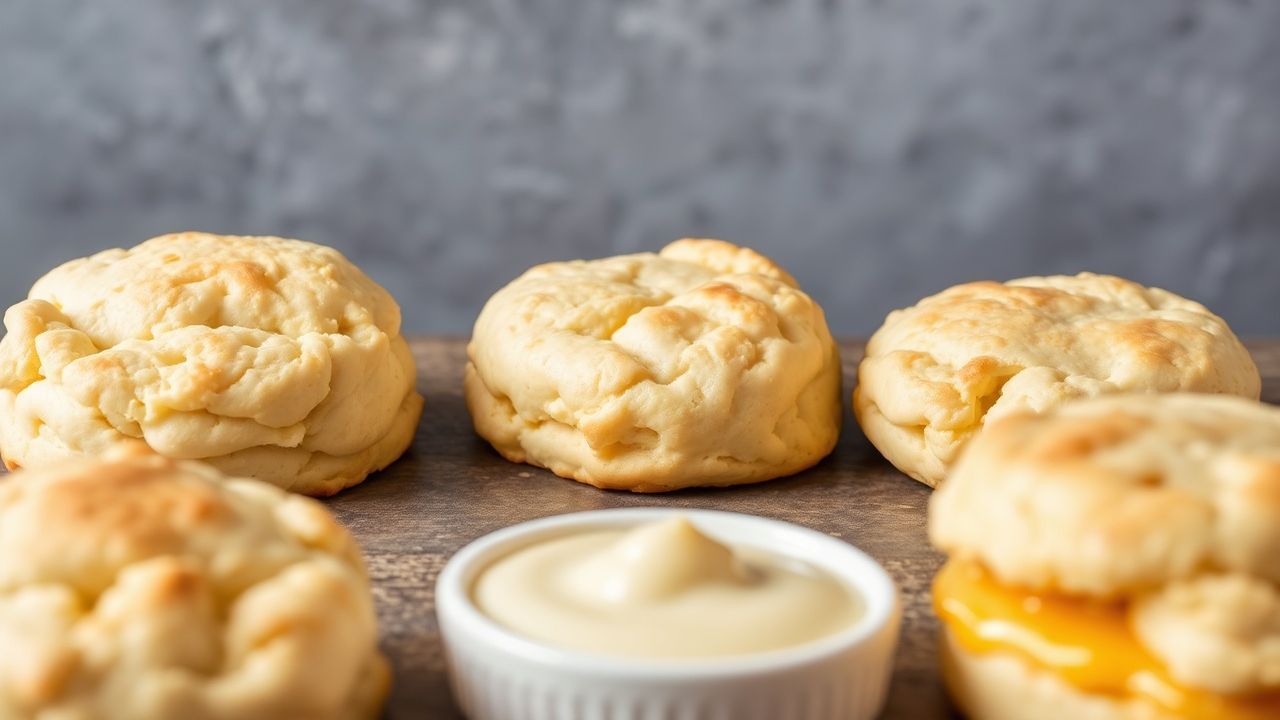

If the warm, buttery aroma of freshly baked Cheddar Bay-style biscuits makes your kitchen sing, you are in the right place. This recipe reproduces the sharp cheese, garlic butter, and pillow-like crumb that diners love, using straightforward technique and everyday ingredients.
- 30 minutes: total time from prep to table for 12 biscuits.
- Key texture: cold butter and minimal handling create flakiness and lift.
- Flavor punch: fresh shredded cheddar plus garlic butter finish.
- Storage: store airtight and reheat briefly to revive freshness.
Overview: Why these Cheddar Biscuits work
These biscuits rely on three simple technical decisions: cold solid fat, an acid/tenderizer in the liquid, and short mixing. Together they produce steam-driven lift, a tender crumb, and a golden exterior.
Understanding each element helps you repeat great results. Read the ingredient logic below and keep steps deliberate to avoid dense biscuits.
Ingredients and their roles
2 cups all-purpose flour: provides structure through gluten formation when hydrated. Use a spoon-and-level measure to avoid excess flour and dense results.
1 tablespoon baking powder and 1/2 teaspoon baking soda: baking powder supplies the primary rise while a small amount of baking soda balances acidity for browning and tenderness. For context on leavening chemistry see baking powder.
1 teaspoon salt and 1/4 teaspoon garlic powder: salt enhances flavor and controls gluten development, while garlic powder layers the savory profile without wetting the dough.
1/4 cup cold butter, cubed: cold solid fat creates layered structure; as butter melts in the oven it forms steam pockets for lift and flakes. Keep butter refrigerated until the last moment.
1 cup shredded sharp cheddar cheese: use a block and shred fresh for best melting and flavor clarity. Learn about the cheese style at Cheddar.
3/4 cup buttermilk: buttermilk adds acidity and tenderness and reacts with leaveners to improve texture. If unavailable, see the technique in the Tips section and review buttermilk background.
Topping: 3 tablespoons melted butter mixed with 2 cloves minced garlic and 1 tablespoon chopped parsley finish the biscuits with shine and aroma. Garlic contributes aromatic sulfur compounds; read more about garlic if you want to adjust intensity.
Instructions: Step-by-step baking method
Prep and mixing
Preheat the oven to 425°F (220°C). Line a baking sheet with parchment or lightly grease it so bottoms brown evenly.
Whisk flour, baking powder, baking soda, salt, and garlic powder in a large bowl until uniform. Even distribution of leaveners prevents uneven rise and off-flavors.
Cut cold butter into the dry mix until the mixture looks like coarse crumbs with some pea-size butter pieces visible. Use a pastry cutter or two knives to avoid warming the fat with your hands.
Fold in the shredded cheddar gently so the cheese pockets remain dispersed. Overmixing at this point begins gluten development and makes the dough tight.
Forming and baking
Stir in buttermilk just until the dough holds together; it should be shaggy and slightly sticky. If the dough looks dry, add a tablespoon of extra buttermilk; if very wet, add a light dusting of flour.
Use an ice cream scoop or large spoon to portion 12 generous mounds, spacing them about 2 inches apart. Mounds should be tall rather than flattened to encourage vertical rise.
Bake 12–15 minutes until tops are puffed and golden brown. Ovens vary, so begin checking at 10 minutes to avoid over-browning.
While the biscuits bake, melt butter and stir in minced garlic and parsley for the glaze. Brush the hot biscuits immediately after they come out so butter absorbs into the crumb and crust.
Tips for success
Use cold ingredients: cold butter and chilled buttermilk slow gluten formation and keep fat solid until the oven. That preserves layered texture and prevents greasy crumbs.
Minimal handling: mix only until combined. A few unincorporated streaks of flour are fine because overworking develops toughness rather than flakiness.
If you cannot get buttermilk, acidify milk with vinegar or lemon juice and let it sit five minutes; this provides similar acidity and tenderizing action. The acid also interacts with baking soda to enhance browning.
Choose high-quality sharp cheddar for pronounced flavor. Pre-shredded cheese contains anti-caking additives that affect melt; shred from a block for best texture and flavor burst.
Serving suggestions and storage
Serve warm, brushed with extra garlic butter for sheen and aroma. These biscuits pair exceptionally well with seafood, grilled proteins, and hearty soups.
To store, cool completely and place in an airtight container at room temperature for up to two days. Briefly reheat at 350°F for 5–7 minutes to refresh texture and flavor.
If you need to freeze, freeze shaped mounds on a tray until solid, then transfer to a sealed bag. Bake from frozen and add 2–4 minutes to the bake time for consistent results.
Recipe card: precise quantities and timing
Yield: 12 biscuits. Prep: 15 minutes. Bake: 12–15 minutes. Total time including resting and glazing: approximately 30 minutes.
Ingredients: 2 cups all-purpose flour; 1 tbsp baking powder; 1/2 tsp baking soda; 1 tsp salt; 1/4 tsp garlic powder; 1/4 cup cold butter cubed; 1 cup shredded sharp cheddar; 3/4 cup buttermilk; 3 tbsp melted butter; 2 cloves garlic minced; 1 tbsp chopped parsley.
Step-by-step summary
Combine dry ingredients, cut in butter, fold in cheese, add buttermilk, portion, and bake until golden. Brush with garlic-parsley butter while warm.
Keep an eye on bake time and oven hotspots. Rotate the sheet at mid-bake if your oven runs unevenly for consistent color and doneness.
Nutrition snapshot
Per biscuit estimates: about 180 kcal, 5 g protein, 20 g carbohydrates, 9 g fat. Values vary by exact ingredients and portion size.
These are approximate and intended for general planning rather than medical advice. For detailed dietary questions consult a nutrition specialist.
| Nutrient | Per Biscuit |
|---|---|
| Calories | 180 kcal |
| Protein | 5 g |
| Carbohydrates | 20 g |
| Fat | 9 g |
Common troubleshooting
Biscuits turn out dense: likely overmixed or too much flour. Next time chill butter more and use a lighter hand when combining wet and dry.
Biscuit tops brown too fast: lower the shelf in the oven or tent with foil for the last few minutes. Alternatively, reduce oven temperature by 15–20°F and add a few minutes to bake time.
FAQ
How can I make these biscuits flakier?
Keep the butter cold and cut it into pea-size pieces so it melts and produces steam pockets in the oven. Handle dough minimally to prevent strengthening gluten, which reduces flakiness.
Can I use self-rising flour?
You can substitute self-rising flour if you omit added baking powder and salt and adjust quantities accordingly. However, results vary; the separate leaveners offer more reliable control of rise and texture.
Is there a dairy-free option?
You can use plant-based butter and a dairy-free milk acidified with lemon juice as a buttermilk substitute. Expect slight differences in flavor and browning due to fat and sugar composition changes.
What cheese works besides cheddar?
Sharp cheddar gives the classic bite, but aged Gouda or a tangy Asiago provide interesting variations. Choose cheeses that melt well and offer distinct savory notes.
How do I reheat frozen shaped biscuits?
Bake from frozen and add 2–4 minutes to the bake time, or thaw in the refrigerator overnight and reheat at 350°F for 5–7 minutes. Brushing with butter after reheating restores sheen and aroma.
These biscuits deliver reliable comfort when you respect the basic pastry rules: cold fat, measured leavening, and minimal handling. Use the small technique tweaks above to tailor texture and flavor to your kitchen and taste.
For a quick primer on the historical category, see biscuit (bread) to place these American-style biscuits in context with global quick breads.
See also: Cheddar Biscuits