
Brisket Knives Unveiled: Slice Like a BBQ Pro
When you work with smoked brisket, the blade you choose determines whether each serving looks professional or torn. A proper brisket knife helps you produce uniform, juicy slices while preserving the bark and texture the smoker built.
- Long, sharp blades reduce strokes and tearing.
- Blade material affects maintenance and edge retention.
- Ergonomics matter for comfort during long carving sessions.
- Cold-rested brisket slices cleaner; rest before cutting.
Prep and Cutting Time
Preparation: Not applicable to cooking—this focuses on slicing technique and tools. Have tools, cutting board, towel, and a rested brisket ready before you begin.
Cutting Time: Expect 10–20 minutes depending on brisket size and your stroke speed. Longer, single-stroke cuts with a proper blade speed up plating and preserve juices.
Yield
One well-sliced brisket typically serves 6–8 people when cut into 1/4-inch slices. Adjust thickness to taste; thinner slices extend portions and emphasize tenderness.
For events, plan two briskets for crowd sizes over twelve, or supplement with sides to manage portions.
Difficulty Level
Intermediate: You need a steady hand and knowledge of meat grain orientation. A brisket knife reduces the skill gap but practice improves presentation.
Mastering even slices takes repetition. Practice on smaller cuts to refine stroke length and angle before tackling a competition-sized packer.
Ingredients & Tools
1 high-quality brisket knife—select the blade and handle that match your slicing rhythm and care routine. Blade length between 10–14 inches suits most whole briskets.
1 smoked brisket rested and chilled 20–45 minutes; a chilled brisket slices thinner with less tearing. Also prepare a heavy cutting board and a damp towel to stabilize it.
Choosing Your Brisket Knife
Blade geometry and steel determine cut quality and maintenance. A long, narrow blade delivers smooth single-stroke cuts; the proper steel retains a working edge longer and resists corrosion.
For background on brisket as a cut, see brisket. For knife fundamentals, consult the general knife article.
Blade Materials
Stainless steels resist rust and suit low-maintenance users; look for food-grade alloys. Read more about the alloy family at stainless steel.
Carbon steels sharpen to a very fine edge and retain it longer, but they need drying and oiling after use. See the metallurgy overview at carbon steel.
Edge Types and Blade Shape
A straight, razor edge provides the cleanest slice on tender brisket. Serrations can tear the bark and should be reserved for crusty, heavily encrusted pieces.
Thin, flexible blades help when transitioning from flat to point. If you prefer control over flexibility, choose a slightly stiffer long blade to avoid blade chatter on thicker sections.
Ergonomics and Design
Handle material and balance affect comfort during long carving sessions. Pakkawood, reinforced polymers, and textured composites deliver a secure grip in greasy conditions.
Full tang construction improves balance and stability. Contoured handles that conform to your palm reduce wrist strain and help maintain consistent slicing angles.
Cutting Surface
Use a heavy-duty wood or plastic board with a juice groove to catch runoff and protect the blade edge. A stable board prevents sliding and uneven cuts.
For general cutting-surface considerations see cutting board. Place a damp towel beneath the board to eliminate movement before slicing.
Top Brisket Knife Recommendations
Below are categories and traits I recommend when selecting a brisket knife. Brand names are examples; choose a model that matches your preferred steel and handle.
- Lightweight slicer: Thin blade, nimble handling for fast single-pass cuts.
- Heavy-duty carver: Stiffer blade for controlled slices on thicker flats and points.
- All-rounder: Mid-weight with good edge retention and comfortable handle.
If you want manufacturer specifics or trusted user reviews, consult your internal resource pages such as the BBQ Basics and Tools Guide for curated options and buying tips.
Also check our maintenance and sharpening primer at Knife Care & Sharpening for step-by-step routines to keep that blade slicing like new.
Instructions for Expert Brisket Slicing
- Chill the brisket: Rest the brisket 20–45 minutes after cooking; cooler meat slices without shredding.
- Stabilize the board: Put a damp towel under the cutting surface to stop sliding.
- Hold the knife correctly: Dominant hand on the handle; support the meat with the fingertips of your non-dominant hand.
- Identify the grain: Slice against the grain at roughly 1/4-inch for tender bites.
- Use fluid strokes: Let the blade glide in long, single motions; avoid sawing to keep slices intact.
- Rotate as needed: Adjust orientation when moving from flat to point to maintain consistent thickness.
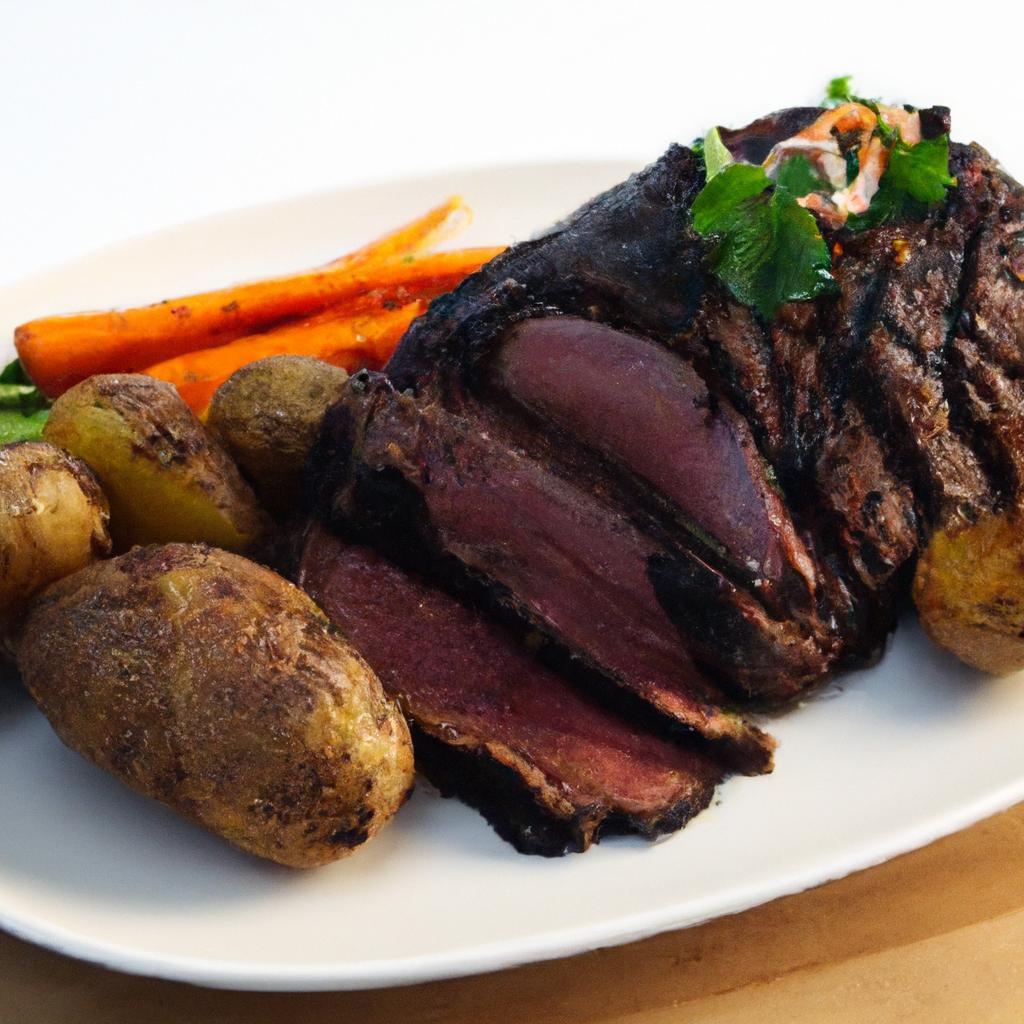
Keep a warm serving platter ready and arrange slices in slightly overlapping rows to preserve heat and presentation. Rewarm gently if necessary; avoid direct high heat that dries meat.
Chef’s Notes: Tips for Success
Sharpening rhythm: Hone before each service and sharpen professionally as edge wear dictates. Frequent light maintenance beats sporadic aggressive sharpening.
Slice thickness: 1/4-inch produces tender portions; adjust thinner for sandwiches or thicker for hearty slices. Watch the grain and choose the appropriate thickness for texture.
Maintenance and Care
Hand-wash your brisket knife immediately after use and dry it thoroughly. For carbon-steel blades, apply a light coat of food-safe oil to prevent oxidation.
Store blades in a block, magnetic strip, or sheath to protect the edge. Avoid dishwashers; they degrade the edge and can corrode softer steels.
Serving Suggestions
Present brisket slices across warm mashed potatoes or alongside smoked beans and crisp slaw. Garnish with fresh herbs to brighten the plate visually and with palate contrast.
Add condiments and pickles on the side so diners can tailor richness. Offer sauces warmed separately to maintain crust texture on plated slices.
Q&A
Q&A: Brisket Knives Unveiled – Slice Like a BBQ Pro
Q1: What exactly is a brisket knife, and how does it differ from other kitchen knives?
A brisket knife is a specialized slicer with a long, narrow blade designed to cut continuous, even slices. Compared with chef’s knives, it reduces sawing and tearing by enabling long single-stroke cuts.
Q2: Can I use a chef’s knife for brisket in a pinch?
Yes, but expect more strokes and a less consistent edge. A proper brisket knife reduces muscle-fiber shredding and improves presentation.
Q3: Which blade material should I choose for home use?
Stainless steel offers low maintenance and corrosion resistance, while carbon steel gives better edge retention at the cost of extra care. Choose based on how often you will sharpen and how you store the knife.
Q4: How often should I sharpen or hone my brisket knife?
Hone with a steel rod before each service to realign the edge. Sharpen with a whetstone or professional service when honing no longer restores a keen edge—frequency depends on use.
Q5: How long should brisket rest before slicing?
Rest 20–45 minutes wrapped loosely in foil or butcher paper. Cooling slightly firms the meat, allowing cleaner, thinner slices with less juice loss.
Insights and Conclusions
Mastery in brisket slicing comes from three elements: the right blade, consistent technique, and routine care. These items work together to preserve texture, enhance presentation, and make every serving taste intentional.
Invest in a blade that matches your workload and maintenance habits. Practice long, even strokes and you will quickly see the difference in plate appearance and guest satisfaction.
For a full toolkit on smoker gear and related techniques, visit our BBQ Basics and Tools Guide. For step-by-step sharpening instructions, check Knife Care & Sharpening.
See also: brisket knife