
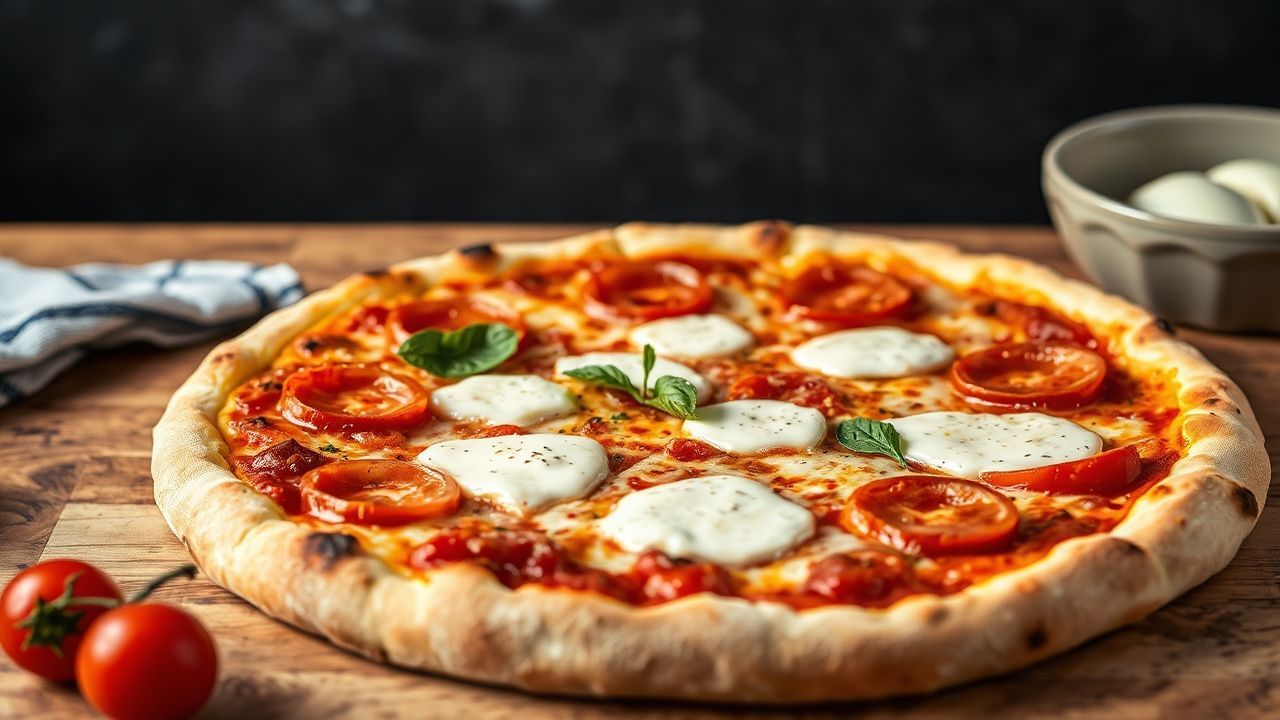

Crafting the Perfect Sourdough Pizza with Homemade Mozzarella
Sourdough and fresh mozzarella change a routine pizza into a layered, savory experience. This guide walks a home cook through fermentation, curd-handling, and high-heat baking with clear, actionable steps.
- Natural fermentation deepens flavor and improves crust texture.
- Stretch fresh mozzarella while warm for ideal melt and pull.
- High heat and a preheated stone produce the classic blistered crust and crisp base.
Why Sourdough and Fresh Cheese Work Together
Sourdough contributes acidity and a complex flavor profile that contrasts the creamy, neutral fat in fresh mozzarella. That balance creates a pizza with more dimension than a straight commercial-yeast crust paired with processed cheese.
For technical context, read about the microbiology behind naturally fermented leavening at sourdough. Understanding the organisms and byproducts helps you control aroma, texture, and crust color.
At a Glance: Prep and Yield
Plan time around fermentation and cheese-setting windows, not active hands-on time. Active tasks concentrate in two bursts: dough shaping and cheese finishing.
- Preparation: 30 minutes active; 18+ hours total fermentation.
- Cooking: 15–20 minutes per pizza at high heat.
- Yield: Four 12-inch pizzas; serve 4 people.
Ingredients and Key Substitutions
Accurate weighing matters for both dough and cheese. Use a scale; grams give predictable hydration and curd results across flour and milk variability.
Core ingredients include an active sourdough starter, bread flour, whole milk (not ultra-pasteurized), citric acid, and rennet. For texture swaps, half bread flour with all-purpose flour for a lighter crumb but reduced chew.
- Sourdough dough: 250g active starter (100% hydration), 400g bread flour, 250g water, 10g fine sea salt, 15g olive oil.
- Homemade mozzarella: 4 L whole milk, 1½ tsp citric acid dissolved in ¼ cup water, ½ tsp liquid rennet in ¼ cup water, 1 tsp kosher salt.
- Toppings: quality tomato sauce, fresh basil, extra-virgin olive oil; optional prosciutto or roasted mushrooms.
Tools and Equipment
Proper tools shorten the learning curve and increase repeatability. A digital thermometer, kitchen scale, pizza stone or steel, and a microwave or hot-water pot for stretching cheese are high-impact items.
If you want reference material on traditional pizza history and oven techniques, consult the encyclopedia entry for pizza. It clarifies regional oven temperatures and dough styles that inform your approach.
Instructions
Break the process into three concentrated workflows: dough, cheese, and assembly/bake. Address each with precise temperatures and timing to prevent common failures.
Below are stepwise directions arranged as actionable stages. Follow temperatures with a digital probe for predictable outcomes.
Dough: Mix, Fold, and Cold Ferment
Mix starter with water until dissolved, then add flour and salt. Rest 30 minutes (autolyse) to hydrate flour and initiate gluten formation without overworking the dough.
Knead gently 8–10 minutes to build a smooth windowed structure. Ferment at room temperature for 4 hours with folds every 30 minutes, then cold ferment in the refrigerator 12–14 hours for flavor development.
Cheese: From Milk to Stretchy Mozzarella
Warm milk to the citric acid temperature and add the dissolved citric acid to acidify the milk. Heat to 90°F (32°C), add diluted rennet, and allow curd formation undisturbed—this step defines curd integrity.
Cut curds, slowly heat to 105°F (40°C), drain whey, then stretch the curd warmed either by brief microwave bursts or hot water. For theory on dairy curd chemistry, see mozzarella.
Assemble and Bake
Preheat the oven to 500°F (260°C) with a stone or steel for at least 45 minutes to saturate the mass with thermal energy. A heated surface gives the bottom heat that yields a blistered, crisp base.
Shape dough gently into 12-inch discs, apply a thin sauce layer, tear warm mozzarella into pieces, and add basil. Bake 7–10 minutes, rotating halfway for even browning; broil for the final 30–60 seconds to blister the top if needed.
Chef’s Notes and Troubleshooting
Hydration matters: adjust ±10g water to correct for flour absorption. The dough should feel tacky, not sticky—this tactile cue matters more than exact numbers once you gain experience.
If you prefer to study dough structure and fermentation patterns, consult the overview of biological fermentation at fermentation. It explains how acids and gas production shape crumb and crust.
Store-bought fresh cheeses can substitute for homemade mozzarella when time is limited; choose a low-moisture, high-quality fresh ball to minimize excess water on the pie. When using store cheese, pat dry and use sparingly to avoid soggy outcomes.
Allow refrigerated dough to come to room temperature before shaping for easier edge formation. Cold dough resists stretching and will snap back, frustrating efforts to form a thin rim.
When stretching cheese, avoid repeated overheating; overworking the curd breaks the protein matrix and produces oily, grainy cheese. Gentle, confident handling preserves shine and elasticity.
Serving Suggestions
Serve on a wooden peel or rustic board to showcase the texture and char. Add a scatter of fresh basil and a finishing drizzle of extra-virgin olive oil to enhance aroma.
Pair with a crisp white wine or a bright, hoppy beer that can cut through the cheese fat and bolster the sourdough tang. For side dishes, a lemon-dressed arugula salad provides a peppery counterpoint.
Storage and Reheating
Refrigerate leftover slices in an airtight container and reheat in a skillet or a 350°F (175°C) oven for 6–8 minutes. This method restores crisp edges while melting cheese slowly without making the crust soggy.
Avoid microwaving if you aim to preserve texture; microwaves steam the crust and alter cheese structure. Gentle oven or stovetop reheat keeps the experience close to freshly baked.
Related Internal Resources
For a deep look at starter maintenance and dough longevity, visit our internal guide on Sourdough Bread Basics. The guide covers feeding schedules and starter rescue tactics useful for pizza dough.
If you want more on dairy technique, see Cheese Making Basics for stepwise curd care and troubleshooting. These internal pages complement the methods outlined here and improve repeatability.
Nutrition
Calories and macros vary by topping choices and cheese moisture. A typical slice from this recipe averages about 430 kcal with approximately 20g protein, largely from the fresh mozzarella.
Consider portioning and topping choices to manage fat and carbohydrate balance. Using a light hand with olive oil and cured meats reduces per-slice fat without sacrificing flavor.
| Nutrient | Per Serving | Notes |
|---|---|---|
| Calories | 430 kcal | Whole pizza slice |
| Protein | 20g | Rich from homemade mozzarella |
| Carbohydrates | 45g | From naturally fermented dough |
| Fat | 15g | From olive oil and cheese |
Q&A — Practical Questions Answered
This concise Q&A covers the most common operational and sensory questions encountered while making sourdough pizza with fresh mozzarella. Each answer focuses on technique and measurable cues.
These responses draw on chemistry, tactile cues, and oven physics rather than vague descriptors so you can reproduce results consistently.
Q1: Why choose sourdough over commercial yeast?
Sourdough adds organic acids and fermentation-derived flavor compounds that commercial yeast does not produce. The result is a tangy, resilient crumb with a chewy interior and a blistered exterior when baked at high heat.
Additionally, slow fermentation increases dough extensibility and flavor depth. For hands-on practice, trial a 12–24 hour cold ferment and compare crust strength and aroma.
Q2: Is homemade mozzarella difficult for first-timers?
Expect a short learning curve focused on temperature control and curd handling. The steps are straightforward: acidify, coagulate, cut curds, heat, drain, and stretch.
Use a thermometer and follow thermal targets precisely. If curds fail to set, check milk type first—ultra-pasteurized milk often prevents reliable curd formation.
Q3: How hot should my oven be?
Set your oven at 500°F (260°C) or higher if possible; a preheated stone or steel provides the surface heat to produce rapid oven spring and blistering. Preheat the stone for at least 30–45 minutes.
If you have a broil function, use it for the final 30–60 seconds to emphasize top color without overcooking the bottom crust. Monitor closely to avoid burning.
Q4: How to avoid a soggy center?
Limit sauce to a thin layer and use torn, drained mozzarella rather than large wet slices. Excess water from fresh dairy will pool and create sogginess if the oven heat is insufficient.
Also, ensure your oven floor temperature is high—this directs heat into the base quickly and evaporates excess moisture, preserving crispness.
Q5: Can I experiment with other toppings?
Yes. Robust toppings like roasted vegetables, cured meats, or caramelized onions pair well because sourdough and fresh mozzarella offer neutral, complementary backbones. Keep topping weight moderate to preserve crust integrity.
Finishing with delicate elements like fresh arugula or a drizzle of aged balsamic after baking maintains texture contrast and brightens flavor.
Concluding Remarks
Producing a sourdough pizza with homemade mozzarella rewards time and attention with notable sensory gains. The process teaches control: of fermentation, curd chemistry, and oven dynamics.
By mastering these interactions, you consistently produce pies with blistered crusts, balanced tang, and glossy cheese pulls. Persist through early batches and refine temperatures and timing for your equipment.
For continued practice, explore our internal articles on starter care and pizza baking techniques to build a reliable workflow and improve repeatability.
FAQ
How long does homemade mozzarella keep?
Fresh mozzarella keeps up to 3–4 days refrigerated in its brine or lightly salted water. For best texture, consume within 48 hours.
Can I freeze leftover mozzarella?
Freezing alters the curd structure and can make cheese watery or crumbly on thaw. Freeze only if necessary and expect texture changes upon thawing.
What hydration works best for sourdough pizza dough?
Hydration between 60–65% (water weight divided by flour weight) is practical for home ovens—higher hydration yields more open crumb but is stickier to handle.
Do I need a pizza stone or steel?
A stone or steel significantly improves bottom crispness by storing thermal energy. A heavy-duty sheet pan preheated can substitute, but results vary.
How can I make my crust more blistered?
Use very high oven temperature, a preheated stone/steel, and a short, intense bake. Finish under a broiler for quick top blistering without overbaking the base.
See also: Sourdough pizza