
7 Expert Steps to Perfect Berry Cordial
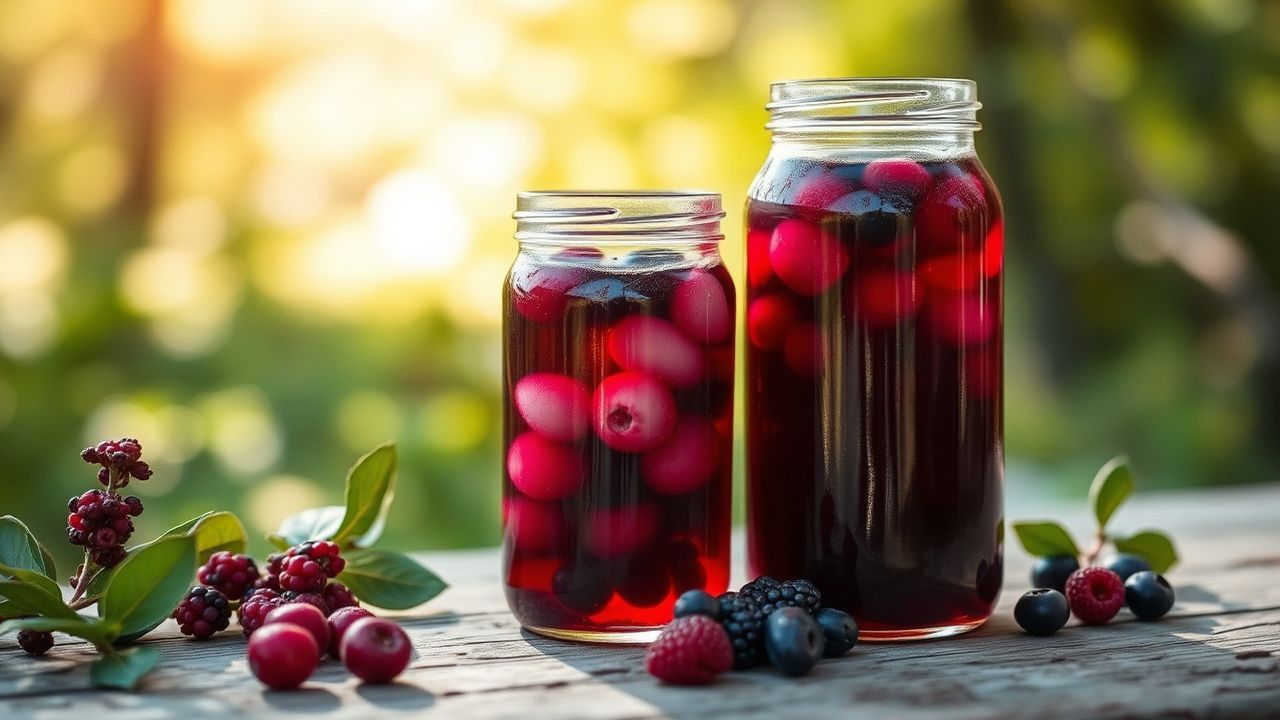
Berry Cordial captures ripe fruit aroma into a spiced, concentrated syrup you can use for drinks and desserts year-round. This guide walks you through measured steps so your berry cordial stays bright, shelf-stable when possible, and true to the fruit.
- At a glance: turn 3 cups of mixed berries into about 4 cups of finished cordial.
- Infuse 48 hours: room-temperature steeping yields the fullest aroma for a berry cordial.
- Storage: refrigerate in sterilized bottles up to two weeks, or add spirit to extend shelf life.
- Yield: roughly eight ½-cup servings per batch.
Prep and Cook Time for Berry Cordial
Plan for a short hands-on session and a longer passive infusion. The method trades high heat for slow extraction to preserve volatile berry aromas in your berry cordial.
The timeline below gives quick action steps and optional finish techniques. Allow 48 hours for infusion and optionally warm the strained cordial briefly to lift spice notes before bottling.
- Preparation: 15 minutes
- Infusion: 48 hours (plus optional 10 minutes warming)
- Total Time: ~2 days for full flavor development
Yield for Berry Cordial
This recipe yields approximately 4 cups of cordial, enough for cocktails, spritzers, and dessert drizzles. Adjust proportions linearly to scale up or down.
For long-term storage, consider bottling small jars to reduce oxidation and waste. When adding alcohol for preservation, calculate final ABV to meet your storage goals.
Difficulty Level for Berry Cordial
The process rates as easy-to-medium and fits most home kitchens. Required tools are basic: saucepan, glass jar, fine sieve or cheesecloth, and sterilized bottles.
Experience with safe foraging or reliable produce sourcing improves final quality. If unsure, use frozen berries from a trusted brand to keep flavor consistent.
Ingredients for Berry Cordial
Use ripe berries for vivid aroma and balanced acidity. Frozen berries work well because freezing ruptures cell walls and aids juice release.
Adjust sweetener and spices to taste; different sweeteners shift character. Below is a reliable baseline for a balanced berry cordial.
- 3 cups mixed berries (blackberries, blueberries, raspberries, elderberries)
- 1 ½ cups water
- 1 cup sweetener (honey, maple syrup, or raw cane sugar)
- 1 cinnamon stick
- 4 whole cloves
- 1 star anise
- 1 tablespoon freshly squeezed lemon juice (adjust to taste)
- Optional: ½ teaspoon vanilla extract or a few fresh mint leaves for infusion
Instructions for Berry Cordial
Follow a low-heat syrup method to dissolve the sweetener, then switch to cold infusion to retain aromatic top notes. This hybrid method uses gentle heat only to make a stable syrup base for your berry cordial.
Work in a clean glass jar and strain carefully to remove seeds and spice residues. Sterilize bottles if you plan to store beyond a few days.
- Gather and rinse berries under cold water, removing stems and debris carefully.
- Mash the berries lightly in a large, clean jar or bowl to release juice while keeping some texture.
- Warm water and sweetener in a saucepan over low heat, stirring until dissolved. Avoid boiling to keep fruit brightness.
- Pour warm syrup over the mashed berries. Add spices and lemon; stir gently to combine.
- Seal the container with a tight lid or cover with cloth and secure with a band.
- Infuse at room temperature for 48 hours, stirring every 12 hours to refresh contact between fruit and syrup.
- Strain through a fine sieve or cheesecloth into a clean bottle, pressing lightly to extract juice while leaving seeds behind.
- Optional heating: warm the strained cordial gently for 10 minutes to clarify and amplify spice aroma; cool before bottling.
- Seal and refrigerate. Keep chilled and use within two weeks for peak flavor; add spirit to extend shelf life if desired.
Chef’s Notes: Tips for Berry Cordial Success
Selecting berries: pick ripe, unblemished fruit for balanced sweet-tart flavor. When foraging, be certain of identification and avoid contaminated sites.
Experiment with spice variations such as cardamom or fresh ginger in small amounts. Small adjustments change complexity and mouthfeel without masking the fruit.
- Sweetener choices: honey lends floral notes; maple adds earthiness; raw sugar gives neutral sweetness.
- Make-ahead: let the cordial rest a day after straining so flavors harmonize further.
- If too tart, add sweetener gradually; if too sweet, increase acidity with lemon juice.
Adjust spice timing: adding whole spices at the start yields deeper spice integration, while a late addition preserves brighter spice notes. Track timings and results for repeatability.
Serving Suggestions for Berry Cordial
Serve chilled over ice for a refreshing non-alcoholic spritzer. Mix one part cordial with three parts sparkling water for a balanced spritz.
Use the cordial as a cocktail mixer, dessert drizzle over ice cream, or a pancake topper. Reduce slightly to create a glaze for roasted fruit or cakes.
Safety, Storage and Preservation for Berry Cordial
Store cordial in sterilized glass bottles and refrigerate immediately after straining. Without added spirit, expect peak quality for about two weeks under refrigeration.
To extend shelf life to months, add measured neutral spirit to reach an alcohol concentration that inhibits microbial growth. Calculate final ABV to meet preservation goals.
For technical context on preservation and how alcohol acts as a preservative in liqueurs, review background material on preservation science and beverage stabilization.
Variations and Flavor Pairings for Berry Cordial
Try single-variety cordials such as pure blackberry or blueberry to highlight specific fruit character. Alternatively, blend berries to achieve layered acidity and color depth.
Pair with dairy desserts, sparkling wine, herbal teas, or use in vinaigrettes when reduced. Spices like star anise and cinnamon pair well with dark berries while lemon and mint brighten red berries.
Foraging and Sourcing Notes for Berry Cordial
If you forage, follow established guides and local rules. Accurate plant identification and avoidance of polluted sites protect your batch and your health.
If you prefer purchased fruit, choose the freshest seasonal berries or frozen products packaged without added sugar. Frozen berries typically retain flavor well for cordial making.
Local regulations and plant safety are covered in detail on reputable resources such as foraging guidelines and general berry biology references. For preservation context, consult food preservation and beverage-specific notes in liqueur.
Best Practices and Troubleshooting for Berry Cordial
Clarity: warm the strained liquid gently and allow fines to settle, then filter through fine paper. Cold settling overnight also clarifies without heat.
Oxidation: minimize headspace in bottles and refrigerate. For long storage, raise ABV or use pasteurization techniques that match your chosen shelf-life strategy.
Fermentation risk: wild yeasts on fruit can cause slow fermentation if left at room temperature. Prompt refrigeration and clean bottling reduce this risk unless fermentation is intended.
Internal Resources and Further Reading
For recipes and related guides on this site, see our berry cordial collection and cordial recipes. These internal pages provide batch notes and user-tested variations to accelerate your learning.
Berry cordial tag and cordial recipes offer related recipes and reader comments with practical adjustments.
FAQ
Q: Can I use frozen berries for berry cordial?
A: Yes. Frozen berries work very well. Freezing ruptures cell walls, which aids juice release and shortens mash time. Thaw partially before mashing to avoid excess dilution.
A: If using frozen, taste the syrup after infusion and adjust sweetener because frozen fruit can vary in perceived acidity.
Q: How do I clarify berry cordial?
A: Warm the strained liquid gently and allow fine particulates to settle, then decant or filter through a fine paper filter or coffee filter. Cold settling overnight can also improve clarity.
A: For ultra-clear results, combine multiple filtration steps: sieve, cheesecloth, and then a coffee filter for a polished finish.
Q: Will berry cordial ferment if left out?
A: Yes, wild yeasts can slowly ferment sugars into alcohol at room temperature. Refrigeration and prompt bottling reduce this risk unless fermentation is intentional.
A: If you want a stable, non-fermented cordial, keep refrigerated and consume within two weeks or add sufficient spirit to reach preservation ABV levels.
Q: How much lemon juice should I add to a berry cordial?
A: Start with 1 tablespoon per batch and adjust after tasting. Acidity balances sweetness and helps stabilize color and freshness in the cordial.
A: If you plan to store for longer, slightly higher acidity improves microbial stability and flavor longevity when balanced with sweetener.
Q: What equipment produces the cleanest finish for a berry cordial?
A: Use a fine mesh sieve lined with cheesecloth or a coffee filter for the clearest finish. Sterilized glass bottles with tight closures preserve aroma and prevent contamination.
A: A gentle warming step before final filtration helps some fines settle, making the subsequent filtration faster and more effective.
See also: Berry Cordial collection
Recommended Reading:
- 10 Expert Steps to Harvest to Jar: Perfect Wild Berry Jam
- 8 Essential Wild Grapes Foraging Tips: Expert Guide
- 7 Easy Steps to Craft Sweet Rose Hip Syrup