
Silky 3-Ingredient Maple Butter with Sea Salt
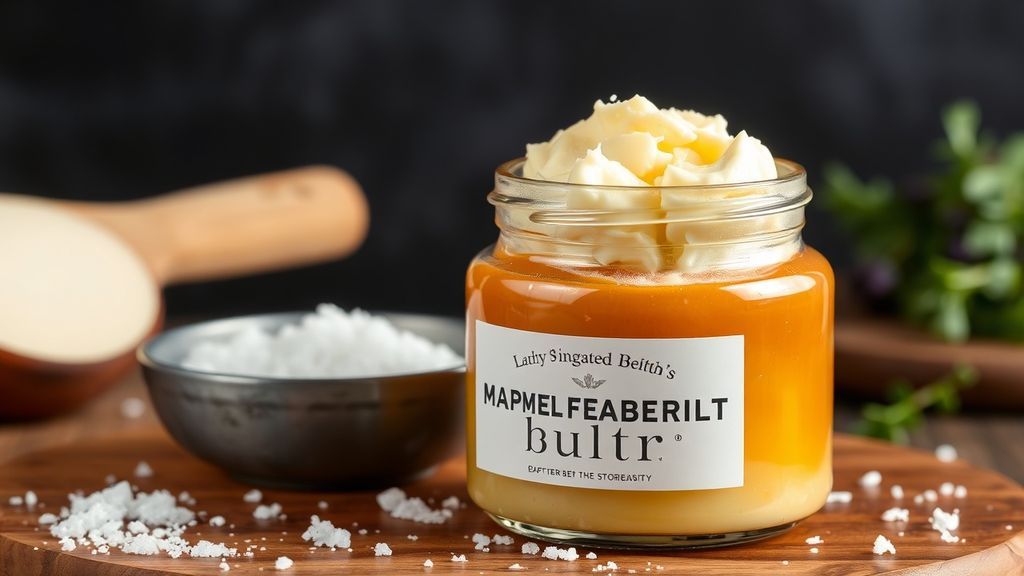
Maple butter is a small compound butter that delivers a luxury mouthfeel from a minimal ingredient list. A short maple reduction, strict temperature control, and precise salting produce a glossy, stable spread that elevates both sweet and savory dishes.
- What Maple Butter Is (And Why This Version Tastes Expensive)
- Ingredients for 3-Ingredient Maple Butter (Metric + Imperial)
- How to Make Maple Butter (Step-by-Step Method)
- Chef Notes: Technique Fixes for Common Maple Butter Problems
- Serving Ideas: Where Maple Butter Shines
- Storage, Shelf Life, and Food Safety
- Nutritional Information (Per Serving)
- Expert Pro Tips for Restaurant-Quality Maple Butter
- Where to Add Internal Links (For Strong Site Architecture)
- FAQ
- Small moves matter: a brief reduction and cool-but-pliable butter make the emulsion.
- Salt sharpens, not just sweetens—use fine sea salt inside and flaky salt to finish.
- Texture control: whip for air, food-processor briefly for sheen.
What Maple Butter Is (And Why This Version Tastes Expensive)
Maple butter in this recipe is a dairy compound butter made by blending unsalted butter with reduced pure maple syrup and finishing salt. The goal: keep butter structure and mouthfeel while concentrating maple aroma so a little spread reads like a crafted condiment.
The two technical points that determine success are sugar concentration and the oil-water emulsion. Reducing syrup concentrates sugars and aromatics; careful tempering and slow addition create a stable emulsion rather than a separated, greasy spread. For background on emulsion science see emulsion.
Maple Butter vs. Maple Syrup Butter vs. Maple Cream
Terminology varies by region. This recipe produces a compound butter: dairy butter plus reduced maple and salt, ideal for spreading or finishing proteins.
Contrast that with maple cream (a crystalized, dairy-free maple spread) and looser syrup-butters that rely on whipped syrup blends. Understanding those differences helps you pick the right texture for the plate.
Ingredients for 3-Ingredient Maple Butter (Metric + Imperial)
This recipe uses three focused components: butter for structure and mouthfeel, pure maple syrup for aromatic sweetness, and fine sea salt for balance. Use 100% maple syrup—industrial pancake syrups with corn syrup behave differently when reduced.
Metric and imperial measures below yield roughly a small jar of about 12 tablespoons (12 servings at 1 tablespoon each). Substitute only within the guidance on texture control to preserve emulsion stability.
- Unsalted butter: 113 g (1/2 cup, 1 stick), softened to cool room temperature
- Pure maple syrup (100%): 80 g (1/4 cup + 1 tbsp / 75 ml), Grade A Amber or Dark
- Fine sea salt: 2 g (about 1/3 tsp), plus flaky salt to finish (optional)
After the warning, chill the mixing bowl briefly if your kitchen is warm. Cooling the bowl gives you margin when you add warm syrup to whipped butter and helps protect the emulsion.
How to Make Maple Butter (Step-by-Step Method)
The process is short: reduce syrup, cool it to warm, whip butter, then slowly emulsify the syrup into the butter. Pacing and temperature control create a stable, glossy spread rather than a greasy or weeping one.
Follow the sequence and timing closely. This prevents common problems such as separation, oversweetness, or a brittle texture after chilling.
Step 1: Reduce the Maple Syrup
Pour maple syrup into a small saucepan and bring to a gentle simmer over medium-low heat. Reduce for 3–5 minutes until it slightly thickens and coats the back of a spoon.
Remove from heat and cool 8–10 minutes until warm but not hot; warm syrup blends more easily, but hot syrup will melt softened butter and can break the emulsion.
Step 2: Whip the Butter Until Light
Place softened butter in a bowl and whip on medium-high for 1–2 minutes. The butter should become paler, lighter, and slightly airy; this trapped air improves spreadability straight from the refrigerator.
Whipping also builds structural foam in the butter that helps suspend the concentrated syrup. Do not overwhip into a greasy heat—the texture should be light, not oily.
Step 3: Stream in Maple, Then Salt
With the mixer running on medium, drizzle the warm reduced maple syrup in a thin steady stream. Add slowly so the liquids emulsify with fat rather than separate into streaks or pools.
Mix briefly after the syrup is incorporated, then add fine sea salt. Taste and adjust in tiny increments if needed. A final scrape of the bowl ensures no pockets of syrup remain.
For a professional finish, transfer the mixture to a small food processor and pulse briefly; that micro-blend tightens the emulsion and creates a refined sheen without adding temperature or extra fat.
Step 4: Chill for the Perfect Spread
Spoon the maple butter into a jar or ramekin and chill 30–45 minutes to firm. Stir once after chilling to break any surface tension and achieve an even, spreadable texture.
Finish with a light pinch of flaky salt at service for contrast and a delicate crunch that highlights the maple aromatics.
Chef Notes: Technique Fixes for Common Maple Butter Problems
Temperature mismatch causes most failures: too-warm butter, too-hot syrup, or syrup added too quickly will split the emulsion. Re-emulsify by chilling and re-whipping when needed.
If the butter splits, chill the bowl for 10 minutes, then re-whip. If it remains loose, add 1–2 tablespoons (15–30 g) of cooler softened butter and whip again to restore the fat-to-liquid ratio.
Too Sweet?
Salt is the first correction. Add a small pinch more fine sea salt and taste. For future batches, choose a darker maple syrup to add tannic toasted notes that read less like candy.
On the plate, pair the butter with bitter or roasted components—dark rye, charred vegetables, or coffee-rubbed pork—to balance sweetness and amplify complexity.
Too Firm from the Fridge?
Higher-fat European-style butters set firmer. Let the jar sit at room temperature 10–15 minutes before serving, or keep a small service jar at cool room temperature for predictable spreadability during service.
Compound butters freeze well; form a log on parchment, freeze up to 3 months, thaw overnight in the refrigerator, and stir briefly before use.
Serving Ideas: Where Maple Butter Shines
Maple butter melts into hot foods like a quick finishing glaze. The sea salt creates a sweet-savory bridge that expands uses beyond breakfast into roasted vegetables and finished proteins.
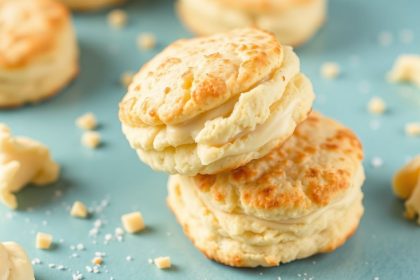
Use it on warm biscuits, cornbread, or banana bread. It melts over waffles and pancakes without pooling like syrup and adds aromatic depth to oatmeal with toasted nuts for texture.
- Breakfast: biscuits, muffins, pancakes and waffles.
- Savory: a pat on roasted carrots, sweet potatoes, or winter squash adds glaze and seasoning.
- Protein finish: spoon onto pork chops or roasted chicken as a finishing butter instead of a separate sauce.
Storage, Shelf Life, and Food Safety
Store maple butter in an airtight jar in the refrigerator for best texture and flavor; expect top quality for 10–14 days. Butter absorbs odors, so seal tightly to avoid flavor transfer.
For longer storage, form a log on parchment and freeze up to 3 months. Thaw overnight in the refrigerator and stir once to refresh the texture before serving.
Nutritional Information (Per Serving)
Estimates vary by butter and syrup brand. This table assumes a 1-tablespoon serving (about 14 g) and standard products. Adjust values based on the actual brands you use.
- Calories: ~90 kcal
- Total fat: ~8 g; Saturated fat: ~5 g
- Carbohydrates: ~4 g; Sugars: ~4 g
- Protein: ~0 g; Sodium: ~55–75 mg (varies by salt and butter)
Expert Pro Tips for Restaurant-Quality Maple Butter
Three variables determine a professional result: aroma (controlled by reduction time), balance (salt layered inside and as a finish), and mouthfeel (butter temperature and mixing technique). Control these to repeat results consistently.
Adjust texture intentionally: whip longer and serve slightly warmer for an airy spread; mix until smooth and chill longer for a denser, truffle-butter feel. Use a brief food-processor finish for the smoothest sheen.
Where to Add Internal Links (For Strong Site Architecture)
Add internal links where they naturally guide the reader to complementary content: a pancakes recipe in breakfast notes, or a roasted-vegetable page from savory pairings. Use descriptive anchor text that matches the target page.
Examples of good anchors: link the word “pancakes and waffles” from breakfast notes, or “roasted carrots” from savory ideas. Those anchors improve dwell time and support ad placement performance.
FAQ
Can I make Maple Butter without reducing the maple syrup?
Yes. Skipping reduction yields a looser spread that may weep after chilling. If you skip reduction, add syrup more slowly, chill longer, and stir once before serving to improve stability.
Be prepared for a softer final texture and adjust serving temperature to keep it spreadable.
Why did my Maple Butter separate after chilling?
Separation usually means the syrup was too hot, poured too fast, or the butter itself was too warm. Chill the mixing bowl for 10 minutes and re-whip to re-emulsify the mixture.
If it remains loose, add a small amount of cooler softened butter and whip again until the texture re-coheres.
What’s the best maple syrup grade for Maple Butter?
Grade A Amber offers a balanced maple profile suited to baked goods and toast. Grade A Dark provides deeper toasted notes and added complexity that pairs well with savory dishes.
Choose based on whether you want brighter or more robust maple notes. For more on syrup grading see maple syrup.
How long does Maple Butter last in the fridge?
Stored in an airtight jar, maple butter keeps best for 10–14 days. Freeze for longer storage—form a log and freeze up to 3 months; thaw in the fridge overnight and stir once before use.
Label frozen logs with date and brief notes about the syrup grade used so you can match flavor expectations at service.
Can I use salted butter and skip the sea salt?
Yes, but salted butter varies by brand, which makes salt control less accurate. If you use salted butter, leave out added salt initially, taste after mixing, and add tiny pinches of fine sea salt only if necessary.
When precise seasoning matters (restaurant service or gifting), opt for unsalted butter and measure salt for consistency.
For technical background on dairy fat and texture, consult butter. For a short primer on crystalline and syrup chemistry that affects final texture, see maple sugar.
See also: Maple Butter