
One-Pan Skillet Lasagna: Quick, Savory Comfort Meal Guide
There’s something undeniably comforting about a warm, cheesy lasagna that comes together in a single skillet. This method delivers the layers and rich texture of classic lasagna while cutting cleanup and cook time.
- Ready in 45 minutes: fast prep and stovetop cooking.
- Serves 4–6: practical for weeknight dinners and small gatherings.
- Minimal cleanup: one skillet replaces multiple dishes.
- Flexible: easy to adapt to vegetarian, gluten-free, or lower-fat options.
One-Pan Skillet Lasagna Essentials: Selecting the Perfect Ingredients for Maximum Flavor
One-pan skillet lasagna concentrates flavor by cooking sauce, noodles, and cheese together in one vessel. Use ingredients that release clear, reliable flavors so the final dish tastes balanced and robust.
Start with a quality tomato base and balanced dairy. For context on the pasta tradition, see lasagna history and structure, and consider whole-ingredient swaps when necessary.
Ingredient Choices and Why They Matter
Choose a crushed or whole-canned tomato with natural sweetness and acidity for a steady sauce base. If you prefer to compare varieties, the general tomato overview can help: tomato varieties and uses.
For creamy layers, traditional Italian cheeses work best; learn more about ricotta and texture contributions at ricotta. Use a mix of cheeses for melt, stretch, and savory depth.
Prep and Cook Time
- Preparation: 15 minutes
- Cooking: 30 minutes
- Total Time: 45 minutes
Yield
This skillet recipe serves 4 to 6 comfortably. Plan sides or salad if feeding the upper end of that range.
Difficulty Level
Easy to Medium: This technique suits cooks familiar with stovetop simmering and layering. It scales well once you master the liquid-to-noodle ratio.
Ingredients
Below is a reliable ingredient list that supports predictable results. Quantities match a 10–12-inch heavy skillet for even heating and consistent noodle softening.
- 1 tablespoon olive oil
- 1 small yellow onion, finely chopped
- 3 cloves garlic, minced
- 1/2 pound ground beef (lean)
- 1/2 pound ground turkey
- 1 teaspoon dried oregano
- 1 teaspoon dried basil
- 1/4 teaspoon crushed red pepper flakes (optional)
- 1 (28-ounce) can crushed tomatoes
- 1 cup low-sodium chicken broth
- 6 no-boil lasagna noodles, broken into thirds
- 1 1/2 cups ricotta cheese
- 2 cups shredded mozzarella cheese, divided
- 1/2 cup grated Parmesan cheese
- Salt and freshly ground black pepper, to taste
- Fresh basil leaves (for garnish)
Instructions
Follow a clear sequence: build the sauce, layer noodles, add cheeses, then finish covered to let steam and melt. Maintain medium heat during sautéing and a gentle low simmer for the final meld.
Use a heavy-bottomed skillet or a well-seasoned frying pan to prevent hot spots. Even heat distribution helps noodles soften uniformly without scorching the base.
- Heat olive oil in a large deep skillet over medium heat. Add chopped onion and sauté until translucent, about 4 minutes.
- Add the minced garlic and cook for 30 seconds until fragrant, taking care not to burn the garlic.
- Add ground beef and ground turkey, breaking up the meat and cook until browned, about 7–8 minutes. Drain excess fat if necessary.
- Season the meat with oregano, basil, red pepper flakes, salt, and pepper. Toast dried herbs for about 1 minute to release aroma.
- Pour in crushed tomatoes and chicken broth, then bring to a gentle simmer. Cook uncovered for 5 minutes to concentrate flavors slightly.
- Arrange broken no-boil noodles in an even layer over the sauce, pressing them in so they partially submerge and absorb liquid.
- Dollop ricotta across the noodles, then sprinkle half the mozzarella and the Parmesan evenly on top.
- Cover the skillet and reduce heat to low. Cook gently for 15 minutes to allow noodles to soften and cheeses to melt.
- Uncover, sprinkle remaining mozzarella, and cook uncovered for an additional 5 minutes until the cheese bubbles and browns in spots.
- Remove from heat and rest 5 minutes before serving; resting lets the layers set and improves sliceability.
[WARNING]Pro-Caution: Avoid high heat when the noodles are simmering. Excessive heat evaporates too much liquid and can scorch the noodles, leaving the base dry and the top undercooked.
If you must reheat leftovers, use a low flame with a tight lid and add a splash of water or broth. This refreshes moisture and prevents the cheese from becoming rubbery.
Chef’s Notes: Tips for Success
Simple technique adjustments yield big texture improvements. Stir ricotta with a pinch of salt and pepper before dolloping to add seasoning and ensure smoothness in every bite.
When layering, slightly overlap broken noodles so they knit together as they soften. This avoids large gaps and creates that comforting lasagna mouthfeel.
[BELOW IS AN EXPERT CALL OUT]
[TIP]Expert Insight: For consistent melting, use part-milk, part-high-moisture mozzarella. The higher-moisture cheese gives stretch while lower-moisture shreds add structure and browning. Adding a tablespoon of cream or beaten egg to ricotta will yield silkier ricotta layers.
- For a vegetarian build, replace meat with sautéed mushrooms and lentils for umami and bite.
- To boost spice, stir harissa or a quality chili paste into the tomato base.
- Use a heavy skillet to distribute heat evenly and lower sticking risk.
- Assemble through step 8 for make-ahead: refrigerate up to 24 hours, then finish the final melt before serving.
Serving Suggestions
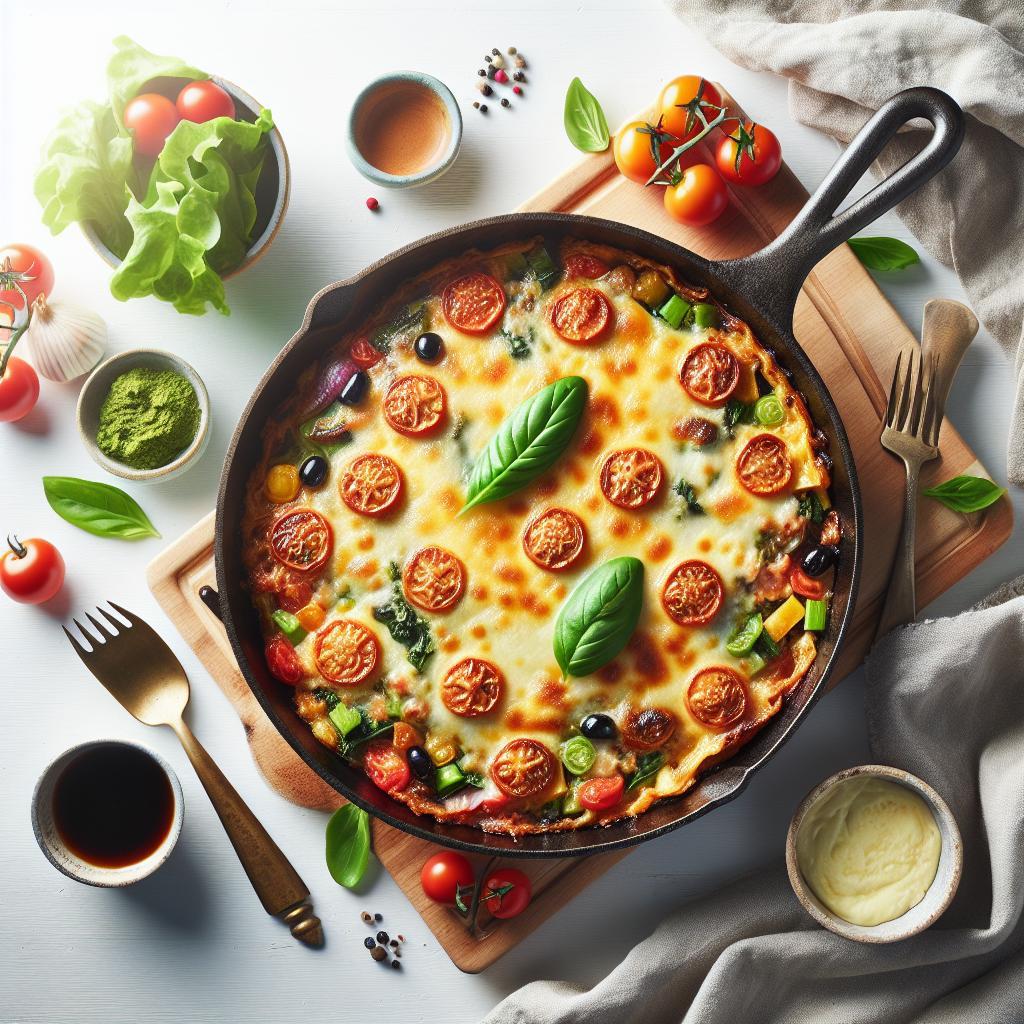
Serve the skillet directly for rustic visual appeal and to keep the dish warm at the table. Garnish with torn fresh basil and a light dusting of Parmesan for aroma and contrast.
Complement the lasagna with a crisp salad or simple steamed greens to balance richness. A wedge of lemon in the salad dressing brightens the palate and contrasts the cheese.
Nutrition Snapshot
Per-serving nutrition varies with exact ingredients and portion size. The table below offers a typical estimate for home-cooked versions using the listed ingredients.
| Nutrient | Per Serving |
|---|---|
| Calories | 450 kcal |
| Protein | 32 g |
| Carbohydrates | 30 g |
| Fat | 18 g |
Q&A
This short Q&A clarifies common technique points so you can replicate success consistently. Answers are focused and actionable for busy cooks.
Refer to the steps and notes above when troubleshooting; minor adjustments to liquid and heat typically resolve most issues.
Q1: What makes one-pan skillet lasagna different from traditional lasagna?
A1: The skillet method cooks sauce, noodles, and cheese together on the stovetop, speeding up the process and reducing cleanup. It uses direct simmering rather than oven baking to soften the noodles.
Q2: Can I use fresh pasta instead of dry no-boil noodles?
A2: Yes. Fresh pasta softens faster and absorbs sauce differently, so reduce final covered cook time slightly to prevent overcooking.
Q3: How can I prevent the lasagna from sticking?
A3: Use a heavy, well-seasoned skillet and a small amount of oil. Monitor heat closely and add short bursts of low heat if the base looks like it’s browning too quickly.
FAQ
What is the best skillet size for this recipe?
Use a 10–12-inch deep skillet to allow room for layering and gentle simmering. The size gives even heat and space for noodles to soften without overcrowding.
Can I make this gluten-free?
Yes. Substitute gluten-free no-boil pasta or thinly sliced vegetables such as zucchini or eggplant. Adjust liquid and cooking time since vegetable layers release extra moisture.
How do I reheat leftovers without drying them out?
Reheat in a covered skillet over low heat with a splash of broth or water. The steam refreshes the pasta and melts cheese gently.
Can this recipe be frozen?
Assemble through step 7, cool completely, then freeze in an airtight container. Thaw overnight in the refrigerator and finish the final melt stage before serving for best texture.
What cheese mix produces the best melt?
A blend of ricotta for cream, high-moisture mozzarella for stretch, and Parmesan for savory bite creates the ideal texture and flavor balance.

Elevate weeknight dinners with reliable technique and modest prep. Apply the liquid, heat, and layering guidance above to get consistent, savory results in a single pan.
See also: Skillet Lasagna