
Whip Up Flavor Fast: Crafting Quick Meals from Scratch
Speed and taste can coexist. This guide shows practical methods to make satisfying, from-scratch meals in about 30 minutes without sacrificing depth of flavor.
- Use pantry anchors like canned tomatoes and beans to shorten hands-on time.
- Layer flavor quickly with toasting, searing, and acid finishes.
- Work smarter by prepping components ahead and using single-pan techniques.
- Plan swaps so a short shopping list turns into many quick meals.
Speedy Techniques for Maximizing Taste Without the Wait
Start by prioritizing high-impact, low-effort steps: toast spices, brown aromatics, and finish with bright acids. These steps create immediate flavor lift for quick meals.
Heat drives browning and concentration. Use the Maillard reaction strategically in a hot pan to develop savory notes quickly. For a concise primer on the chemical browning involved, see Maillard reaction.
High-Impact Shortcuts
Toast whole spices dry in a skillet for 15–30 seconds before crushing. That releases essential oils and amplifies aroma for quick meals without extra ingredients.
Sear aromatics on a hot pan edge to build fond, then deglaze to pull concentrated bits into sauces. This step adds depth that mimics longer cooking.
Timing and Heat Control
Use medium-high heat to brown, then drop to medium-low to finish. Controlling heat prevents bitterness while trapping the savory compounds that make quick meals satisfying.
When you deglaze, add a small splash of liquid and scrape the pan. That single gesture unlocks concentrated flavor that spreads through a sauce quickly.
Practical Shortcuts that Preserve Texture and Taste
One-pan recipes reduce cleanup and preserve toasted notes. They also let you move quickly between steps, which suits busy evenings that need quick meals.
Swap canned or par-cooked staples for long braises. Use canned legumes, jarred tomatoes, or par-cooked grains to produce equivalent mouthfeel in minutes.
Pantry Anchors and Smart Swaps
Stock a compact set of reliable items to unlock many quick meals from a few ingredients. A focused pantry reduces decision friction and speeds execution.
For a snapshot of pantry basics and organization ideas, consult a practical resource on the pantry. Keep those anchors visible and replenished.
One-Pan Workflow
Start with aromatics, add spices, then protein or legumes, and finish with an acid and herbs. This order builds layers while keeping cook time low for quick meals.
Use a heavy skillet to hold heat. A consistent surface produces reliable browning and makes timing repeatable across quick meals.
Prep and Timing: How to Keep the Clock on Your Side
Set realistic windows: aim for prep 10 minutes and cook 20 minutes for most quick meals. Short, strict windows keep focus and reduce wasted time.
Use mise en place to stage ingredients. When everything is measured and at hand, you move confidently from step to step and avoid last-minute hunting.
Multitask Without Stress
Start grains or pasta while you sweat onions. That parallel work shaves time and prevents cold plates while you finish components for quick meals.
Timers and small prep boards help sequence tasks. When each task has a short duration, you gain consistency and speed across multiple quick meals.
Batch Prep and Nightly Rotation
Make a larger sauce on weekend prep days and portion it for weekday use. Reheating gently with a splash of water restores texture for quick meals later in the week.
Pre-chop veg and store airtight. These ready components move a one-pan idea into dinner in minutes and broaden the number of quick meals you can pull off.
Ingredients and Method: Keep It Simple and Swap-Friendly
Keep a short, flexible ingredient list that supports swaps. When recipes let you interchange beans, grains, or greens, you gain variety without extra shopping and more quick meals from the same staples.
Use quality olive oil, garlic, and an acid to finish. Small, consistent ingredients deliver predictable flavor foundations for quick meals.
Core Ingredients
2 tbsp olive oil gives fat to carry spice and aroma. Fat is a multiplier for flavor in quick meals.
1 medium onion, 3 cloves garlic form the aromatic base. Canned tomatoes and canned chickpeas add body and texture with no simmer time.
Flavor Building Blocks
Keep smoked paprika, dried oregano, and vinegar on hand. Toasted, these spices gain complexity and help produce deep notes in quick meals.
For plant-based umami boosts, add small amounts of miso or a splash of soy. Read more on taste categories at umami.
Step-by-Step Method (30-Minute Sauce)
Prep: 10 minutes | Cook: 20 minutes | Total: 30 minutes. Use this structure for reproducible quick meals.
Yield: Serves 4 hearty portions. Scale by volume or double for meal prep and fridge storage.
Step-by-Step Instructions
- Heat oil in a large skillet over medium heat until shimmering. Add the chopped onion and sauté until translucent, about 5 minutes.
- Add garlic and cook for 1 minute, tossing to keep it from burning and to release aroma.
- Stir in tomatoes and chickpeas with smoked paprika and oregano. Mix and bring to a gentle simmer for quick meals that taste layered.
- Season and reduce heat to low and simmer for about 10 minutes so the sauce thickens and flavors meld.
- Adjust seasoning with salt, pepper, and a squeeze of lemon or vinegar to sharpen the final profile.
- Serve over rice or with bread and garnish with fresh basil for a herbal lift that brightens quick meals.
Tips for Success
Simple technique changes yield big improvements. Toast dried spices briefly before adding liquids to unlock essential oils for quick meals.
Taste early and often. Small adjustments—salt, acid, or fat—turn a good plate into a great one in seconds and keep quick meals tuned to your palate.
Use acid late in cooking to preserve brightness. A tiny splash of vinegar or a squeeze of lemon at the end lifts the whole dish and balances the base flavors of quick meals.
Serving Suggestions and Pairings
This sauce pairs with steamed rice or rustic bread to soak up flavor. Add a crisp green salad for contrast and texture when assembling quick meals.
For richness, finish with yogurt or a swirl of olive oil. For brightness, add lemon zest or a vinegar splash to balance the smoky paprika in many quick meals.
Nutritional Snapshot
Combine plant protein, complex carbs, and healthy fat for a balanced plate. This configuration supports satiety for quick meals without heavy preparation.
Approximate per-serving numbers help scale portions: about 280 kcal, 10 g protein, 40 g carbohydrates, 8 g fat in a typical serving of this recipe.
Why These Techniques Work
Layering taste using quick Maillard steps, concentrated canned ingredients, and late-stage acid produces perceived complexity. These steps compress long-cook effects into short windows for quick meals.
Understanding basic taste balance—salty, sweet, sour, bitter, and umami—lets you tweak dishes quickly and achieve satisfying results across many quick meals.
Science Applied to Speed
Browning produces aromatic compounds that read as depth. Concentrated canned ingredients reduce water while maintaining body, so you get roundness in the timeframe of quick meals.
Acids trigger higher perceived saltiness and freshness. A calibrated finish with acid makes quick meals taste brighter and more complex.
Make-Ahead and Batch Strategies
Batch-cook the sauce and refrigerate for up to 3 days or freeze in portions. Reheat gently with a splash of water to restore consistency for repeat quick meals.
Pre-chop vegetables and store airtight. When active cooking time shrinks, you increase the chance of keeping variety in weeknight quick meals and reduce decision fatigue.
Weekly Rotation Ideas
Rotate base sauces between tomato, curry, and olive-oil-herb to create multiple quick meals from a few cooked components. Each base supports different proteins and grains.
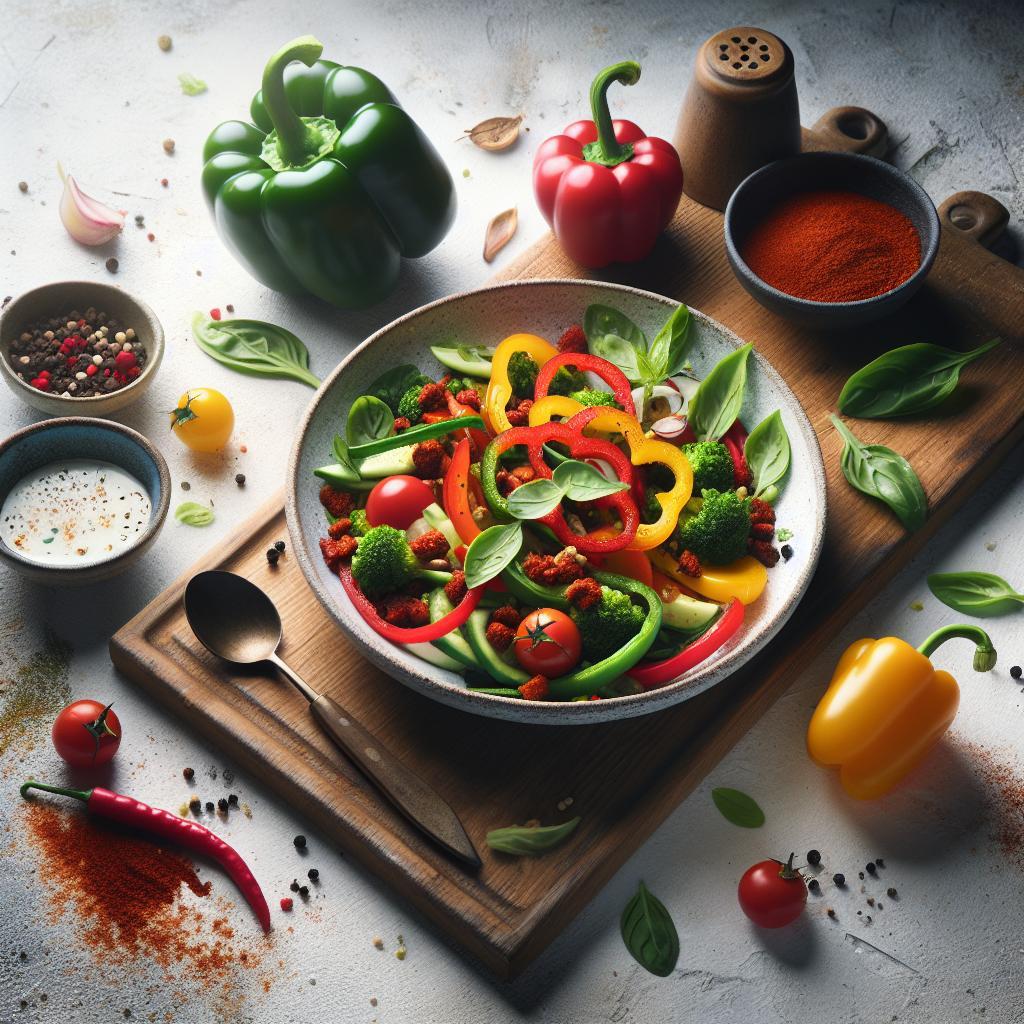
Use leftovers as fillings for flatbreads, stuffed peppers, or over grain bowls to stretch a single batch into several quick meals across the week.
FAQ
Q1: Why make meals from scratch if I’m short on time?
Homemade plates let you control ingredients and preservatives while often costing the same or less than takeout. With the techniques here, you can deliver fresh flavor and targeted nutrition in quick meals.
Q2: How can I speed up cooking without losing flavor?
Focus on high-impact steps: toast spices, sear aromatics, and finish with acid. Use canned or par-cooked components to shorten simmer times and maintain depth in quick meals.
Q3: What staples should I keep for fast, flavorful dishes?
Keep canned tomatoes, canned beans, quick grains, olive oil, garlic, onions, dried herbs, and vinegar. These staples form a flexible base for many quick meals.
Q4: Are simple ingredients capable of delivering complex flavor?
Yes. Complexity comes from technique and balance rather than exotic items. A pinch of chili, a squeeze of lemon, and toasted spices can transform basics into layered quick meals.
Q5: Any beginner-friendly recipes to try first?
Start with one-pan sauces using canned tomatoes and beans, stir-fries, and grain bowls. These approaches teach timing and flavor balance while offering many rapid, adaptable quick meals.
Chickpea background can help you understand texture and nutrition options for this plate.
For more recipe ideas and tags that group similar content, explore our curated internal resources: quick meals tag and a one-pan recipe collection at one-pan skillet recipes.
Final Thoughts
Fast from-scratch cooking depends on intention: choose high-impact techniques and flexible ingredients. Practiced execution turns speed into an asset and delivers many satisfying quick meals.
Use these methods to build a reliable weeknight repertoire that reduces reliance on shortcuts while increasing flavor. Keep experimenting and expand your quick meals toolkit.
Recommended Reading:
- 9 Essential Couscous Secrets for Perfect Texture
- 9 Irresistible Air Fryer Crispy Chickpeas
- 5 Chef Secrets to Perfect Silky Garlic Sauce for Beef