
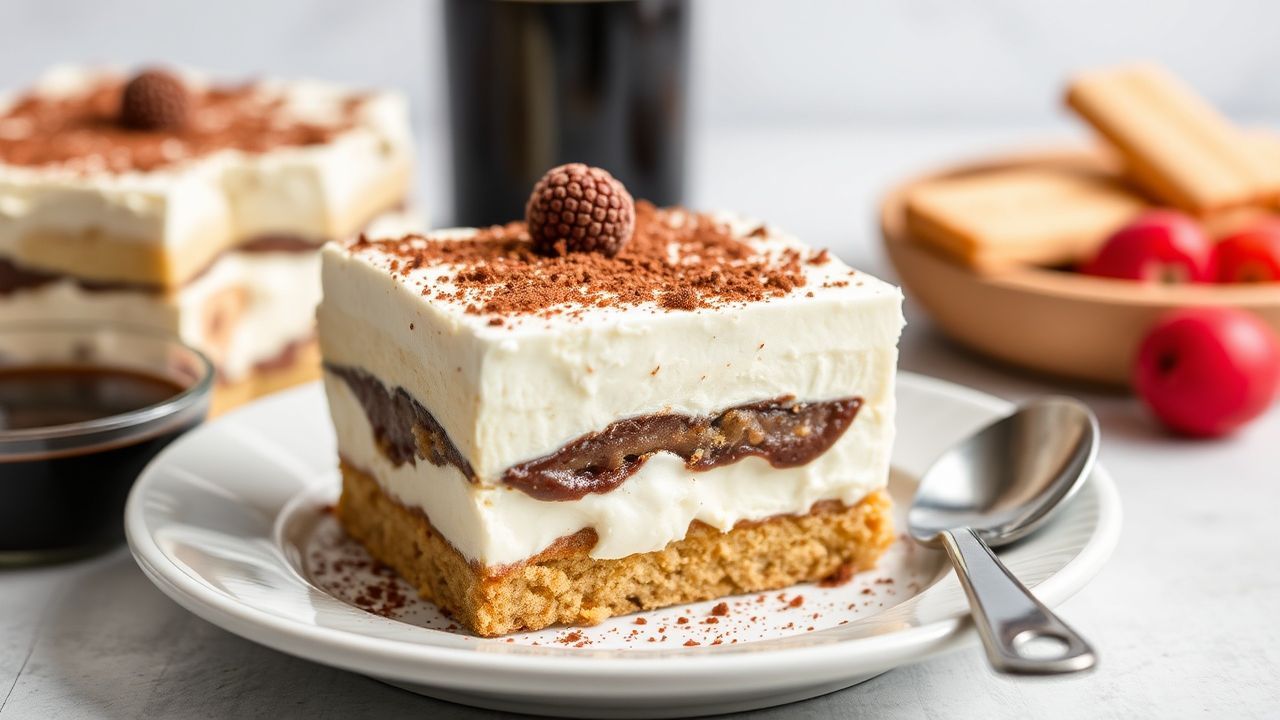

Whip Up Homemade Mascarpone Tiramisu balances silky cream, concentrated espresso, and crisp ladyfingers for a refined home dessert. Follow focused technique and timing to achieve a professional texture with fresh, homemade mascarpone.
- Silky mascarpone yields the signature mouthfeel.
- Quick espresso dips add coffee depth without sogginess.
- Overnight chilling firms layers and harmonizes flavor.
Prep and Cook Time
Active hands-on work takes about 20 minutes: whisking, folding, and brief soaking dominate the process. Then, you refrigerate to set the layers and let the flavors integrate.
Chill for at least 4 hours, but preferably overnight for best sliceability and mouthfeel. This approach fits dinner parties and make-ahead plans, and it reduces last-minute stress.
Yield
This recipe serves 6 to 8 people in a 9×9 pan or similar vessel. You can scale quantities linearly for larger batches while keeping technique identical.
For transport or gifts, portion into jars or glasses to preserve layers and simplify serving. Individual containers also speed chilling and make presentation effortless.
Difficulty Level
Label the method Medium: it requires controlled whisking and gentle folding rather than pastry-level precision. Focus on temperature and rhythm rather than complicated steps.
After one reliable attempt most cooks will reproduce this tiramisu consistently. Pay attention to the zabaglione stage and to cold equipment for smooth results.
Ingredients
Use fresh eggs, high-fat mascarpone, and strong espresso for classic balance. Higher fat content prevents graininess and supports a silky texture in the finished tiramisu.
Prefer traditional savoiardi-style ladyfingers for structure and bite. Learn about the classic biscuit style on savoiardi, and match that texture when you shop.
- 4 large egg yolks, room temperature
- 100 g (½ cup) granulated sugar
- 500 g (about 2 cups) mascarpone cheese, chilled
- 1 cup heavy cream, cold
- 2 cups strong brewed espresso, cooled
- 3 tbsp coffee liqueur (optional)
- 1 packet (about 24) ladyfinger biscuits (savoiardi)
- Unsweetened cocoa powder, for dusting
- Dark chocolate shavings (optional garnish)
Instructions
Begin by making a stable zabaglione: whisk egg yolks and sugar over a gentle bain-marie until the mixture reaches a pale, thick ribbon. Work continuously to avoid curdling and to build volume for the mascarpone base.
Remove from heat and cool slightly before folding in cheese. For a quick primer on mascarpone production and properties, consult mascarpone to understand how fat and moisture affect texture.
- Whisk egg yolks and sugar: Set a heatproof bowl over simmering water. Whisk until pale, thick, and ribbon-like, about 5–7 minutes. This creates the custard backbone for your tiramisu.
- Incorporate mascarpone gently: Fold chilled mascarpone into the cooled egg mixture until smooth. Use gentle strokes to retain air and to prevent the cream from breaking.
- Whip cream separately: Whip heavy cream to soft peaks in a cold bowl, then fold in three additions. This preserves structure and yields a light but sliceable filling.
- Prepare the coffee soak: Mix cooled espresso and optional liqueur in a shallow dish. Dip each ladyfinger briefly—about one second—to avoid mushy layers.
- Layer the dessert: Lay a base of soaked ladyfingers, spread half the mascarpone filling, then repeat for a second layer. Press gently to create contact without compressing the cream.
- Chill to set: Cover and refrigerate at least 4 hours, preferably overnight so the flavors meld and the cream firms uniformly.
- Finish before serving: Dust with unsweetened cocoa and shave dark chocolate just before serving to preserve textural contrast and appearance.
After chilling, cut with a hot knife for clean slices or spoon into jars for rustic serving. Proper cold time ensures cohesive layers and easy portioning of this tiramisu.
Chef’s Notes and Tips for Success
Choose chilled mascarpone with minimal stabilizers for the creamiest outcome. Overbeating the cheese causes graininess, so fold gently until smooth.
Keep bowls and cream cold, and fold whipped cream in three gentle additions to maintain aeration. These small steps deliver a stable filling that still looks and tastes light.
For dietary swaps, use thin sponge fingers or certified gluten-free savoiardi in place of traditional biscuits. Likewise, stabilized vegan creams can mimic texture while changing flavor slightly.
Serving Suggestions and Storage Hacks for Lasting Freshness
Present tiramisu in a clear dish to highlight attractive layers and encourage serving interest. Visual contrast increases perceived value and dining enjoyment.
Cover tightly to prevent fridge odors from affecting the dessert. For gifting, seal individual jars; they travel better and retain layer definition during transit.
Pair tiramisu with fresh berries or a small espresso shot to balance richness. For background on the dessert’s cultural context, read the tiramisu overview on tiramisu which traces origins and common variations.
Store leftovers refrigerated for up to 2 days; avoid freezing the assembled dessert since ice crystals will break the cream matrix on thawing and degrade quality.
Nutritional Information
Estimated nutrition varies by brand and portion size; the chart below provides approximate per-serving values for planning. Adjust ingredients to suit dietary needs and caloric targets.
Using lower-fat substitutes will reduce calories but can change texture. Maintain balance between fat content and structural integrity for the best tiramisu experience.
| Nutrient | Per Serving (approx.) |
|---|---|
| Calories | 420 kcal |
| Protein | 7 g |
| Carbohydrates | 30 g |
| Fat | 30 g |
Technique Notes: Coffee and Biscuit Handling
Use concentrated espresso shots rather than a diluted brew to deliver assertive coffee flavor. Avoid over-extraction, which creates harsh bitterness and masks the mascarpone’s creaminess.
Dip ladyfingers for about one second in cooled espresso to control absorption. Slow or prolonged soaking causes collapse and a soggy center that ruins texture in tiramisu.
For extraction basics and to refine shot parameters, consult the espresso article at espresso. Small changes in strength and timing alter the dessert’s balance significantly.
FAQ
Below are concise answers to common preparation and safety questions for quick reference while you plan and execute this tiramisu recipe.
What makes mascarpone tiramisu different from other layered desserts?
Mascarpone tiramisu combines mascarpone, coffee-soaked savoiardi, and a zabaglione-like egg base to create a unique balance of creamy, bitter, and sweet elements. That combination yields the classic mouthfeel and flavor profile.
Can I make mascarpone cheese at home?
Yes. Homemade mascarpone forms by heating heavy cream and adding a small acid, then cooling and straining. This technique produces fresh cheese with slightly different texture than commercial varieties.
How long should tiramisu chill before serving?
Chill at least 4 hours for a set texture, though overnight chilling gives optimal melding of flavors and improved sliceability. Plan ahead so the dessert is firm and harmonious.
Are there egg-free or vegan versions that still taste authentic?
Egg-free options use stabilized whipped cream or silken tofu, and vegan builds rely on plant-based mascarpone alternatives. These adaptations can approximate texture, but flavor will differ from traditional tiramisu.
How can I prevent the ladyfingers from becoming soggy?
Dip each ladyfinger very briefly—about one second—into cooled espresso and arrange with minimal pressure. Rapid absorption and gentle assembly preserve layers and prevent collapse.
Key Takeaways
Homemade mascarpone elevates freshness and texture in tiramisu. Gentle technique, cold equipment, and adequate chilling ensure professional results at home.
Focus on controlled zabaglione, brief biscuit soaking, and overnight rest for the best balance of structure and flavor. These steps produce an authentic, creamy tiramisu suitable for gatherings or gifting.
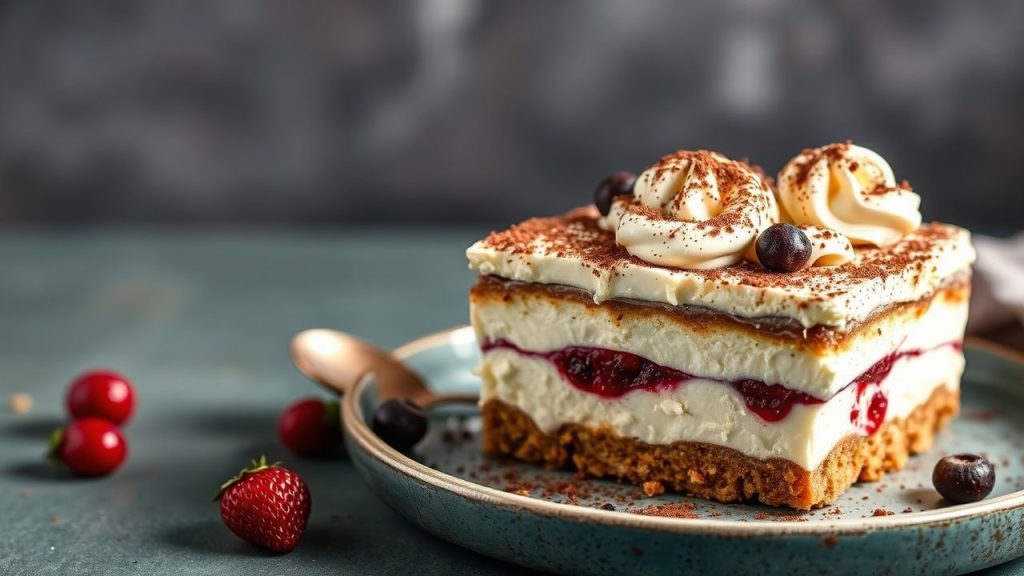
For additional resources and related recipes, explore our internal recipe hub at CookHarvest home and the tag page for similar dishes at mascarpone tiramisu.
Enjoy crafting this creamy classic; repeat the method to refine timing and texture until you achieve a reliably silky tiramisu each time.
Recommended Reading:
- Decadent Tiramisu Cheesecake: 7 Pro Tips
- 7 Expert Steps to Make Creamy Skim Mozzarella at Home
- 7 Pro Steps to Buttermilk Chicken Perfection