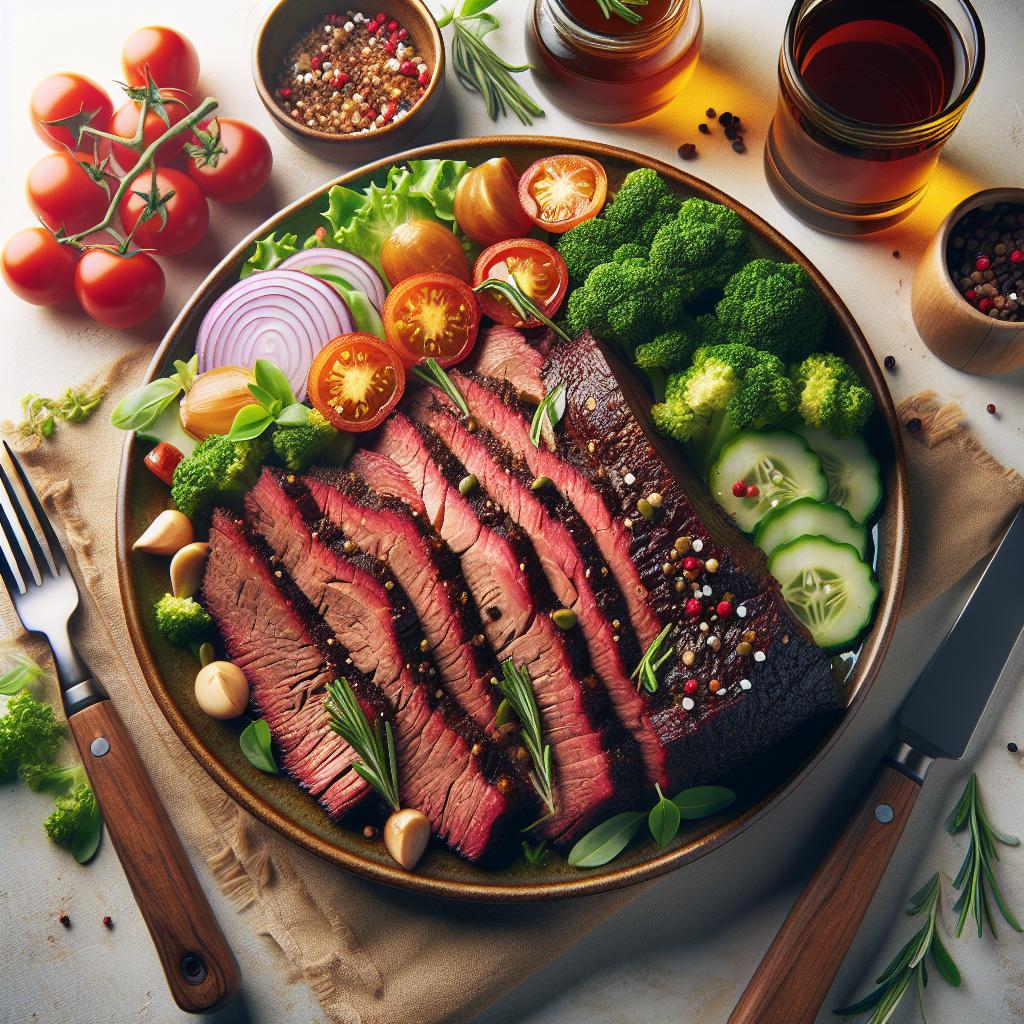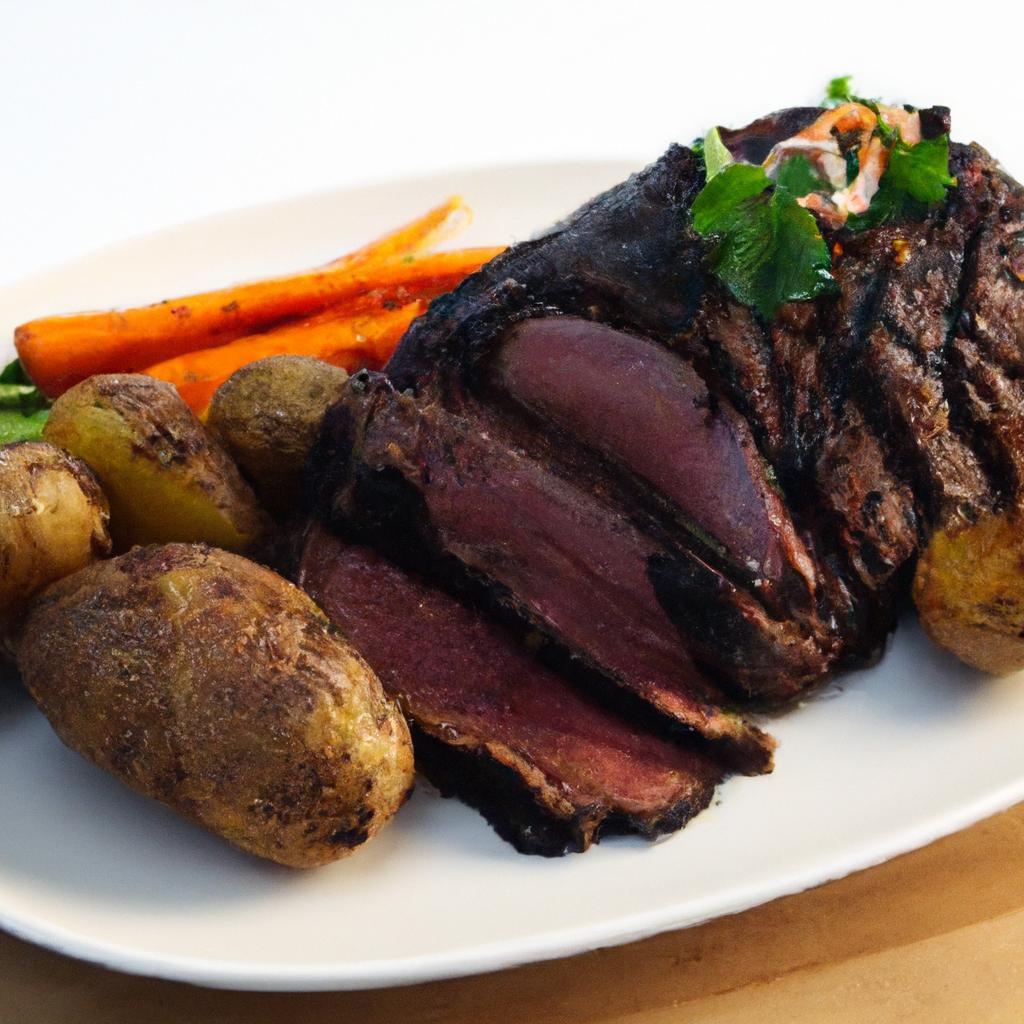

When it comes to the art of barbecue, few tools are as crucial-and as oft-overlooked-as the humble brisket knife. This isn’t just any blade; it’s your secret weapon for slicing tender, juicy brisket with precision and ease. Whether you’re a backyard pitmaster or an aspiring BBQ pro, mastering the right knife can transform your slicing game from rough and ragged to smooth and sizzling. In this article, we’ll unveil the must-know essentials of brisket knives, exploring what makes them unique, how to choose the perfect one, and tips to slice like a true BBQ aficionado. Get ready to sharpen your skills and carve your way to brisket brilliance!
Brisket knives unveiled: slice like a BBQ pro with the ideal tools that deliver unrivaled precision and smooth, effortless cuts. Mastering brisket slicing is an art form, and the right knife transcends ordinary kitchenware, transforming each slice into a showcase of BBQ craftsmanship. From the blade’s material to handle design, every component matters when it comes to durability, comfort, and precision-qualities that separate a novice from a true BBQ aficionado.
Prep and Cook Time
- Preparation: N/A (focus on slicing, no cooking needed)
- Cutting Time: Variable-depends on brisket size and slicer’s technique, typically 10-15 minutes
Yield
Perfectly sliced brisket for 6-8 servings, ideal for family gatherings or backyard BBQs.
Difficulty Level
Intermediate – Requires steady hand and familiarity with knife basics for perfect, uniform slices.
Ingredients Needed
- 1 high-quality brisket knife-choose based on blade and handle preferences
- 1 smoked or cooked brisket chilled for at least 30 minutes before slicing
- Cutting board-preferably wood or heavy-duty plastic with juice groove
- Towel or cloth-to stabilize the cutting surface
Choosing Your Brisket Knife: Understanding Blade Materials and Edge Types for Ultimate Durability
The backbone of every excellent brisket knife lies in its blade material. Stainless steel blades offer a reliable balance of rust resistance and ease of maintenance, while carbon steel blades are prized for razor-sharp edges and superior edge retention-though they require more care to prevent corrosion. Japanese steels such as VG-10 or Damascus steel blend resilience and sharpness elegantly, favored by BBQ experts for longevity and slicing finesse.
Edge types matter profoundly. A long, narrow blade with a slight curve enhances maneuverability and allows for precision slicing, gliding through the meat without shredding fibers. Look for a serrated edge only if you’re dealing with tougher, crusted brisket surfaces; otherwise, a razor-sharp straight edge delivers clean cuts that showcase the brisket’s succulent texture.
Ergonomic Handles and Design Features for Comfortable Cutting
When slicing brisket, comfort and stability cannot be overstated. Choose knives featuring ergonomic designs with handles crafted from materials like pakkawood, reinforced polymer, or textured composites. These ensure a secure, slip-resistant grip-even when hands get greasy.
Handle shape also plays a role: contoured handles that align naturally with your grip reduce wrist fatigue and offer greater control. A full tang construction (blade extending into the handle) guarantees balance and durability, making each slicing motion effortless and precise.
Top Brisket Knife Recommendations Backed by BBQ Experts
- Victorinox Fibrox Pro Slicing Knife: Renowned in professional BBQ circles for its lightweight profile and ultra-sharp stainless steel blade.
- Dalstrong Gladiator Series Brisket Knife: Combines Japanese VG-10 steel with a full tang pakkawood handle for performance and style.
- Wüsthof Classic 12-Inch Carving Knife: Durable carbon steel blade with an ergonomic handle designed to glide through brisket with surgical accuracy.
Instructions for Expert Brisket Slicing
- Chill the brisket for at least 30 minutes; cold meat slices thinly without tearing or shredding.
- Stabilize your cutting board using a damp cloth or towel underneath to prevent slipping.
- Grip your brisket knife firmly, ensuring your dominant hand controls the handle, and your other hand gently steadies the brisket.
- Identify the grain of the meat and slice against it at a slight angle, about ¼ inch thick for optimal tenderness.
- Use smooth, even strokes, allowing the knife’s weight to do most of the work without forcing the blade through the meat.
- Rotate the brisket as needed to maintain consistent slices from both the flat and point sections.
- Arrange slices neatly on a warm platter to preserve juiciness and serve immediately or warm gently before serving.
Chef’s Notes: Tips for Success
- Keep your brisket knife razor-sharp. Regular honing and professional sharpening prolong edge life and precision.
- Always slice against the grain. This key technique breaks down muscle fibers, delivering tender bites every time.
- Experiment with blade length. Longer blades (12 inches or more) enable fewer strokes with cleaner cuts.
- Invest in quality handle comfort. Extended slicing sessions demand ergonomic designs to protect your hands and wrists.
Serving Suggestions
Serve your perfectly sliced brisket atop a bed of creamy mashed potatoes or alongside smoky baked beans and tangy coleslaw. Garnish with fresh parsley or chives for color contrast. Complement with sliced pickles on the side to balance richness, and don’t forget a drizzle of your favorite BBQ sauce for that signature finishing touch.

| Nutrient | Per Serving |
|---|---|
| Calories | 320 kcal |
| Protein | 28 g |
| Carbohydrates | 3 g |
| Fat | 20 g |
For an in-depth guide on BBQ techniques and essential tools, visit our BBQ Basics and Tools Guide. To explore blade technology innovations, read this informative article from Blade Magazine.
Q&A
Q&A: Brisket Knives Unveiled – Slice Like a BBQ Pro
Q1: What exactly is a brisket knife, and how does it differ from other kitchen knives?
A: A brisket knife is a specialized slicing tool designed specifically for tackling the robust, smoky marvel that is brisket. Unlike general kitchen knives, brisket knives boast a long, slender blade-often 10 to 14 inches-that ensures clean, even slices through the meat’s tender yet fibrous texture. Their sharpness and blade flexibility help cut through brisket without shredding, preserving those perfect BBQ slices you crave.
Q2: Why can’t I just use a regular chef’s knife or serrated knife for brisket?
A: While you can technically slice brisket with other knives, the results often fall short of BBQ perfection. Chef’s knives are more multipurpose and tend to crush or tear the brisket’s delicate grain. Serrated knives, built for bread, saw through the meat unevenly, leaving ragged edges. A brisket knife’s smooth, sharp edge and length let you glide through brisket in a single, fluid motion-honoring the meat’s texture and juices.
Q3: What blade features should I look for in a brisket knife?
A: Look for a long, narrow blade with a razor-sharp, non-serrated edge. Stainless steel blades are popular for durability and rust resistance, but some BBQ aficionados prefer high-carbon steel for a sharper, long-lasting edge. A flexible blade can help with intricate slicing near the point, while a firmer blade offers control when carving thicker slices. The handle should be comfortable, with a non-slip grip, since brisket knives require finesse and precision.
Q4: Can a brisket knife improve my BBQ game at home?
A: Absolutely! Using the right tool elevates your carving artistry. A brisket knife helps you slice consistent, neat pieces, making your BBQ plate look as good as it tastes. Plus, slicing correctly preserves the brisket’s juicy interior and smoky crust, enhancing every bite. Whether you’re serving family or impressing friends, a brisket knife makes you feel like a pitmaster in your own kitchen.
Q5: How do I maintain my brisket knife for optimal performance?
A: Keep it sharp! Regular honing with a steel rod maintains the edge between uses, while periodic sharpening with a whetstone or professional service restores razor-sharpness. Always hand-wash and dry immediately to prevent corrosion-especially with high-carbon steel blades. Store your knife safely in a sheath or knife block to protect the edge. A well-cared-for brisket knife rewards you with slicing perfection every BBQ season.
Q6: Any pro tips for slicing brisket with a brisket knife?
A: Yes! Start slicing against the grain for tender bites-look for the striations in the meat and cut perpendicular to them. Use long, fluid strokes rather than a sawing motion, letting the blade do the work. Keep slices about a quarter-inch thick, adjusting to personal preference. And let your brisket rest before carving; this helps the juices redistribute, making each slice succulent and juicy.
With these insights, wield your brisket knife like a BBQ pro and turn every slice into a smoky masterpiece!
Insights and Conclusions
As the smoke settles and the last slice of brisket finds its way onto eager plates, the true art of barbecue stands revealed-not just in the seasoning or the smoke, but in the precision of the cut. A brisket knife isn’t merely a tool; it’s the bridge between pitmaster passion and plate perfection. Whether you’re a backyard griller or a seasoned BBQ aficionado, investing in the right knife transforms every slice into a statement of skill. So next time you gather ’round the smoker, remember: mastering your brisket knife is mastering the craft itself. Slice like a BBQ pro, and let every bite tell the story.